What is Podcast Sound Engineering?
Podcast Sound Engineering Training
The Podcast Sound Engineering certificate program delivers a complete, hands-on education in the art and science of producing professional podcast audio. Designed for aspiring podcasters, content creators, and entry-level audio engineers, this course teaches you how to capture, edit, process, and master spoken-word recordings from start to finish. By the end of the program, you will have built a polished portfolio piece that demonstrates your ability to deliver broadcast‑ready episodes.
The curriculum follows a beginner‑friendly, step‑by‑step progression that balances technical theory with practical application. You will develop core skills across five key areas: understanding sound and acoustics, selecting and using microphones, setting up a recording environment, operating a digital audio workstation, and applying editing, mixing, and mastering techniques. With dedicated lessons on remote recording workflows and a final project that ties everything together, this program prepares you to produce high‑quality podcasts in any setting—whether for personal passion, freelance work, or professional studio roles.
What is Podcast Sound Engineering?
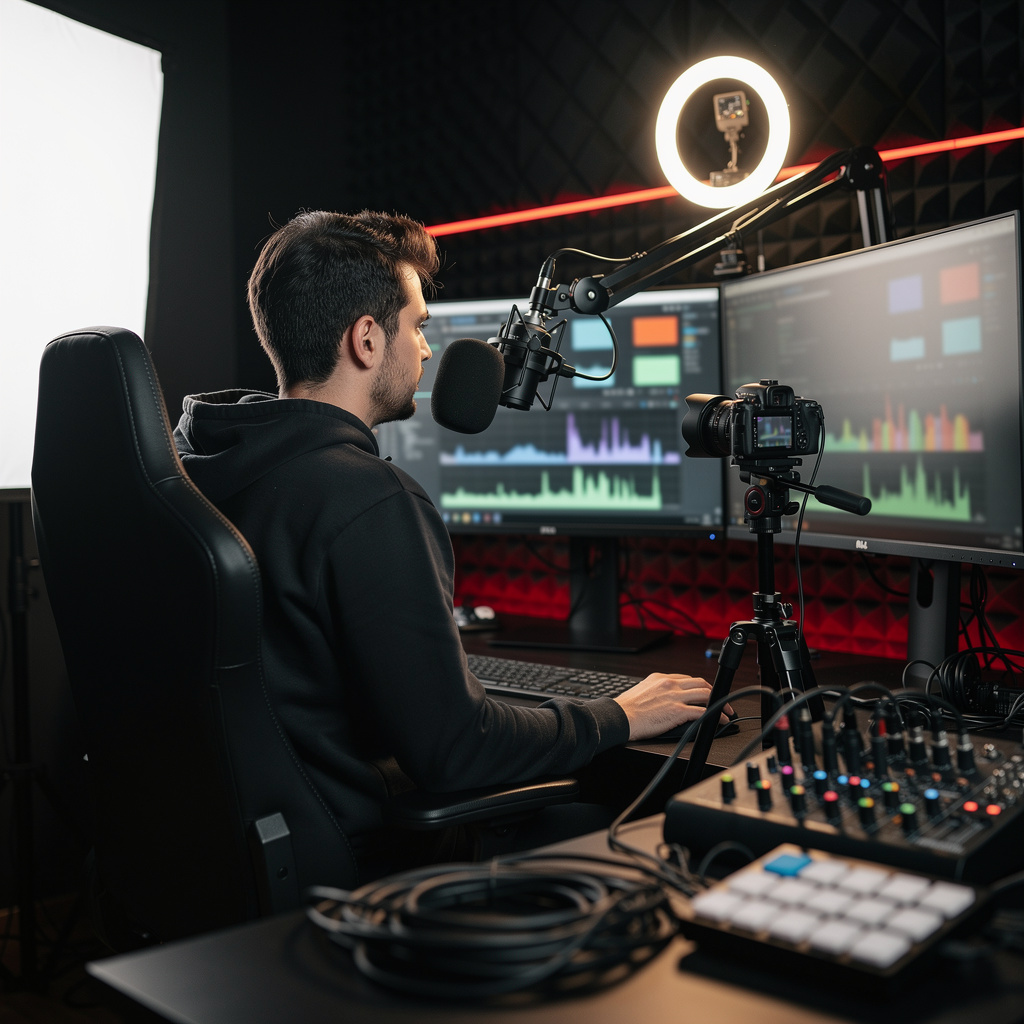
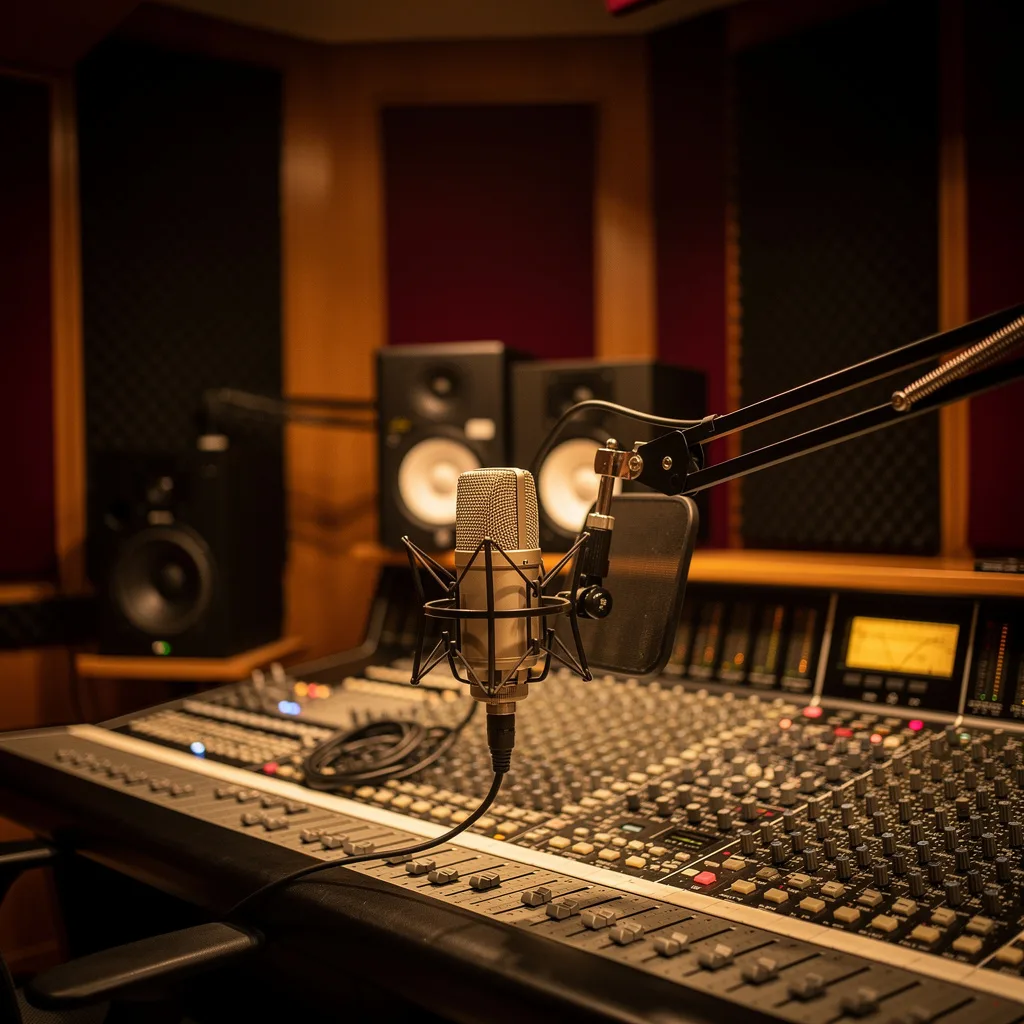
Podcast sound engineering is the discipline of capturing, shaping, and refining audio specifically for podcast production. It encompasses the physics of sound and room acoustics, the selection and placement of microphones, the use of digital audio workstations (DAWs), and the application of signal processing tools such as equalization, compression, and noise reduction. Core concepts include gain staging, level balancing, editing for clarity and flow, and mastering for consistent loudness across distribution platforms.
Today, podcasting is a mainstream medium with millions of active shows competing for listeners’ attention. High‑quality audio is no longer optional—it is a baseline expectation. Sound engineering directly impacts listener retention, professional credibility, and the overall listening experience. The field has evolved rapidly with affordable home‑studio gear, cloud‑based remote recording tools, and sophisticated yet accessible software, making it possible for independent creators to achieve broadcast‑grade results without a traditional studio.
Mastering podcast sound engineering builds a versatile skill stack that includes critical listening, technical problem‑solving, and creative audio design. These competencies are valuable not only for podcasters but also for voice‑over artists, video producers, live streamers, and anyone producing spoken‑word content. Whether you aim to launch your own show, work as a freelance audio editor, or contribute to a professional production team, the knowledge gained from this subject empowers you to control the sonic quality of your work and stand out in a crowded audio landscape.
Common Questions About Podcast Sound Engineering
Is this podcast sound engineering course suitable for complete beginners?
Will the certificate help me get a podcast sound engineer job?
How does gain staging affect podcast recording quality?
- Too low gain: Raises the noise floor when you boost the signal later, introducing hiss.
- Too high gain: Causes clipping and distortion, which cannot be fixed.
- Correct gain (-18 to -12 dBFS): Preserves headroom and keeps the signal clean for processing.
What is the difference between dynamic and condenser mics for podcasting?
Why is room acoustics important for podcast sound engineering?
What is the loudness penalty and how does it affect podcast distribution?
Do you need an expensive microphone to record a professional podcast?
What Will This Course Bring You?
- Analyze room acoustics to identify and mitigate common issues such as reverberation and background noise.
- Select appropriate microphone types and placement techniques for different podcast recording scenarios.
- Configure a digital audio workstation with proper input/output routing and session templates for efficient podcast production.
- Apply gain staging techniques to achieve optimal signal-to-noise ratio and prevent clipping during recording.
- Edit raw audio recordings by removing mistakes, breaths, and silences while maintaining natural pacing.
- Apply equalization, compression, and noise reduction to enhance vocal clarity and consistency.
- Mix multiple audio tracks by adjusting levels, panning, and adding effects to create a balanced podcast episode.
- Master final audio files to meet loudness standards and export formats suitable for podcast distribution platforms.
Curriculum
12 Units1. Understanding Sound and Acoustics
1 hour
2. Microphone Types and Selection
1 hour
3. Recording Environment and Setup
1 hour
4. Digital Audio Workstations for Podcasting
1 hour
5. Recording Techniques and Gain Staging
1 hour
6. Editing Fundamentals
1 hour
7. Audio Processing for Clarity
1 hour
8. Advanced Editing and Sound Design
1 hour
9. Mixing and Leveling
1 hour
10. Mastering for Podcast Distribution
1 hour
11. Remote Recording and Workflow
1 hour
12. Final Project and Portfolio
1 hour
Exam – Podcast Sound Engineering
20 Questions • 70% Pass • 30 min
Unlock All Units for Free
Create an account, enroll in the course, and start with the first unit right away.
Exam – Podcast Sound Engineering
20 Questions • Pass: 70% • 30 min
Course Duration
720
Total Minutes
12
Unit
1
Final Exam
~60
Min / Unit
Podcast Sound Engineering Certificate Program
Document Your Skill
Those who pass the 20-question, 30-minute exam with 70% receive the Podcast Sound Engineering Certificate.
Stand Out on Your CV
By adding your certificate to your CV, gain a professional reference in job applications and stand out from the crowd.
Career Advantage
With the verification code, employers can check your certificate instantly — a concrete way to show your growth.
CERTIFICATE FEE
At the end of the course, an online exam consisting of 20 questions with a 30-minute time limit is given. The exam appears automatically after you complete the topics. Anyone who scores at least 70 out of 100 on the certificate exam is awarded the Podcast Sound Engineering Document (certificate of attendance). You can add the certificate you earn to your CV for job applications in the many sectors listed above, and use it as a reference proving that you took this interactive course.
The Certificate of Achievement you receive with the Podcast Sound Engineering course program holds value that proves your personal and professional development in the business world. By adding it to your CV, it can serve as an important reference in your job applications. Moreover, compared with certificates from other private training institutions, Catch Wisdom certificates are offered to our participants at a much more affordable price.
The Podcast Sound Engineering course certificate is a document that proves, with a unique verification code, that you completed the course. Employers can instantly check its authenticity with this code, which helps you show your development concretely in your job applications.
For more information, we recommend visiting the Support page.
Certificate in 7 Languages
Earning success certificates from our courses is now more meaningful and global. With certificates available in Turkish, English, German, French, Spanish, Arabic, and Russian, we fully unlock the potential of students worldwide.
Why Certificate in 7 Languages?
-
01
Global Skill Development
Receiving your certificates in 7 different languages strengthens your communication skills as you engage with more people worldwide. It lets you operate more confidently and capably on the international stage.
-
02
International Job Opportunities
Employers may see your certificates in multiple languages as a sign of your ability to seize global opportunities. You can open more doors to new jobs and projects.
-
03
Cultural Richness
The chance to earn certificates in different languages helps you build closer ties with various cultures and broadens your worldview. It enriches your global perspective and deepens cultural understanding.
-
04
Ability to Participate in International Projects
Multilingual certificates give you an edge to work more effectively on international projects. They boost your chances of leadership and participation in diverse projects in the business world.
-
05
Prove Yourself on the Global Stage
Certificates in multiple languages give you the opportunity to present your skills and knowledge worldwide.
Language diversity opens worldwide opportunities. If you want to prove yourself in the international arena, join our online Podcast Sound Engineering course program and begin this journey with us.
Frequently Asked Questions (FAQ)
Is this course paid?
How do I join the course?
Can I take the course at my own pace?
How can I get my certificate?
What are the advantages of the certificate?
Boost Your Career
Take a new career step with the Podcast Sound Engineering course. Add your certificate to your CV, stand out in job applications, and open the door to new opportunities in the industry.
StartStudent Reviews
No reviews yet
Enroll in this course and be the first to leave a review about your experience with Podcast Sound Engineering.
Start