What is Portrait Photography?
Portrait Photography Training
Portrait Photography certificate program is a comprehensive, hands-on course designed for aspiring photographers, content creators, and working professionals who want to master the art of capturing compelling human subjects. From mastering camera settings and lens selection to directing natural light, flash, and studio setups, this program covers every technical and creative pillar of portrait photography. By the end, you will have a polished portfolio of diverse portraits and the confidence to shoot in any environment—whether on location, in a home studio, or on the street.
The curriculum is structured as a beginner-friendly progression that balances theory with immediate practical application. You will build five core skill areas: technical camera control, lighting mastery, composition and posing, client communication, and post-processing workflow. Each lesson—from environmental and lifestyle portraits to business and marketing strategies—is designed to move you from foundational knowledge to professional readiness. With the current demand for authentic visual storytelling across social media, branding, and editorial work, this program gives you the exact toolkit to stand out and monetize your craft now.
What is Portrait Photography?
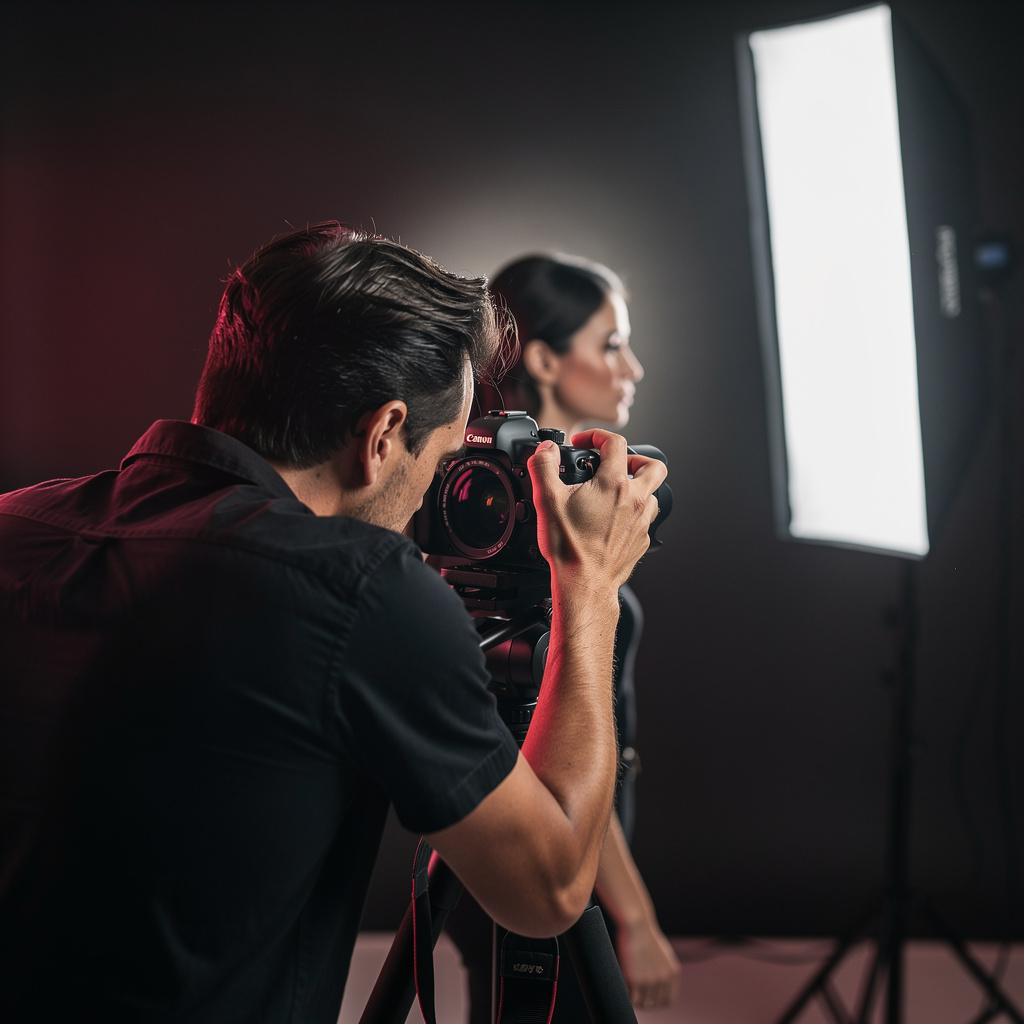
Portrait photography is the art and practice of capturing the personality, mood, and essence of a person or group through a still image. It encompasses a wide range of styles—from formal studio headshots and environmental portraits to candid lifestyle and documentary work. Core concepts include understanding light direction and quality, selecting appropriate lenses for perspective and compression, controlling depth of field, and using composition, background, and posing to convey narrative and emotion. The discipline blends technical precision with psychological insight, as the photographer must both operate the camera and connect with the subject to reveal authenticity.
Today, portrait photography is more relevant than ever, driven by the explosion of personal branding, social media profiles, corporate identity, and visual content in digital marketing. It is used across industries—from corporate headshots and editorial magazine covers to family photography, dating profiles, and influencer campaigns. Recent shifts include the rise of remote and hybrid work, which has increased demand for professional yet approachable portraits, and the growing popularity of off-camera flash and natural light techniques that create cinematic, authentic looks. The field has also expanded into virtual reality and AI-assisted editing, but the core human connection remains irreplaceable.
Mastering portrait photography builds a versatile skill stack that includes technical camera operation, lighting design, visual storytelling, and interpersonal communication. These competencies are directly transferable to other genres like event, fashion, and commercial photography, and they are invaluable for anyone working in media, marketing, or creative entrepreneurship. Beyond professional applications, the ability to create meaningful portraits enriches personal life—from documenting family milestones to collaborating with friends and communities. Whether you aim to become a full-time professional or simply elevate your creative practice, this subject equips you with a timeless craft that adapts to every technological and cultural shift.
Common Questions About Portrait Photography
How does the portrait photography certificate help in job applications?
Is this portrait photography course suitable for complete beginners?
How does aperture affect depth of field in portrait photography?
- Wide aperture (f/1.8): Emphasizes the subject, softens the background.
- Medium aperture (f/2.8-f/4): Balances sharpness, keeping eyes and part of the face in focus.
- Narrow aperture (f/8): For environmental portraits, keeps the entire scene sharp.
Why does perspective distortion change facial proportions in portraits?
What is open shade and why is it best for natural light portraits?
How does an off-camera flash simulate window light in portraits?
Is a 50mm lens really the best choice for portrait photography?
What Will This Course Bring You?
- Apply manual camera settings to achieve correct exposure and desired depth of field in portrait photography.
- Evaluate different focal lengths and apertures to select the optimal lens for flattering portrait perspectives.
- Utilize natural light direction and quality to sculpt facial features and create mood in outdoor portraits.
- Implement off-camera flash techniques to balance ambient light and add creative highlights in portrait sessions.
- Design studio lighting setups using modifiers like softboxes and reflectors to control contrast and shape.
- Analyze composition principles and background elements to enhance subject emphasis and visual storytelling.
- Apply posing guidelines to direct body language and flatter diverse body types in portrait photography.
- Build rapport and give clear direction to subjects to capture authentic expressions and natural poses.
Curriculum
12 Units1. Camera Settings for Portraits
1 hour
2. Lens Selection and Perspective
1 hour
3. Natural Light Portraiture
1 hour
4. Flash and Off-Camera Lighting
1 hour
5. Studio Lighting and Modifiers
1 hour
6. Composition and Backgrounds
1 hour
7. Posing and Body Language
1 hour
8. Directing and Communicating with Subjects
1 hour
9. Environmental and Lifestyle Portraits
1 hour
10. Post-Processing and Retouching
1 hour
11. Developing Your Style and Portfolio
1 hour
12. Business and Marketing for Portrait Photographers
1 hour
Exam – Portrait Photography
20 Questions • 70% Pass • 30 min
Unlock All Units for Free
Create an account, enroll in the course, and start with the first unit right away.
Exam – Portrait Photography
20 Questions • Pass: 70% • 30 min
Course Duration
720
Total Minutes
12
Unit
1
Final Exam
~60
Min / Unit
Portrait Photography Certificate Program
Document Your Skill
Those who pass the 20-question, 30-minute exam with 70% receive the Portrait Photography Certificate.
Stand Out on Your CV
By adding your certificate to your CV, gain a professional reference in job applications and stand out from the crowd.
Career Advantage
Catch Wisdom certificates are recognized by HR departments and increase career opportunities.
CERTIFICATE FEE
At the end of the course, an online exam consisting of 20 questions with a 30-minute time limit is given. The exam appears automatically after you complete the topics. Anyone who scores at least 70 out of 100 on the certificate exam is awarded the Portrait Photography Document (certificate of attendance). You can add the certificate you earn to your CV for job applications in the many sectors listed above, and use it as a reference proving that you took this interactive course.
The Certificate of Achievement you receive with the Portrait Photography course program holds value that proves your personal and professional development in the business world. By adding it to your CV, it can serve as an important reference in your job applications. Moreover, compared with certificates from other private training institutions, Catch Wisdom certificates are offered to our participants at a much more affordable price.
Because HR departments recognize Catch Wisdom as a reputable institution in this field, they value these certificates and may evaluate your job applications favorably. For this reason, a Portrait Photography course certificate from Catch Wisdom can make your applications more attractive and place you in an advantageous position in the business world.
For more information, we recommend visiting the Support page.
Certificate in 7 Languages
Earning success certificates from our courses is now more meaningful and global. With certificates available in Turkish, English, German, French, Spanish, Arabic, and Russian, we fully unlock the potential of students worldwide.
Why Certificate in 7 Languages?
-
01
Global Skill Development
Receiving your certificates in 7 different languages strengthens your communication skills as you engage with more people worldwide. It lets you operate more confidently and capably on the international stage.
-
02
International Job Opportunities
Employers may see your certificates in multiple languages as a sign of your ability to seize global opportunities. You can open more doors to new jobs and projects.
-
03
Cultural Richness
The chance to earn certificates in different languages helps you build closer ties with various cultures and broadens your worldview. It enriches your global perspective and deepens cultural understanding.
-
04
Ability to Participate in International Projects
Multilingual certificates give you an edge to work more effectively on international projects. They boost your chances of leadership and participation in diverse projects in the business world.
-
05
Prove Yourself on the Global Stage
Certificates in multiple languages let you showcase your skills and knowledge worldwide. You can become an internationally recognized professional.
Language diversity opens worldwide opportunities. If you want to prove yourself in the international arena, join our online Portrait Photography course program and begin this journey with us.
Frequently Asked Questions (FAQ)
Is this course paid?
How do I join the course?
Can I take the course at my own pace?
How can I get my certificate?
What are the advantages of the Certified Certificate?
Boost Your Career
Take a new career step with the Portrait Photography course. Add your certificate to your CV, stand out in job applications, and open the door to new opportunities in the industry.
StartStudent Reviews
No reviews yet
Enroll in this course and be the first to leave a review about your experience with Portrait Photography.
Start