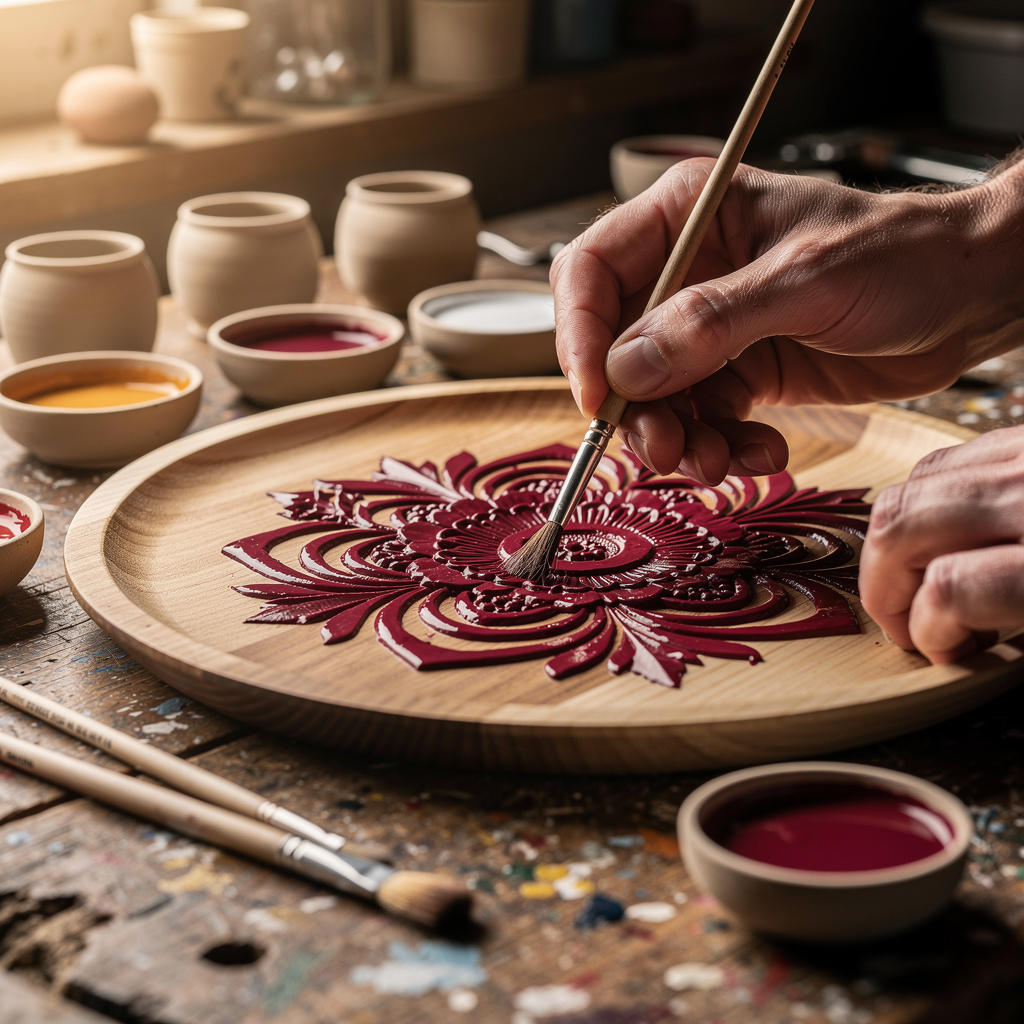
What is Printmaking Basics?
Printmaking Basics Certificate Program
Printmaking Basics certificate program is a hands-on introduction to the foundational techniques of transferring images from a matrix to paper or other surfaces, covering relief, intaglio, collagraph, monotype, screen printing, and lithography. It is designed for absolute beginners, practicing artists, illustrators, designers, and educators who want to understand how editions are conceived, registered, inked, and printed. The course teaches studio safety, tool and material selection, plate preparation, registration methods, color layering, and reduction techniques across multiple processes. The main practical outcome is a personal portfolio that combines at least two printmaking methods, supported by properly editioned, signed, and presented prints.
The program is structured as a beginner-friendly progression that moves from core definitions and studio safety into relief printing, then intaglio, then direct and textural plates, screen printing, and planographic basics. Each lesson balances concise theory—such as how a matrix becomes an impression or how registration affects color—with guided studio practice using linoleum, wood, copper, collagraph boards, monotype plates, and mesh screens. Across the twelve lessons, learners build four core skill areas: relief carving and registration, intaglio incising and wiping, stencil and planographic printing, and editioning with consistent color and presentation. This certificate is chosen now because it offers a tactile, analog counterpoint to digital image-making while remaining highly relevant to contemporary illustration, fine art editions, zine culture, and portfolio development.
What is Printmaking Basics?
Printmaking Basics is the study of how a prepared surface—called a matrix—can hold or resist ink so that pressure transfers an image onto paper, fabric, or another substrate. Its scope includes the four traditional families: relief (linocut, woodcut), intaglio (drypoint, etching, aquatint), planographic (lithography), and stencil (screen printing), along with hybrid approaches like collagraph and monotype. Core concepts include the impression, the edition, registration, ink viscosity, paper dampening, press pressure, and the difference between direct and indirect mark-making. Understanding these fundamentals allows anyone to evaluate why a print looks the way it does, from a crisp woodcut line to a velvety aquatint tone.
Printmaking matters today because it sits at the intersection of traditional craft, contemporary art, and accessible design production. In fine art, limited editions and chine-collé continue to be collected and exhibited; in illustration and graphic design, screen printing and relief prints appear on posters, packaging, apparel, and artist books. Academic programs and community studios increasingly teach printmaking as a way to develop material literacy, patience, and problem-solving, countering the instant undo of digital tools. Recent shifts include hybrid practices that combine digital stencils with hand-pulled impressions, eco-friendly inks and papers, and a growing interest in small-batch editioning as a sustainable alternative to mass production.
Mastering Printmaking Basics builds a skill stack that includes material selection, plate preparation, carving and incising control, ink modification, registration precision, color layering, and edition documentation. These skills transfer directly to professional contexts such as artist printmaker, illustrator, surface designer, art educator, studio technician, and community workshop leader. They also support personal creative practices by offering repeatable, tactile processes that reward planning and experimentation in equal measure. The ability to move between relief, intaglio, stencil, and planographic methods gives learners a versatile visual vocabulary for both independent projects and collaborative print exchanges.
What Will This Course Bring You?
- Differentiate matrices, impressions, and edition numbering by analyzing how each printmaking process creates and documents multiple original artworks.
- Apply studio safety protocols when handling inks, solvents, sharp tools, and presses to prevent injury and maintain a safe printmaking workspace.
- Select appropriate tools, inks, and papers for relief, intaglio, screen, and planographic processes by evaluating their working properties and compatibility.
- Carve a linocut or woodcut block and pull consistent relief impressions by controlling gouge cuts, ink coverage, and hand pressure.
- Implement registration and reduction printing methods to create layered relief prints with accurate color alignment and sequential carving decisions.
- Produce drypoint and line etchings by incising or etching intaglio plates, then inking and wiping them for controlled tonal lines.
- Evaluate aquatint, chine-collé, and wiping techniques to build varied surface tones and integrate collage elements into intaglio prints.
- Design and edition a personal portfolio project that combines at least two printmaking processes while applying signing and presentation standards.
Curriculum
12 Units1. What Printmaking Is: Matrices, Impressions, and Editions
1 hour
2. Studio Safety, Tools, Inks, and Papers
1 hour
3. Relief Printing: Linocut and Woodcut Fundamentals
1 hour
4. Relief Printing: Registration, Color, and Reduction Methods
1 hour
5. Intaglio Basics: Drypoint and Line Etching
1 hour
6. Intaglio Surface: Aquatint, Chine-Collé, and Wiping
1 hour
7. Collagraph and Monotype: Direct and Textural Plates
1 hour
8. Screen Printing: Stencils, Mesh, and Squeegee
1 hour
9. Lithography and Planographic Basics
1 hour
10. Color, Layering, and Registration Across Processes
1 hour
11. Editioning, Signing, and Presentation
1 hour
12. Personal Project: Combining Processes and Building a Portfolio
1 hour
Exam – Printmaking Basics
20 Questions • 70% Pass • 30 min
Unlock All Units for Free
Create an account, enroll in the course, and start with the first unit right away.
Exam – Printmaking Basics
20 Questions • Pass: 70% • 30 min
Course Duration
720
Total Minutes
12
Unit
1
Final Exam
~60
Min / Unit
Printmaking Basics Certificate Program
Document Your Skill
Those who pass the 20-question, 30-minute exam with 70% receive the Printmaking Basics Certificate.
Stand Out on Your CV
By adding your certificate to your CV, gain a professional reference in job applications and stand out from the crowd.
Career Advantage
Catch Wisdom certificates are recognized by HR departments and increase career opportunities.
CERTIFICATE FEE
At the end of the course, an online exam consisting of 20 questions with a 30-minute time limit is given. The exam appears automatically after you complete the topics. Anyone who scores at least 70 out of 100 on the certificate exam is awarded the Printmaking Basics Document (certificate of attendance). You can add the certificate you earn to your CV for job applications in the many sectors listed above, and use it as a reference proving that you took this interactive course.
The Certificate of Achievement you receive with the Printmaking Basics course program holds value that proves your personal and professional development in the business world. By adding it to your CV, it can serve as an important reference in your job applications. Moreover, compared with certificates from other private training institutions, Catch Wisdom certificates are offered to our participants at a much more affordable price.
Because HR departments recognize Catch Wisdom as a reputable institution in this field, they value these certificates and may evaluate your job applications favorably. For this reason, a Printmaking Basics course certificate from Catch Wisdom can make your applications more attractive and place you in an advantageous position in the business world.
For more information, we recommend visiting the Support page.
Certificate in 7 Languages
Earning success certificates from our courses is now more meaningful and global. With certificates available in Turkish, English, German, French, Spanish, Arabic, and Russian, we fully unlock the potential of students worldwide.
Why Certificate in 7 Languages?
-
01
Global Skill Development
Receiving your certificates in 7 different languages strengthens your communication skills as you engage with more people worldwide. It lets you operate more confidently and capably on the international stage.
-
02
International Job Opportunities
Employers may see your certificates in multiple languages as a sign of your ability to seize global opportunities. You can open more doors to new jobs and projects.
-
03
Cultural Richness
The chance to earn certificates in different languages helps you build closer ties with various cultures and broadens your worldview. It enriches your global perspective and deepens cultural understanding.
-
04
Ability to Participate in International Projects
Multilingual certificates give you an edge to work more effectively on international projects. They boost your chances of leadership and participation in diverse projects in the business world.
-
05
Prove Yourself on the Global Stage
Certificates in multiple languages let you showcase your skills and knowledge worldwide. You can become an internationally recognized professional.
Language diversity opens worldwide opportunities. If you want to prove yourself in the international arena, join our online Printmaking Basics course program and begin this journey with us.
Frequently Asked Questions (FAQ)
Is this course paid?
How do I join the course?
Can I take the course at my own pace?
How can I get my certificate?
What are the advantages of the Certified Certificate?
Boost Your Career
Take a new career step with the Printmaking Basics course. Add your certificate to your CV, stand out in job applications, and open the door to new opportunities in the industry.
StartStudent Reviews
No reviews yet
Enroll in this course and be the first to leave a review about your experience with Printmaking Basics.
Start