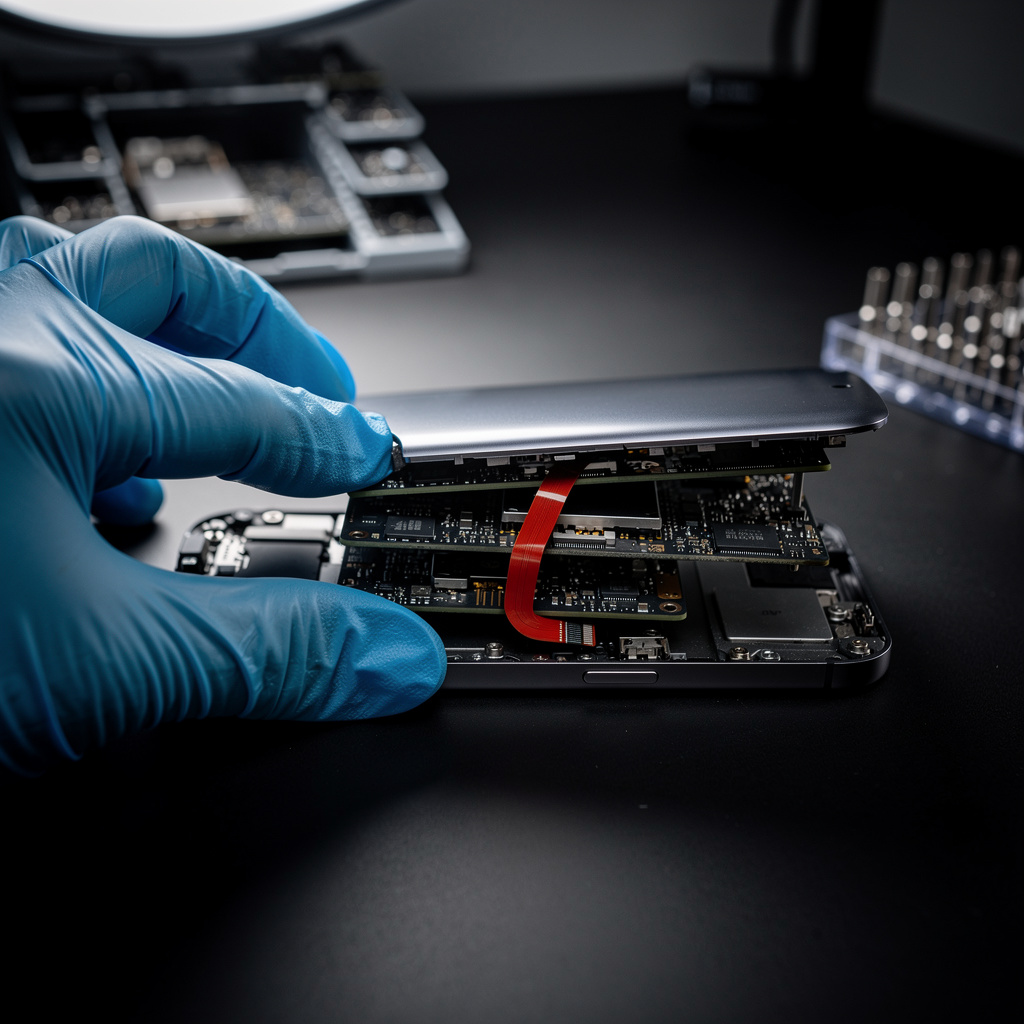
What is Remanufacturing Business Models?
Remanufacturing Business Models Training
The Remanufacturing Business Models certificate program equips professionals with the strategic and operational frameworks needed to design, launch, and scale profitable remanufacturing ventures. This course is tailored for business developers, operations managers, sustainability officers, and entrepreneurs who seek to transform used products into high-value, like-new offerings. By the end of the program, participants will be able to construct a complete remanufacturing business model, from core supply chain logistics to revenue capture, and present a viable roadmap for implementation.
The program is structured as a beginner-friendly progression that balances theoretical foundations with hands-on case studies and practical tools. It builds core skills across five key areas: value creation and capture, cost and process optimization, market and channel strategy, reverse logistics and partnerships, and sustainability integration. Each lesson—from pricing models to IP frameworks—is designed to address real-world challenges, and the final modules on scaling and future trends ensure you stay ahead of the curve. With the global push toward circular economy practices and stricter e-waste regulations, now is the critical moment to master remanufacturing as a competitive business strategy.
What is Remanufacturing Business Models?
Remanufacturing business models refer to the systematic frameworks through which organizations recover used products, restore them to like-new condition, and bring them back to market with warranties and performance standards equivalent to new goods. This subject encompasses the entire lifecycle—from reverse logistics and core acquisition, through disassembly, cleaning, repair, and reassembly, to the strategic decisions about pricing, distribution, and customer segmentation. Core concepts include value preservation, cost engineering, closed-loop supply chains, and the alignment of operational processes with market demand, all while maintaining profitability and quality assurance.
Today, remanufacturing has moved from a niche environmental practice to a mainstream economic imperative. Industries such as automotive, heavy machinery, electronics, and medical devices increasingly rely on remanufactured components to reduce costs, mitigate supply chain risks, and meet sustainability targets. Recent shifts include the rise of product-as-a-service models, digital tracking for core returns, and regulatory pressure on manufacturers to take responsibility for product end-of-life. As raw material prices fluctuate and customers demand greener alternatives, remanufacturing offers a tangible solution that reduces waste while generating significant revenue—making it a focal point for corporate strategy and academic research alike.
Mastering this subject builds a multidisciplinary skill stack that combines financial analysis, supply chain management, marketing strategy, and environmental stewardship. Professionals who understand remanufacturing business models can drive innovation in circular economy initiatives, optimize resource efficiency, and create new profit streams from existing assets. This knowledge is directly applicable in roles ranging from operations and procurement to business development and corporate sustainability, and it empowers individuals to lead transformation projects that deliver both economic and ecological value. Whether you are managing a manufacturer’s take-back program or launching an independent remanufacturing startup, this expertise positions you at the forefront of a rapidly evolving industrial landscape.
Common Questions About Remanufacturing Business Models
How does a remanufacturing business models certificate boost my resume for supply chain roles?
Can this training help me transition from traditional manufacturing to circular economy roles?
Why is the exhaustion principle the first legal question in remanufacturing?
How does core acquisition cost affect the flipped cost structure in remanufacturing?
What are the common mistakes in applying the hybrid revenue model for remanufactured products?
How does the five-stage reverse logistics framework control what enters the supply chain?
- Gatekeeping: Deciding at the point of return whether a product is accepted for remanufacturing or diverted to recycling or disposal.
- Collection: Aggregating returned products from multiple sources — dealers, customers, take-back programs — into a manageable flow.
- Sorting and inspection: Evaluating each core's condition, age, and remanufacturability before it commits to the process.
- Transportation and storage: Managing the logistics of moving cores without damage or loss of value.
- Core preparation: Cleaning, grading, and staging cores so the remanufacturing line receives a predictable input.
Is remanufacturing just a fancy term for refurbishing used parts?
What Will This Course Bring You?
- Analyze the remanufacturing industry landscape and define core terminology to identify market opportunities.
- Evaluate the drivers and financial benefits of remanufacturing to build a compelling business case.
- Design value propositions that articulate how remanufactured products deliver customer value.
- Apply pricing and revenue models to capture value from remanufactured products effectively.
- Analyze cost structures and operational processes to optimize remanufacturing efficiency and profitability.
- Develop market segmentation and channel strategies for distributing remanufactured products to target customers.
- Design reverse logistics and core supply chains to ensure consistent input for remanufacturing operations.
- Evaluate legal, regulatory, and intellectual property frameworks to mitigate risks in remanufacturing.
Curriculum
12 Units1. Foundations of Remanufacturing: Definitions and Industry Landscape
1 hour
2. The Business Case: Drivers and Benefits of Remanufacturing
1 hour
3. Creating Value: How Remanufactured Products Deliver Customer Value
1 hour
4. Capturing Value: Pricing and Revenue Models
1 hour
5. Cost Structures and Operational Processes
1 hour
6. Market Segmentation and Channel Strategies
1 hour
7. Reverse Logistics and Core Supply Chains
1 hour
8. Building Partnerships and Ecosystem Alliances
1 hour
9. Navigating Legal, Regulatory, and IP Frameworks
1 hour
10. Integrating Sustainability and Circular Economy Principles
1 hour
11. Scaling Operations and Driving Innovation
1 hour
12. Future Trends and Strategic Roadmapping
1 hour
Exam – Remanufacturing Business Models
20 Questions • 70% Pass • 30 min
Unlock All Units for Free
Create an account, enroll in the course, and start with the first unit right away.
Exam – Remanufacturing Business Models
20 Questions • Pass: 70% • 30 min
Course Duration
720
Total Minutes
12
Unit
1
Final Exam
~60
Min / Unit
Remanufacturing Business Models Certificate Program
Document Your Skill
Those who pass the 20-question, 30-minute exam with 70% receive the Remanufacturing Business Models Certificate.
Stand Out on Your CV
By adding your certificate to your CV, gain a professional reference in job applications and stand out from the crowd.
Career Advantage
Catch Wisdom certificates are recognized by HR departments and increase career opportunities.
CERTIFICATE FEE
At the end of the course, an online exam consisting of 20 questions with a 30-minute time limit is given. The exam appears automatically after you complete the topics. Anyone who scores at least 70 out of 100 on the certificate exam is awarded the Remanufacturing Business Models Document (certificate of attendance). You can add the certificate you earn to your CV for job applications in the many sectors listed above, and use it as a reference proving that you took this interactive course.
The Certificate of Achievement you receive with the Remanufacturing Business Models course program holds value that proves your personal and professional development in the business world. By adding it to your CV, it can serve as an important reference in your job applications. Moreover, compared with certificates from other private training institutions, Catch Wisdom certificates are offered to our participants at a much more affordable price.
Because HR departments recognize Catch Wisdom as a reputable institution in this field, they value these certificates and may evaluate your job applications favorably. For this reason, a Remanufacturing Business Models course certificate from Catch Wisdom can make your applications more attractive and place you in an advantageous position in the business world.
For more information, we recommend visiting the Support page.
Certificate in 7 Languages
Earning success certificates from our courses is now more meaningful and global. With certificates available in Turkish, English, German, French, Spanish, Arabic, and Russian, we fully unlock the potential of students worldwide.
Why Certificate in 7 Languages?
-
01
Global Skill Development
Receiving your certificates in 7 different languages strengthens your communication skills as you engage with more people worldwide. It lets you operate more confidently and capably on the international stage.
-
02
International Job Opportunities
Employers may see your certificates in multiple languages as a sign of your ability to seize global opportunities. You can open more doors to new jobs and projects.
-
03
Cultural Richness
The chance to earn certificates in different languages helps you build closer ties with various cultures and broadens your worldview. It enriches your global perspective and deepens cultural understanding.
-
04
Ability to Participate in International Projects
Multilingual certificates give you an edge to work more effectively on international projects. They boost your chances of leadership and participation in diverse projects in the business world.
-
05
Prove Yourself on the Global Stage
Certificates in multiple languages let you showcase your skills and knowledge worldwide. You can become an internationally recognized professional.
Language diversity opens worldwide opportunities. If you want to prove yourself in the international arena, join our online Remanufacturing Business Models course program and begin this journey with us.
Frequently Asked Questions (FAQ)
Is this course paid?
How do I join the course?
Can I take the course at my own pace?
How can I get my certificate?
What are the advantages of the Certified Certificate?
Boost Your Career
Take a new career step with the Remanufacturing Business Models course. Add your certificate to your CV, stand out in job applications, and open the door to new opportunities in the industry.
StartStudent Reviews
No reviews yet
Enroll in this course and be the first to leave a review about your experience with Remanufacturing Business Models.
Start