What is Seasonal Eating Basics?
Seasonal Eating Basics Training
The Seasonal Eating Basics certificate program is designed for home cooks, food enthusiasts, and sustainability-minded individuals who want to align their eating habits with the natural rhythms of the growing year. This course walks you through the practical skills of identifying what grows when, reading seasonal produce calendars, and planning meals around fresh, in-season ingredients. From spring greens to winter citrus and storage vegetables, you will gain confidence in choosing, preparing, and enjoying produce at its peak flavor and nutritional value. By the end, you will have a repeatable system for seasonal meal planning that reduces food waste, supports local farmers, and brings variety to your table throughout all four seasons.
The program is structured as a beginner-friendly progression that moves from foundational concepts—like why seasonal eating matters and how growing seasons work—to hands-on applications such as cooking techniques, preserving the harvest, and navigating farmers markets. It builds four core skill areas: seasonal awareness, meal planning, cooking adaptability, and food preservation. Each lesson builds on the previous one, balancing practical knowledge with actionable strategies you can apply immediately. With rising interest in local food systems and sustainable living, there has never been a better time to develop a year-round seasonal eating habit.
What is Seasonal Eating Basics?
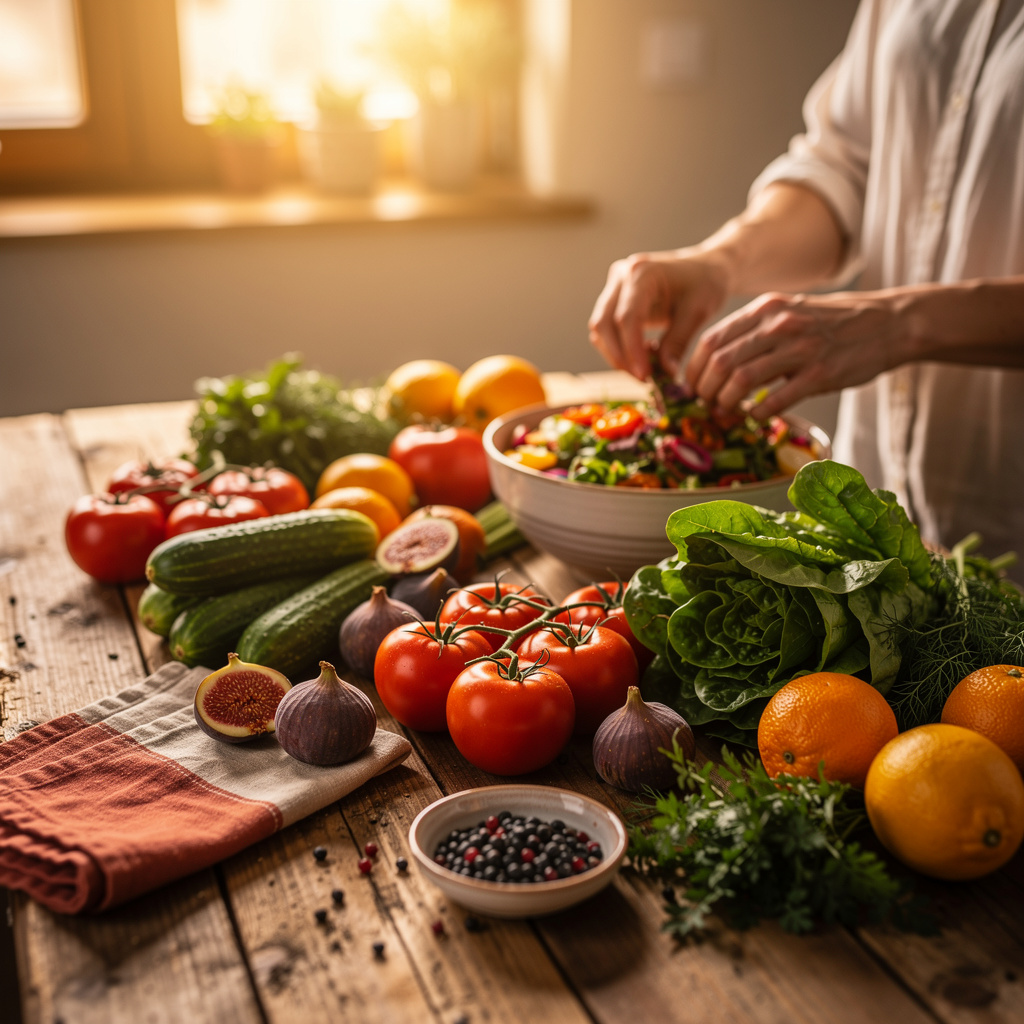
Seasonal eating is the practice of choosing foods that are naturally harvested at the current time of year in your local region. It is rooted in the understanding that produce grown in its proper season offers superior flavor, higher nutritional density, and a lower environmental footprint compared to out-of-season imports. The subject encompasses knowledge of growing cycles, regional climate patterns, and the culinary traditions that have long celebrated what each season brings to the table.
In today's globalized food system, seasonal eating has gained renewed relevance as consumers seek to reduce their carbon footprint, support local economies, and reconnect with the origins of their food. Farmers markets, community-supported agriculture (CSA) programs, and farm-to-table restaurants have all grown in popularity, making seasonal produce more accessible than ever. Recent shifts toward food sovereignty and climate-conscious consumption have further elevated the importance of understanding when and where food is grown.
Mastering seasonal eating builds a versatile skill stack that includes produce selection, menu planning, preservation techniques, and an understanding of local food systems. These competencies benefit home cooks seeking fresher meals, culinary professionals aiming to design seasonal menus, and anyone interested in sustainable food practices. The knowledge also empowers individuals to make informed choices that align with both personal health goals and broader environmental values.
Common Questions About Seasonal Eating Basics
Will the Seasonal Eating Basics certificate help my CV for food-related jobs?
Is Seasonal Eating Basics suitable for someone with no cooking experience?
How do the three pillars of seasonal eating guide food choices?
- Environmental impact: Choosing in-season produce reduces the carbon cost of off-season food.
- Nutritional value: Produce picked at its peak is more nutrient-dense.
- Flavor: In-season fruits and vegetables simply taste better.
How do I read a seasonal produce calendar for my region?
Why does frost make autumn root vegetables taste sweeter?
How do I plan meals with a seasonal produce flow instead of recipes first?
Is eating seasonally just a trend or does it actually cut carbon cost?
What Will This Course Bring You?
- Analyze the environmental and nutritional benefits of adopting a seasonal eating approach.
- Interpret regional growing seasons to predict when specific produce will be at its peak freshness.
- Apply seasonal produce calendars to select in-season fruits and vegetables for your weekly shopping list.
- Design a spring meal plan that emphasizes fresh, light ingredients and simple preparation methods.
- Create autumn dishes that showcase root vegetables and squash using roasting and braising techniques.
- Plan winter meals that rely on storage crops and fresh citrus to maintain variety and nutrition.
- Build a weekly meal plan based on seasonal produce availability to reduce food waste and cost.
- Develop a personal habit of seasonal eating by setting realistic goals and integrating farmers market visits.
Curriculum
12 Units1. Why Eat Seasonally?
1 hour
2. Understanding Growing Seasons
1 hour
3. Reading Seasonal Produce Calendars
1 hour
4. Spring Eating: Fresh and Light
1 hour
5. Summer Eating: Abundance and Simplicity
1 hour
6. Autumn Eating: Root Vegetables and Squash
1 hour
7. Winter Eating: Storage and Citrus
1 hour
8. Planning Meals Around Seasonal Produce
1 hour
9. Cooking Techniques for Seasonal Ingredients
1 hour
10. Preserving the Harvest
1 hour
11. Local Food Systems and Farmers Markets
1 hour
12. Building a Year-Round Seasonal Eating Habit
1 hour
Exam – Seasonal Eating Basics
20 Questions • 70% Pass • 30 min
Unlock All Units for Free
Create an account, enroll in the course, and start with the first unit right away.
Exam – Seasonal Eating Basics
20 Questions • Pass: 70% • 30 min
Course Duration
720
Total Minutes
12
Unit
1
Final Exam
~60
Min / Unit
Seasonal Eating Basics Certificate Program
Document Your Skill
Those who pass the 20-question, 30-minute exam with 70% receive the Seasonal Eating Basics Certificate.
Stand Out on Your CV
By adding your certificate to your CV, gain a professional reference in job applications and stand out from the crowd.
Career Advantage
Catch Wisdom certificates are recognized by HR departments and increase career opportunities.
CERTIFICATE FEE
At the end of the course, an online exam consisting of 20 questions with a 30-minute time limit is given. The exam appears automatically after you complete the topics. Anyone who scores at least 70 out of 100 on the certificate exam is awarded the Seasonal Eating Basics Document (certificate of attendance). You can add the certificate you earn to your CV for job applications in the many sectors listed above, and use it as a reference proving that you took this interactive course.
The Certificate of Achievement you receive with the Seasonal Eating Basics course program holds value that proves your personal and professional development in the business world. By adding it to your CV, it can serve as an important reference in your job applications. Moreover, compared with certificates from other private training institutions, Catch Wisdom certificates are offered to our participants at a much more affordable price.
Because HR departments recognize Catch Wisdom as a reputable institution in this field, they value these certificates and may evaluate your job applications favorably. For this reason, a Seasonal Eating Basics course certificate from Catch Wisdom can make your applications more attractive and place you in an advantageous position in the business world.
For more information, we recommend visiting the Support page.
Certificate in 7 Languages
Earning success certificates from our courses is now more meaningful and global. With certificates available in Turkish, English, German, French, Spanish, Arabic, and Russian, we fully unlock the potential of students worldwide.
Why Certificate in 7 Languages?
-
01
Global Skill Development
Receiving your certificates in 7 different languages strengthens your communication skills as you engage with more people worldwide. It lets you operate more confidently and capably on the international stage.
-
02
International Job Opportunities
Employers may see your certificates in multiple languages as a sign of your ability to seize global opportunities. You can open more doors to new jobs and projects.
-
03
Cultural Richness
The chance to earn certificates in different languages helps you build closer ties with various cultures and broadens your worldview. It enriches your global perspective and deepens cultural understanding.
-
04
Ability to Participate in International Projects
Multilingual certificates give you an edge to work more effectively on international projects. They boost your chances of leadership and participation in diverse projects in the business world.
-
05
Prove Yourself on the Global Stage
Certificates in multiple languages let you showcase your skills and knowledge worldwide. You can become an internationally recognized professional.
Language diversity opens worldwide opportunities. If you want to prove yourself in the international arena, join our online Seasonal Eating Basics course program and begin this journey with us.
Frequently Asked Questions (FAQ)
Is this course paid?
How do I join the course?
Can I take the course at my own pace?
How can I get my certificate?
What are the advantages of the Certified Certificate?
Boost Your Career
Take a new career step with the Seasonal Eating Basics course. Add your certificate to your CV, stand out in job applications, and open the door to new opportunities in the industry.
StartStudent Reviews
No reviews yet
Enroll in this course and be the first to leave a review about your experience with Seasonal Eating Basics.
Start