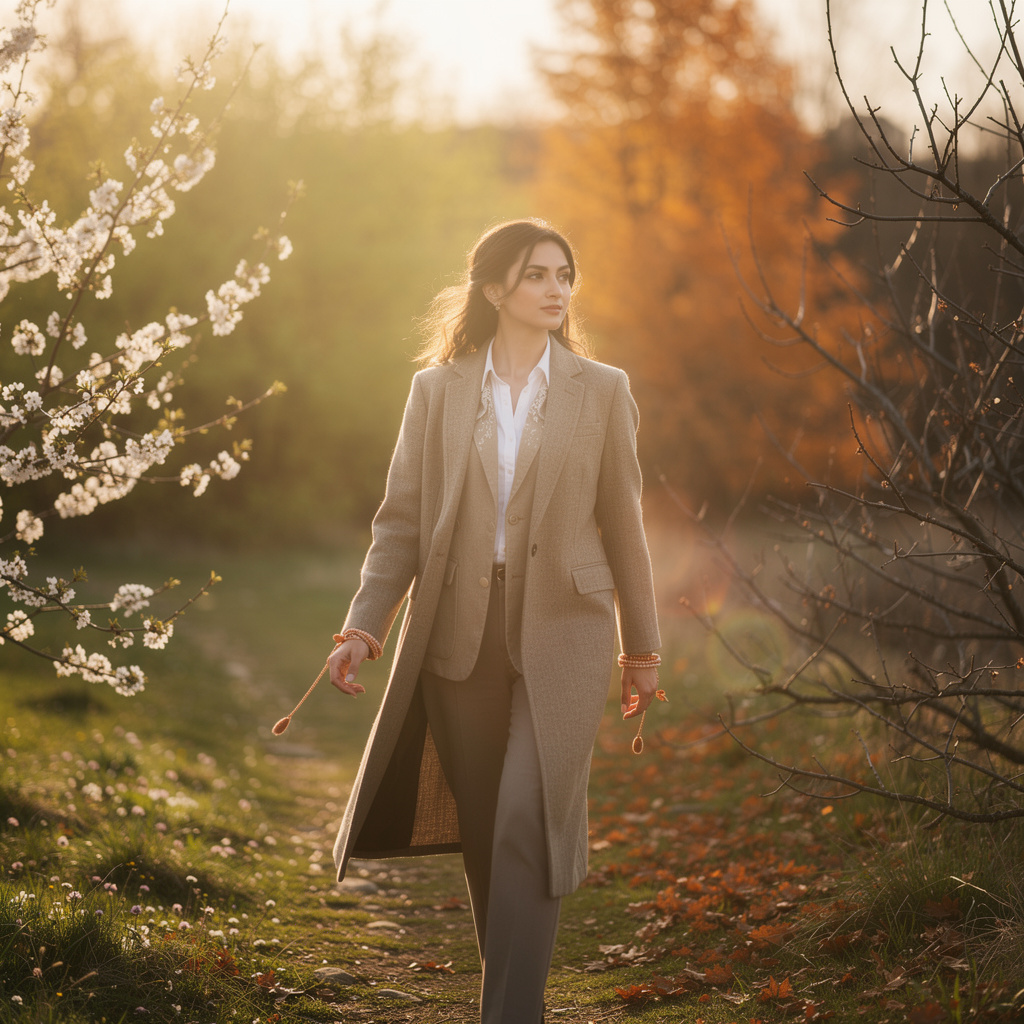
What is Seasonal Living Rhythms?
Seasonal Living Rhythms Training
The Seasonal Living Rhythms certificate program offers a comprehensive exploration of how natural seasonal cycles shape human health, energy, mood, and productivity. It is designed for wellness coaches, educators, healthcare practitioners, and anyone seeking a more intentional, nature-aligned way of living. By the end of the program, participants will have built a personalized seasonal rhythm plan that they can immediately apply to their daily routines, diet, movement, and home environment.
The program progresses from foundational science to practical application, balancing theory with hands-on exercises across five core skill areas: seasonal nutrition, adaptive movement, environmental design, emotional regulation, and productivity management. Each lesson builds sequentially, starting with the biology of light and circadian clocks before moving into domains like eating, exercise, sleep, and social rhythms. This structure makes it accessible for beginners while offering meaningful depth for experienced practitioners. Choosing this program now is timely, as emerging research in chronobiology and seasonal mental health continues to reshape how we approach wellbeing in an increasingly indoor, year-round culture.
What is Seasonal Living Rhythms?
Seasonal Living Rhythms is an interdisciplinary field that examines how the Earth's annual cycles — changes in daylight, temperature, weather patterns, and ecological activity — influence human biology, psychology, and social behavior. It draws on chronobiology, nutritional science, environmental psychology, and traditional wellness practices to understand how humans can thrive in harmony with seasonal shifts. Core concepts include circadian rhythms, photoperiodism, seasonal affective patterns, and the cultural dimensions of festivals and communal celebrations.
This subject has gained renewed relevance as modern lifestyles increasingly disconnect people from natural cues, contributing to issues like seasonal depression, disrupted sleep, and chronic stress. Researchers in public health and integrative medicine are now studying how light exposure, seasonal eating, and outdoor activity can mitigate these problems. In practice, seasonal living principles are applied across fields such as wellness coaching, sustainable agriculture, workplace design, and urban planning, where seasonal considerations shape everything from building orientation to community event calendars.
Mastering this subject builds a versatile skill stack that includes understanding biological rhythms, designing seasonal nutrition plans, adapting exercise regimens, creating restorative home environments, and managing emotional and social energy through the year. These skills benefit professionals in wellness, nutrition, mental health, education, and organizational leadership, as well as individuals seeking greater personal resilience and balance. The knowledge bridges scientific research with everyday practice, enabling learners to make informed decisions about their routines and surroundings across all four seasons.
Common Questions About Seasonal Living Rhythms
How does the Seasonal Living Rhythms certificate add value to my CV?
Is this course suitable for a beginner with no experience in seasonal living?
How does the circadian clock respond to seasonal changes in light?
- Light pathway: Light enters the eyes and signals the suprachiasmatic nucleus, which regulates the master clock.
- Melatonin: In winter, longer darkness increases melatonin production, making you feel sleepier earlier.
- Phase shift: Your sleep-wake cycle naturally shifts later in summer and earlier in winter.
What is the most common mistake people make with seasonal eating?
Why does my workout feel harder in January, and how should I adapt seasonal movement?
- Winter: Focus on gentle, restorative movement like yoga or indoor strength training.
- Spring: Gradually increase intensity as daylight grows.
- Summer: Embrace outdoor activities and higher intensity.
- Autumn: Transition to moderate, grounding exercises.
How do I start a seasonal mindfulness practice?
Is seasonal living only possible in rural areas, or can city dwellers embrace it?
What Will This Course Bring You?
- Analyze the impact of light and biological clocks on seasonal energy levels.
- Design a seasonal eating plan based on locally available produce and nutritional needs.
- Apply seasonal adjustments to exercise routines to optimize physical performance and recovery.
- Evaluate your home environment and implement changes to create a seasonal sanctuary.
- Develop a mindfulness practice that aligns with the emotional cycles of each season.
- Plan community celebrations and social activities that honor the unique rhythms of each season.
- Implement strategies to harness seasonal energy peaks for enhanced personal work productivity.
- Build a personalized seasonal rhythm that integrates eating, movement, rest, and social engagement.
Curriculum
12 Units1. Understanding Seasonal Rhythms: Foundations
1 hour
2. The Science of Seasons: Light, Weather, and Biological Clocks
1 hour
3. Seasonal Eating: Aligning Diet with Nature's Cycles
1 hour
4. Seasonal Movement and Exercise: Adapting Physical Activity
1 hour
5. Seasonal Home and Environment: Creating a Seasonal Sanctuary
1 hour
6. Seasonal Mindfulness and Mental Health: Embracing the Emotional Cycle
1 hour
7. Seasonal Social Rhythms: Celebrations, Festivals, and Community
1 hour
8. Seasonal Work and Productivity: Harnessing Energy Peaks
1 hour
9. Seasonal Rest and Sleep: Adjusting Sleep Patterns
1 hour
10. Seasonal Transitions: Navigating Change Between Seasons
1 hour
11. Creating a Personal Seasonal Rhythm: Designing Your Own Cycle
1 hour
12. Sustaining Seasonal Living: Long-term Practice and Community
1 hour
Exam – Seasonal Living Rhythms
20 Questions • 70% Pass • 30 min
Unlock All Units for Free
Create an account, enroll in the course, and start with the first unit right away.
Exam – Seasonal Living Rhythms
20 Questions • Pass: 70% • 30 min
Course Duration
720
Total Minutes
12
Unit
1
Final Exam
~60
Min / Unit
Seasonal Living Rhythms Certificate Program
Document Your Skill
Those who pass the 20-question, 30-minute exam with 70% receive the Seasonal Living Rhythms Certificate.
Stand Out on Your CV
By adding your certificate to your CV, gain a professional reference in job applications and stand out from the crowd.
Career Advantage
Catch Wisdom certificates are recognized by HR departments and increase career opportunities.
CERTIFICATE FEE
At the end of the course, an online exam consisting of 20 questions with a 30-minute time limit is given. The exam appears automatically after you complete the topics. Anyone who scores at least 70 out of 100 on the certificate exam is awarded the Seasonal Living Rhythms Document (certificate of attendance). You can add the certificate you earn to your CV for job applications in the many sectors listed above, and use it as a reference proving that you took this interactive course.
The Certificate of Achievement you receive with the Seasonal Living Rhythms course program holds value that proves your personal and professional development in the business world. By adding it to your CV, it can serve as an important reference in your job applications. Moreover, compared with certificates from other private training institutions, Catch Wisdom certificates are offered to our participants at a much more affordable price.
Because HR departments recognize Catch Wisdom as a reputable institution in this field, they value these certificates and may evaluate your job applications favorably. For this reason, a Seasonal Living Rhythms course certificate from Catch Wisdom can make your applications more attractive and place you in an advantageous position in the business world.
For more information, we recommend visiting the Support page.
Certificate in 7 Languages
Earning success certificates from our courses is now more meaningful and global. With certificates available in Turkish, English, German, French, Spanish, Arabic, and Russian, we fully unlock the potential of students worldwide.
Why Certificate in 7 Languages?
-
01
Global Skill Development
Receiving your certificates in 7 different languages strengthens your communication skills as you engage with more people worldwide. It lets you operate more confidently and capably on the international stage.
-
02
International Job Opportunities
Employers may see your certificates in multiple languages as a sign of your ability to seize global opportunities. You can open more doors to new jobs and projects.
-
03
Cultural Richness
The chance to earn certificates in different languages helps you build closer ties with various cultures and broadens your worldview. It enriches your global perspective and deepens cultural understanding.
-
04
Ability to Participate in International Projects
Multilingual certificates give you an edge to work more effectively on international projects. They boost your chances of leadership and participation in diverse projects in the business world.
-
05
Prove Yourself on the Global Stage
Certificates in multiple languages let you showcase your skills and knowledge worldwide. You can become an internationally recognized professional.
Language diversity opens worldwide opportunities. If you want to prove yourself in the international arena, join our online Seasonal Living Rhythms course program and begin this journey with us.
Frequently Asked Questions (FAQ)
Is this course paid?
How do I join the course?
Can I take the course at my own pace?
How can I get my certificate?
What are the advantages of the Certified Certificate?
Boost Your Career
Take a new career step with the Seasonal Living Rhythms course. Add your certificate to your CV, stand out in job applications, and open the door to new opportunities in the industry.
StartStudent Reviews
No reviews yet
Enroll in this course and be the first to leave a review about your experience with Seasonal Living Rhythms.
Start