What is Secondhand and Upcycling?
Secondhand and Upcycling Certificate Program
Secondhand and Upcycling certificate program equips learners with the practical skills to find, assess, restore, and creatively transform pre-owned goods into valuable items. It is designed for hobbyists, side-hustlers, sustainability advocates, and small-business owners who want to reduce waste while building hands-on competence in sourcing, repair, and design. Participants learn to evaluate quality and value, source items ethically and efficiently, clean and sanitize safely, and execute upcycling projects across textiles, furniture, home decor, and everyday objects. The main practical outcome is a portfolio-ready set of secondhand and upcycling skills that can be applied to personal projects or a small resale enterprise.
The program is structured as a beginner-friendly progression, starting with foundations and quality evaluation before moving into ethical sourcing, cleaning and basic repairs, and then into design-led upcycling. Theory is balanced with practice: learners apply design thinking and material selection to textile visible mending, furniture and home decor projects, and creative repurposing, while also learning to photograph and document their work and sell finished pieces. Across the lessons, the curriculum builds five core skill areas: sourcing and value assessment, safe cleaning and repair, upcycling design and material selection, documentation and presentation, and sustainable resale or practice-building. This program is a strong choice now because secondhand shopping and upcycling are growing responses to waste, cost-of-living pressures, and demand for unique, sustainable goods.
What is Secondhand and Upcycling?
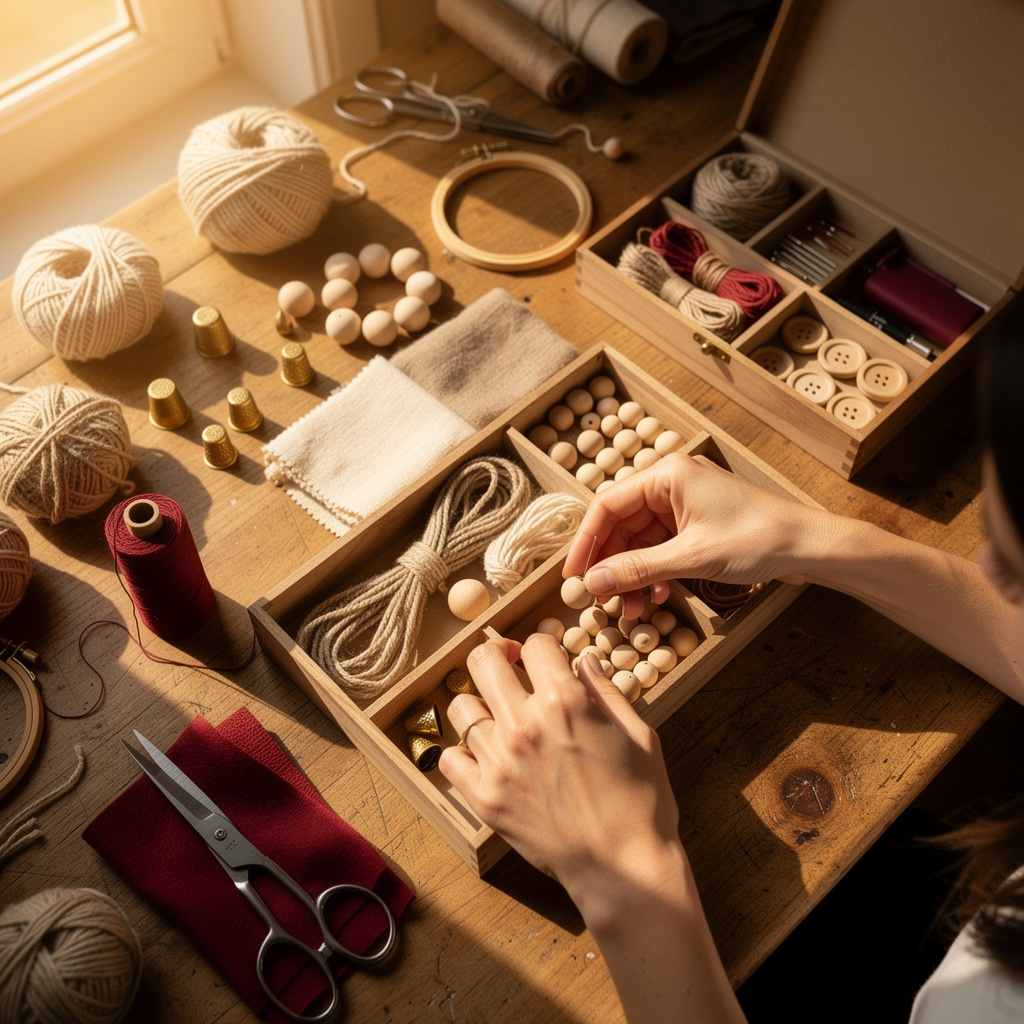
Secondhand and upcycling is the practice of acquiring pre-owned items and either extending their useful life through cleaning, repair, and resale or transforming them into new products of higher value or different function. Its scope spans sourcing and quality assessment, sanitization and repair, design thinking, material selection, textile mending, furniture and home decor transformation, and creative repurposing of everyday objects. Core concepts include value evaluation, ethical sourcing, visible mending, material compatibility, and the distinction between reuse, repair, repurposing, and upcycling. The field also involves documenting and presenting transformed items and understanding the resale and sustainability dimensions of secondhand goods.
Secondhand and upcycling matters today because it addresses pressing environmental and economic concerns: reducing landfill waste, conserving raw materials, and offering affordable alternatives to buying new. In real life, it is used by households stretching budgets, by makers and small resellers, and by industries such as fashion, furniture, and home decor that increasingly incorporate circular economy principles. Recent shifts include the mainstreaming of resale platforms, growing interest in visible mending and repair culture, and design movements that treat discarded materials as creative raw material. Academia and vocational training now recognize upcycling as a practical sustainability skill that combines craft, design, and enterprise.
Mastering secondhand and upcycling builds a skill stack that combines material literacy, quality assessment, safe restoration, design thinking, and small-scale commerce. These capabilities support personal projects such as refreshing a home, repairing clothing, or creating gifts, as well as professional contexts including resale businesses, craft studios, interior styling, community repair workshops, and sustainability-focused ventures. The subject also develops documentation and communication skills through photographing and presenting transformed items, which are valuable for marketing, portfolio building, and teaching others. Because it sits at the intersection of craft, sustainability, and entrepreneurship, secondhand and upcycling offers a versatile foundation for both everyday problem-solving and income-generating activity.
What Will This Course Bring You?
- Analyze the environmental and economic foundations of secondhand shopping and upcycling to justify sustainable choices in real-world projects.
- Evaluate secondhand items for quality, durability, and resale value using inspection criteria such as materials, construction, and wear patterns.
- Implement ethical and efficient sourcing strategies by comparing local thrift stores, online marketplaces, estate sales, and community exchanges.
- Apply cleaning, sanitizing, and basic repair techniques to prepare secondhand finds safely for reuse or upcycling.
- Design upcycled textile projects using visible mending and material-selection principles that extend garment life and reduce waste.
- Create a furniture or home decor upcycling plan that balances structural repair, aesthetic redesign, and material reuse.
- Photograph and document upcycling work with clear before-and-after images and process notes suitable for a portfolio or sales listing.
- Develop pricing, listing, and customer-communication strategies while building a sustainable practice for selling secondhand and upcycled items.
Curriculum
12 Units1. Foundations of Secondhand and Upcycling
1 hour
2. Evaluating Quality and Value in Secondhand Finds
1 hour
3. Sourcing Secondhand Items Ethically and Efficiently
1 hour
4. Cleaning, Sanitizing, and Basic Repairs
1 hour
5. Upcycling Fundamentals: Design Thinking and Material Selection
1 hour
6. Textile Upcycling and Visible Mending Techniques
1 hour
7. Furniture and Home Decor Upcycling
1 hour
8. Creative Repurposing Projects for Everyday Items
1 hour
9. Photographing and Documenting Upcycling Work
1 hour
10. Selling Secondhand and Upcycling Items
1 hour
11. Building a Sustainable Secondhand and Upcycling Practice
1 hour
12. Advanced Upcycling Projects and Portfolio Development
1 hour
Exam – Secondhand and Upcycling
20 Questions • 70% Pass • 30 min
Unlock All Units for Free
Create an account, enroll in the course, and start with the first unit right away.
Exam – Secondhand and Upcycling
20 Questions • Pass: 70% • 30 min
Course Duration
720
Total Minutes
12
Unit
1
Final Exam
~60
Min / Unit
Secondhand and Upcycling Certificate Program
Document Your Skill
Those who pass the 20-question, 30-minute exam with 70% receive the Secondhand and Upcycling Certificate.
Stand Out on Your CV
By adding your certificate to your CV, gain a professional reference in job applications and stand out from the crowd.
Career Advantage
With the verification code, employers can check your certificate instantly — a concrete way to show your growth.
CERTIFICATE FEE
At the end of the course, an online exam consisting of 20 questions with a 30-minute time limit is given. The exam appears automatically after you complete the topics. Anyone who scores at least 70 out of 100 on the certificate exam is awarded the Secondhand and Upcycling Document (certificate of attendance). You can add the certificate you earn to your CV for job applications in the many sectors listed above, and use it as a reference proving that you took this interactive course.
The Certificate of Achievement you receive with the Secondhand and Upcycling course program holds value that proves your personal and professional development in the business world. By adding it to your CV, it can serve as an important reference in your job applications. Moreover, compared with certificates from other private training institutions, Catch Wisdom certificates are offered to our participants at a much more affordable price.
The Secondhand and Upcycling course certificate is a document that proves, with a unique verification code, that you completed the course. Employers can instantly check its authenticity with this code, which helps you show your development concretely in your job applications.
For more information, we recommend visiting the Support page.
Certificate in 7 Languages
Earning success certificates from our courses is now more meaningful and global. With certificates available in Turkish, English, German, French, Spanish, Arabic, and Russian, we fully unlock the potential of students worldwide.
Why Certificate in 7 Languages?
-
01
Global Skill Development
Receiving your certificates in 7 different languages strengthens your communication skills as you engage with more people worldwide. It lets you operate more confidently and capably on the international stage.
-
02
International Job Opportunities
Employers may see your certificates in multiple languages as a sign of your ability to seize global opportunities. You can open more doors to new jobs and projects.
-
03
Cultural Richness
The chance to earn certificates in different languages helps you build closer ties with various cultures and broadens your worldview. It enriches your global perspective and deepens cultural understanding.
-
04
Ability to Participate in International Projects
Multilingual certificates give you an edge to work more effectively on international projects. They boost your chances of leadership and participation in diverse projects in the business world.
-
05
Prove Yourself on the Global Stage
Certificates in multiple languages give you the opportunity to present your skills and knowledge worldwide.
Language diversity opens worldwide opportunities. If you want to prove yourself in the international arena, join our online Secondhand and Upcycling course program and begin this journey with us.
Frequently Asked Questions (FAQ)
Is this course paid?
How do I join the course?
Can I take the course at my own pace?
How can I get my certificate?
What are the advantages of the certificate?
Boost Your Career
Take a new career step with the Secondhand and Upcycling course. Add your certificate to your CV, stand out in job applications, and open the door to new opportunities in the industry.
StartStudent Reviews
No reviews yet
Enroll in this course and be the first to leave a review about your experience with Secondhand and Upcycling.
Start