What is Soil Carbon and Carbon Markets?
Soil Carbon and Carbon Markets Training
Soil Carbon and Carbon Markets certificate program equips participants with the technical and economic expertise to navigate the intersection of soil science and carbon finance. This course is designed for agronomists, environmental consultants, land managers, policy analysts, and finance professionals seeking to understand how soil carbon sequestration can be measured, verified, and monetized. By the end, you will be able to assess the viability of soil carbon projects, interpret carbon credit methodologies, and evaluate market opportunities with confidence.
The program follows a beginner-friendly progression that starts with soil carbon fundamentals and the carbon cycle, then moves into hands-on measurement techniques and sequestration practices. It builds four core skill areas: soil science literacy, quantitative carbon accounting, project development, and market analysis—each reinforced through case studies and real-world applications. With carbon markets expanding rapidly and new regulatory frameworks emerging, this training provides the timely knowledge needed to stay ahead in a field that is reshaping agricultural and environmental economics.
What is Soil Carbon and Carbon Markets?
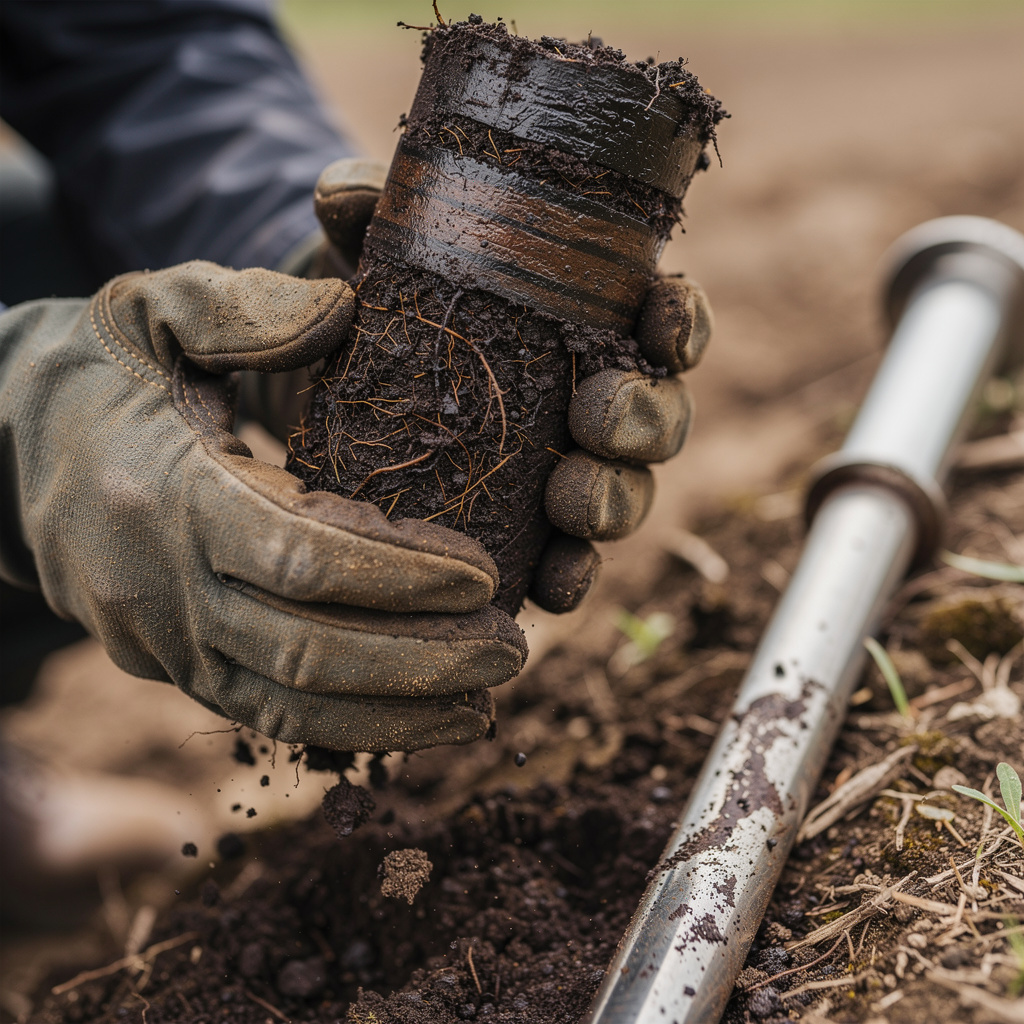
Soil carbon refers to the organic and inorganic carbon stored within soil profiles, primarily as soil organic matter derived from decomposed plant and animal residues. It is a critical component of the global carbon cycle, influencing soil fertility, water retention, and microbial activity. Carbon markets, in turn, are structured systems where carbon credits—each representing one tonne of CO₂ equivalent removed or avoided—are traded to meet emission reduction targets. The subject encompasses the scientific understanding of soil carbon dynamics, the development of sequestration practices like cover cropping and no-till farming, and the institutional frameworks that govern credit issuance and trading.
Today, soil carbon and carbon markets have gained unprecedented relevance as governments and corporations commit to net-zero emissions. Real-world applications include agricultural programs where farmers earn revenue from carbon credits generated by improved land management, and corporate supply chains that purchase these credits to offset their carbon footprint. Recent shifts include the proliferation of voluntary market standards, such as Verra and the Climate Action Reserve, and the integration of soil carbon into national climate policies like the EU’s Carbon Removal Certification Framework. This convergence of ecological necessity and economic incentive has made soil carbon a focal point for climate action.
Mastering this subject builds a versatile skill stack that combines environmental science with market acumen, including proficiency in carbon measurement protocols, data interpretation, and regulatory compliance. Professionals in agronomy, environmental consulting, investment analysis, and public policy benefit directly, as do landholders seeking to diversify income streams. On a personal level, understanding soil carbon empowers informed decisions about sustainable land stewardship and contributes to broader climate literacy, making it a valuable asset for anyone engaged in the transition to a low-carbon economy.
Common Questions About Soil Carbon and Carbon Markets
Does the Soil Carbon and Carbon Markets certificate improve my job prospects?
Can a beginner with no soil science background start this soil carbon course?
How does loss-on-ignition quantify soil organic carbon?
Why is baseline setting a critical step in soil carbon projects?
How do VM0042 methodologies calculate soil carbon credits?
What are the trade-offs between cost and sampling in soil carbon measurement?
Does no-till farming always increase soil carbon sequestration?
What Will This Course Bring You?
- Analyze the fundamental components of soil carbon and its role in soil health and climate regulation.
- Evaluate the soil carbon cycle dynamics and the impact of land management on carbon fluxes.
- Apply standardized protocols for measuring and quantifying soil carbon stocks and changes over time.
- Design a soil carbon sequestration practice plan that integrates cover cropping, reduced tillage, and rotational grazing.
- Develop a soil carbon project including baseline assessment, monitoring plan, and verification procedures.
- Compare carbon market structures and the lifecycle of a soil carbon credit from issuance to retirement.
- Evaluate the requirements of carbon market standards and registries to ensure the integrity and permanence of soil carbon credits.
- Analyze the economic incentives and policy frameworks that shape the viability of soil carbon projects.
Curriculum
12 Units1. Soil Carbon Fundamentals
1 hour
2. Soil Carbon Cycle and Dynamics
1 hour
3. Measuring and Quantifying Soil Carbon
1 hour
4. Soil Carbon Sequestration Practices
1 hour
5. Developing Soil Carbon Projects
1 hour
6. Carbon Markets Overview
1 hour
7. Carbon Credits and Methodologies
1 hour
8. Carbon Market Standards and Registries
1 hour
9. Economics of Soil Carbon
1 hour
10. Policy and Regulatory Landscape
1 hour
11. Case Studies and Real-World Applications
1 hour
12. Future Trends and Challenges
1 hour
Exam – Soil Carbon and Carbon Markets
20 Questions • 70% Pass • 30 min
Unlock All Units for Free
Create an account, enroll in the course, and start with the first unit right away.
Exam – Soil Carbon and Carbon Markets
20 Questions • Pass: 70% • 30 min
Course Duration
720
Total Minutes
12
Unit
1
Final Exam
~60
Min / Unit
Soil Carbon and Carbon Markets Certificate Program
Document Your Skill
Those who pass the 20-question, 30-minute exam with 70% receive the Soil Carbon and Carbon Markets Certificate.
Stand Out on Your CV
By adding your certificate to your CV, gain a professional reference in job applications and stand out from the crowd.
Career Advantage
Catch Wisdom certificates are recognized by HR departments and increase career opportunities.
CERTIFICATE FEE
At the end of the course, an online exam consisting of 20 questions with a 30-minute time limit is given. The exam appears automatically after you complete the topics. Anyone who scores at least 70 out of 100 on the certificate exam is awarded the Soil Carbon and Carbon Markets Document (certificate of attendance). You can add the certificate you earn to your CV for job applications in the many sectors listed above, and use it as a reference proving that you took this interactive course.
The Certificate of Achievement you receive with the Soil Carbon and Carbon Markets course program holds value that proves your personal and professional development in the business world. By adding it to your CV, it can serve as an important reference in your job applications. Moreover, compared with certificates from other private training institutions, Catch Wisdom certificates are offered to our participants at a much more affordable price.
Because HR departments recognize Catch Wisdom as a reputable institution in this field, they value these certificates and may evaluate your job applications favorably. For this reason, a Soil Carbon and Carbon Markets course certificate from Catch Wisdom can make your applications more attractive and place you in an advantageous position in the business world.
For more information, we recommend visiting the Support page.
Certificate in 7 Languages
Earning success certificates from our courses is now more meaningful and global. With certificates available in Turkish, English, German, French, Spanish, Arabic, and Russian, we fully unlock the potential of students worldwide.
Why Certificate in 7 Languages?
-
01
Global Skill Development
Receiving your certificates in 7 different languages strengthens your communication skills as you engage with more people worldwide. It lets you operate more confidently and capably on the international stage.
-
02
International Job Opportunities
Employers may see your certificates in multiple languages as a sign of your ability to seize global opportunities. You can open more doors to new jobs and projects.
-
03
Cultural Richness
The chance to earn certificates in different languages helps you build closer ties with various cultures and broadens your worldview. It enriches your global perspective and deepens cultural understanding.
-
04
Ability to Participate in International Projects
Multilingual certificates give you an edge to work more effectively on international projects. They boost your chances of leadership and participation in diverse projects in the business world.
-
05
Prove Yourself on the Global Stage
Certificates in multiple languages let you showcase your skills and knowledge worldwide. You can become an internationally recognized professional.
Language diversity opens worldwide opportunities. If you want to prove yourself in the international arena, join our online Soil Carbon and Carbon Markets course program and begin this journey with us.
Frequently Asked Questions (FAQ)
Is this course paid?
How do I join the course?
Can I take the course at my own pace?
How can I get my certificate?
What are the advantages of the Certified Certificate?
Boost Your Career
Take a new career step with the Soil Carbon and Carbon Markets course. Add your certificate to your CV, stand out in job applications, and open the door to new opportunities in the industry.
StartStudent Reviews
No reviews yet
Enroll in this course and be the first to leave a review about your experience with Soil Carbon and Carbon Markets.
Start