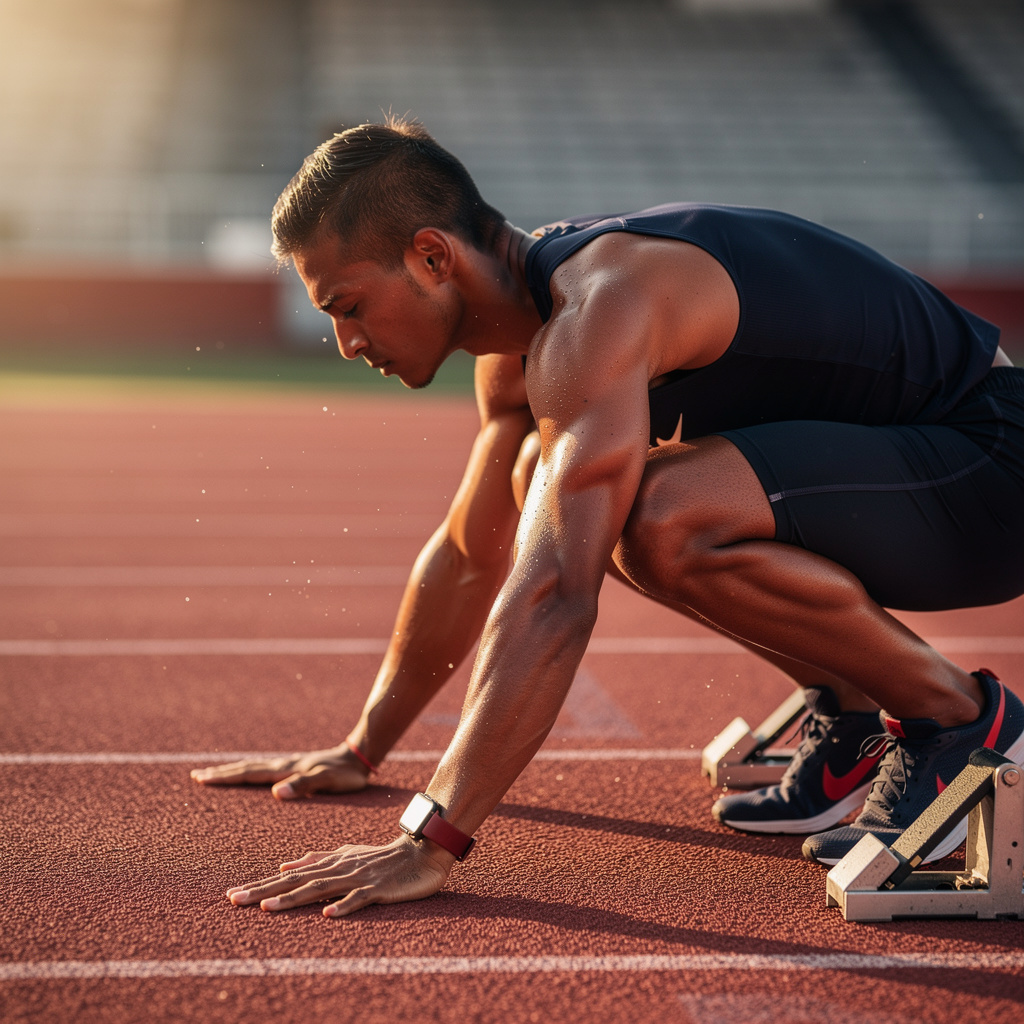
What is Sports Psychology Basics?
Sports Psychology Basics Training Program
The Sports Psychology Basics certificate program provides a structured introduction to the psychological factors that shape athletic performance, participation, and well-being. It is designed for coaches, trainers, physical educators, students, and athletes who want a credible foundation in mental performance without assuming advanced clinical expertise. Across the curriculum, learners examine foundations and professional scope, individual differences, motivation, goal setting, arousal and anxiety regulation, attention control, confidence, imagery, self-talk, routines, team cohesion, leadership communication, and ethical psychological skills training practice. The main practical outcome is the ability to recognize psychological performance issues and apply beginner-level mental skills and planning tools responsibly in sport settings.
The program is structured as a beginner-friendly progression from foundational concepts and athlete profiling to applied mental skills and team-level dynamics. Each lesson balances explanatory theory with reflective and practical activities, so learners connect concepts such as arousal regulation, focus control, self-efficacy, imagery, and pre-performance routines to real coaching or athletic contexts. It builds five core skill areas: assessment and individualization, motivation and goal planning, arousal and attention regulation, confidence and mental rehearsal, and team leadership and ethical practice. Learners choose this program now because sport and exercise settings increasingly expect coaches and support staff to understand mental performance, communication, and well-being without overstepping professional boundaries.
What is Sports Psychology Basics?
Sports psychology is the study of how psychological factors influence sport participation, performance, and well-being, and how sport environments shape athletes’ thoughts, emotions, and behavior. Its scope includes individual differences, motivation, goal setting, arousal and anxiety regulation, attention and concentration, confidence and self-efficacy, imagery, self-talk, pre-performance routines, team dynamics, leadership, communication, and ethical practice. Core concepts include the interaction between arousal and performance, attentional control under pressure, the development of confidence through mastery experiences, and the role of group cohesion in team functioning. The subject draws on psychology, sport science, coaching pedagogy, and performance analysis to explain both optimal and dysfunctional sport experiences.
Sports psychology matters today because performance environments are increasingly recognized as mental as well as physical, from youth sport and elite competition to rehabilitation and exercise adherence. It is used in coaching, athlete support, talent development, injury recovery, team management, and educational settings where communication, motivation, and stress regulation affect outcomes. Recent shifts include greater attention to athlete well-being and mental health, trauma-informed and ethically bounded practice, and the integration of psychological skills into routine training rather than crisis-only intervention. Academic and applied interest has also grown around self-regulation, group cohesion, leadership behavior, and the responsible use of psychological assessment.
Mastering this subject builds a skill stack that combines psychological literacy, observational assessment, goal and motivation planning, arousal and attention regulation, confidence-building methods, mental rehearsal, communication, and team leadership. These capabilities support coaches, trainers, physical educators, sport administrators, and athletes who need to make sense of performance behavior and respond with appropriate, evidence-informed strategies. The subject also strengthens personal capacities such as self-awareness, emotional regulation, reflective practice, and ethical judgment in high-pressure settings. Its value extends beyond competitive sport into exercise participation, rehabilitation, workplace team performance, and educational contexts where motivation, focus, and group dynamics shape outcomes.
What Will This Course Bring You?
- Analyze historical milestones and professional scope of sport psychology to distinguish ethical roles and referral boundaries for applied practice.
- Evaluate individual differences in athletes' psychological profiles to tailor basic sport psychology interventions to personality, developmental, and cultural factors.
- Apply motivation theories to design engagement strategies that address athletes' intrinsic and extrinsic motives in training and competition contexts.
- Design goal-setting and performance-planning procedures that align outcome, performance, and process goals with athletes' developmental needs.
- Implement arousal, stress, and anxiety regulation techniques to help athletes manage activation levels before and during performance.
- Evaluate attention and concentration control strategies to build focus routines that reduce distraction during sport tasks.
- Apply confidence and self-efficacy development methods, including imagery and mental rehearsal, to strengthen athletes' pre-performance preparation.
- Design a basic psychological skills training plan that integrates team cohesion, leadership communication, and ethical well-being considerations for sport participants.
Curriculum
12 Units1. Foundations, History, and Professional Scope
1 hour
2. Individual Differences and the Athlete's Psychological Profile
1 hour
3. Motivation and Engagement in Sport
1 hour
4. Goal Setting and Performance Planning
1 hour
5. Arousal, Stress, and Anxiety Regulation
1 hour
6. Attention, Concentration, and Focus Control
1 hour
7. Confidence and Self-Efficacy Development
1 hour
8. Imagery and Mental Rehearsal
1 hour
9. Self-Talk, Routines, and Pre-Performance Preparation
1 hour
10. Team Dynamics and Group Cohesion
1 hour
11. Leadership, Communication, and Coaching Psychology
1 hour
12. Psychological Skills Training, Well-Being, and Ethical Practice
1 hour
Exam – Sports Psychology Basics
20 Questions • 70% Pass • 30 min
Unlock All Units for Free
Create an account, enroll in the course, and start with the first unit right away.
Exam – Sports Psychology Basics
20 Questions • Pass: 70% • 30 min
Course Duration
720
Total Minutes
12
Unit
1
Final Exam
~60
Min / Unit
Sports Psychology Basics Certificate Program
Document Your Skill
Those who pass the 20-question, 30-minute exam with 70% receive the Sports Psychology Basics Certificate.
Stand Out on Your CV
By adding your certificate to your CV, gain a professional reference in job applications and stand out from the crowd.
Career Advantage
With the verification code, employers can check your certificate instantly — a concrete way to show your growth.
CERTIFICATE FEE
At the end of the course, an online exam consisting of 20 questions with a 30-minute time limit is given. The exam appears automatically after you complete the topics. Anyone who scores at least 70 out of 100 on the certificate exam is awarded the Sports Psychology Basics Document (certificate of attendance). You can add the certificate you earn to your CV for job applications in the many sectors listed above, and use it as a reference proving that you took this interactive course.
The Certificate of Achievement you receive with the Sports Psychology Basics course program holds value that proves your personal and professional development in the business world. By adding it to your CV, it can serve as an important reference in your job applications. Moreover, compared with certificates from other private training institutions, Catch Wisdom certificates are offered to our participants at a much more affordable price.
The Sports Psychology Basics course certificate is a document that proves, with a unique verification code, that you completed the course. Employers can instantly check its authenticity with this code, which helps you show your development concretely in your job applications.
For more information, we recommend visiting the Support page.
Certificate in 7 Languages
Earning success certificates from our courses is now more meaningful and global. With certificates available in Turkish, English, German, French, Spanish, Arabic, and Russian, we fully unlock the potential of students worldwide.
Why Certificate in 7 Languages?
-
01
Global Skill Development
Receiving your certificates in 7 different languages strengthens your communication skills as you engage with more people worldwide. It lets you operate more confidently and capably on the international stage.
-
02
International Job Opportunities
Employers may see your certificates in multiple languages as a sign of your ability to seize global opportunities. You can open more doors to new jobs and projects.
-
03
Cultural Richness
The chance to earn certificates in different languages helps you build closer ties with various cultures and broadens your worldview. It enriches your global perspective and deepens cultural understanding.
-
04
Ability to Participate in International Projects
Multilingual certificates give you an edge to work more effectively on international projects. They boost your chances of leadership and participation in diverse projects in the business world.
-
05
Prove Yourself on the Global Stage
Certificates in multiple languages give you the opportunity to present your skills and knowledge worldwide.
Language diversity opens worldwide opportunities. If you want to prove yourself in the international arena, join our online Sports Psychology Basics course program and begin this journey with us.
Frequently Asked Questions (FAQ)
Is this course paid?
How do I join the course?
Can I take the course at my own pace?
How can I get my certificate?
What are the advantages of the certificate?
Boost Your Career
Take a new career step with the Sports Psychology Basics course. Add your certificate to your CV, stand out in job applications, and open the door to new opportunities in the industry.
StartStudent Reviews
No reviews yet
Enroll in this course and be the first to leave a review about your experience with Sports Psychology Basics.
Start