What is Travel Photography?
Travel Photography Training
The Travel Photography certificate program is a comprehensive, hands-on journey designed for aspiring photographers, avid travelers, and content creators who want to transform fleeting moments into compelling visual narratives. This course takes you from the absolute basics of camera operation—aperture, shutter speed, ISO, and focus—through the practical realities of packing the right gear for any destination, ensuring you never miss a shot due to unpreparedness. By the end, you will have a polished portfolio of travel images and a repeatable workflow for capturing, editing, and sharing your adventures with confidence and artistic intent.
The program is structured as a beginner-friendly progression that balances technical theory with immediate, real-world practice. You will build four core skill areas: technical mastery (camera fundamentals and post-processing), compositional artistry (framing, natural light, and visual storytelling), subject-specific expertise (people, landscapes, urban scenes, food, and details), and professional management (backing up, organizing, and presenting your work). With lessons ranging from photographing bustling markets to crafting a cohesive photo essay, this course is uniquely positioned to meet the growing demand for authentic, high-quality travel imagery in today’s digital landscape—whether for social media, editorial work, or personal fulfillment.
What is Travel Photography?
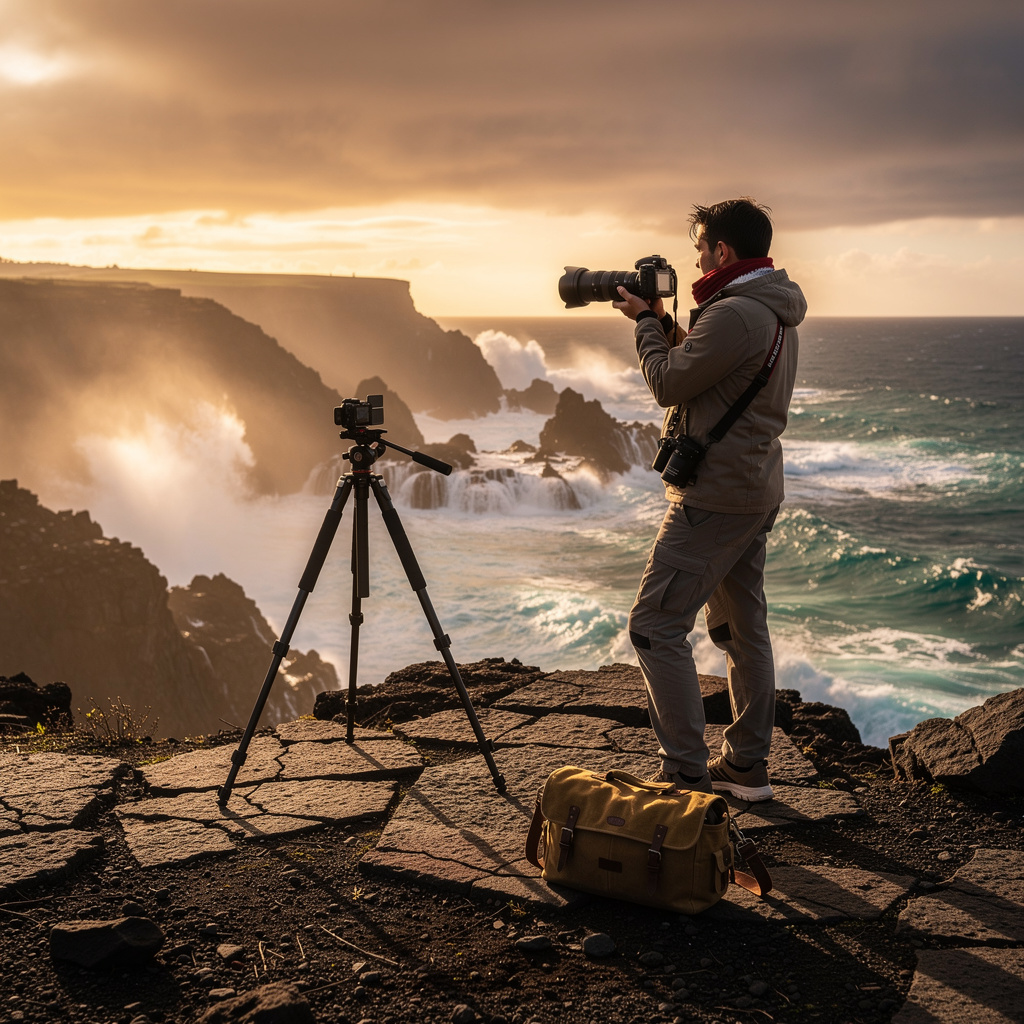
Travel photography is the art and practice of documenting places, people, cultures, and experiences through a camera lens, with the goal of conveying a sense of place and emotion. It encompasses a wide range of subjects—from sweeping landscapes and intricate architectural details to candid portraits and local cuisine—and relies on core concepts like composition, light, perspective, and narrative. At its heart, it is about observation and interpretation: transforming a fleeting scene into a lasting visual story that resonates with viewers who may never visit the location themselves.
In today’s hyper-connected world, travel photography has never been more relevant. It fuels the tourism industry, powers social media platforms, and shapes how we perceive distant cultures and environments. With the rise of visual-first platforms like Instagram and Pinterest, and the increasing demand for authentic content in editorial, advertising, and documentary work, skilled travel photographers are sought after by brands, magazines, and travel companies. Recent shifts toward sustainable and responsible travel have also elevated the importance of ethical representation, making the ability to capture culture respectfully and accurately a valuable professional skill.
Mastering travel photography builds a versatile skill stack that extends beyond the camera. You develop keen observational abilities, technical proficiency in exposure and post-processing, and a deep understanding of visual storytelling—all of which are transferable to other genres like documentary, portrait, or commercial photography. For professionals, this expertise opens doors in travel journalism, tour operations, and content marketing; for personal travelers, it enriches every journey, allowing you to create meaningful keepsakes and share your unique perspective with the world. The subject itself is a lifelong learning path that rewards curiosity, patience, and a willingness to see the extraordinary in the ordinary.
Common Questions About Travel Photography
How does a travel photography course certificate boost my job applications?
Is this travel photography course suitable for beginners with no camera experience?
How does aperture affect depth of field in travel portrait photography?
Why is the golden hour so critical for travel landscape photography?
What are the best practices for asking permission before photographing people?
- Make eye contact and smile to establish a friendly connection.
- Use a simple gesture or phrase like pointing to your camera and raising your eyebrows.
- Show the photo after taking it to build trust and respect.
- Accept a refusal gracefully and never pressure the subject.
How does the rule of thirds improve composition in urban architecture shots?
Does travel photography really require an expensive camera to get good results?
What Will This Course Bring You?
- Apply camera fundamentals such as aperture, shutter speed, and ISO to select appropriate settings for diverse travel scenarios.
- Evaluate and pack a versatile travel photography kit based on destination, climate, and shooting needs, prioritizing weight and versatility.
- Design compelling compositions using framing, rule of thirds, and leading lines to capture travel scenes with visual impact.
- Analyze natural light conditions at different times of day to adjust exposure and white balance for authentic travel images.
- Implement ethical and respectful techniques when photographing people and cultures, including obtaining consent and showing cultural sensitivity.
- Build a cohesive visual story through a photo essay that documents a travel experience, sequencing images to convey a narrative.
- Execute a post-processing workflow to enhance and organize travel photos, including color correction, cropping, and file management.
- Construct a professional travel photography portfolio that showcases your best work, curated for a specific audience or purpose.
Curriculum
12 Units1. Camera Fundamentals for Travel
1 hour
2. Choosing and Packing Travel Gear
30 minutes
3. Composition and Framing
1 hour
4. Mastering Natural Light
1 hour
5. Photographing People and Culture
1 hour
6. Landscape and Nature Photography
1 hour
7. Urban and Architectural Photography
1 hour
8. Food and Detail Photography
1 hour
9. Visual Storytelling and Photo Essays
1 hour
10. Post-Processing Workflow
1 hour
11. Managing, Backing Up, and Sharing Your Photos
1 hour
12. Building a Travel Photography Portfolio
1 hour
Exam – Travel Photography
20 Questions • 70% Pass • 30 min
Unlock All Units for Free
Create an account, enroll in the course, and start with the first unit right away.
Exam – Travel Photography
20 Questions • Pass: 70% • 30 min
Course Duration
690
Total Minutes
12
Unit
1
Final Exam
~58
Min / Unit
Travel Photography Certificate Program
Document Your Skill
Those who pass the 20-question, 30-minute exam with 70% receive the Travel Photography Certificate.
Stand Out on Your CV
By adding your certificate to your CV, gain a professional reference in job applications and stand out from the crowd.
Career Advantage
With the verification code, employers can check your certificate instantly — a concrete way to show your growth.
CERTIFICATE FEE
At the end of the course, an online exam consisting of 20 questions with a 30-minute time limit is given. The exam appears automatically after you complete the topics. Anyone who scores at least 70 out of 100 on the certificate exam is awarded the Travel Photography Document (certificate of attendance). You can add the certificate you earn to your CV for job applications in the many sectors listed above, and use it as a reference proving that you took this interactive course.
The Certificate of Achievement you receive with the Travel Photography course program holds value that proves your personal and professional development in the business world. By adding it to your CV, it can serve as an important reference in your job applications. Moreover, compared with certificates from other private training institutions, Catch Wisdom certificates are offered to our participants at a much more affordable price.
The Travel Photography course certificate is a document that proves, with a unique verification code, that you completed the course. Employers can instantly check its authenticity with this code, which helps you show your development concretely in your job applications.
For more information, we recommend visiting the Support page.
Certificate in 7 Languages
Earning success certificates from our courses is now more meaningful and global. With certificates available in Turkish, English, German, French, Spanish, Arabic, and Russian, we fully unlock the potential of students worldwide.
Why Certificate in 7 Languages?
-
01
Global Skill Development
Receiving your certificates in 7 different languages strengthens your communication skills as you engage with more people worldwide. It lets you operate more confidently and capably on the international stage.
-
02
International Job Opportunities
Employers may see your certificates in multiple languages as a sign of your ability to seize global opportunities. You can open more doors to new jobs and projects.
-
03
Cultural Richness
The chance to earn certificates in different languages helps you build closer ties with various cultures and broadens your worldview. It enriches your global perspective and deepens cultural understanding.
-
04
Ability to Participate in International Projects
Multilingual certificates give you an edge to work more effectively on international projects. They boost your chances of leadership and participation in diverse projects in the business world.
-
05
Prove Yourself on the Global Stage
Certificates in multiple languages give you the opportunity to present your skills and knowledge worldwide.
Language diversity opens worldwide opportunities. If you want to prove yourself in the international arena, join our online Travel Photography course program and begin this journey with us.
Frequently Asked Questions (FAQ)
Is this course paid?
How do I join the course?
Can I take the course at my own pace?
How can I get my certificate?
What are the advantages of the certificate?
Boost Your Career
Take a new career step with the Travel Photography course. Add your certificate to your CV, stand out in job applications, and open the door to new opportunities in the industry.
StartStudent Reviews
No reviews yet
Enroll in this course and be the first to leave a review about your experience with Travel Photography.
Start