What is Vegetable Farming?
Vegetable Farming Training
This Vegetable Farming certificate program delivers a complete, field-ready education in planning, growing, and managing vegetable production systems. It is designed for aspiring market growers, homesteaders, agripreneurs, and career changers who want to transform a patch of land into a productive and profitable enterprise. Through hands-on methodology, you will master the entire crop cycle—from soil preparation and seed propagation to harvest and post-harvest handling—and gain the confidence to launch or scale a real vegetable operation.
The program follows a carefully scaffolded, beginner-friendly progression that balances agronomic science with practical business skills. Early modules on site assessment, soil health, and planting strategies build a strong foundation, while later lessons in irrigation, integrated pest management, and nutrient management deepen your technical expertise. The curriculum then bridges into harvesting, marketing, and sustainable practices, equipping you with four core competencies: crop production mastery, resource-efficient farm management, market-ready business planning, and ecological stewardship. This structure makes the training especially valuable now, as demand for locally grown, sustainably produced vegetables continues to rise and new growers need both production know-how and entrepreneurial savvy to succeed.
What is Vegetable Farming?
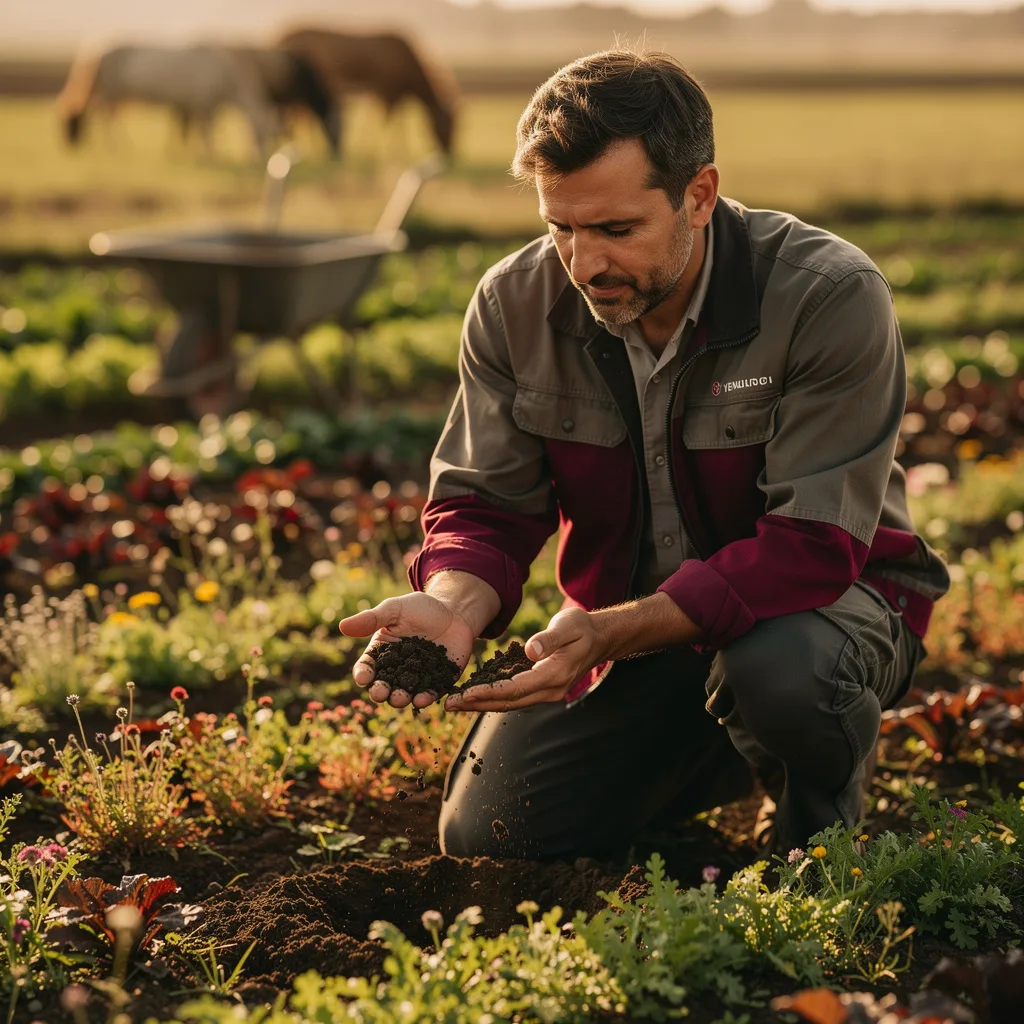
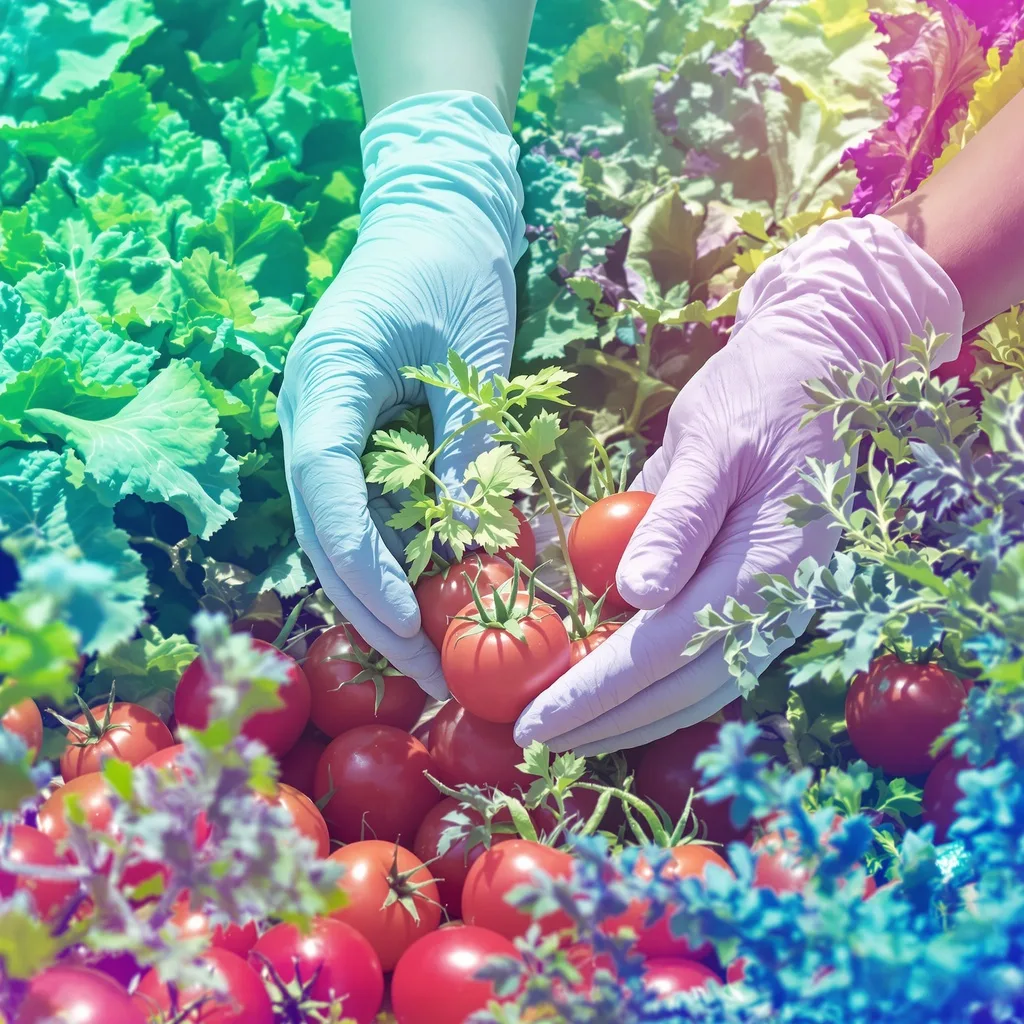
Vegetable farming is the science and practice of cultivating herbaceous plants for their edible portions—roots, stems, leaves, flowers, fruits, and seeds—on a scale that ranges from home gardens to large commercial operations. It encompasses site selection, soil management, crop rotation, propagation, irrigation, nutrient planning, and integrated pest and disease control. At its core, vegetable farming combines plant physiology, soil biology, and climate awareness to produce consistent yields of high-quality, nutritious food while maintaining or improving the land’s long-term health.
Today, vegetable farming is more relevant than ever. Global supply chain disruptions, rising interest in food sovereignty, and the growth of farmers’ markets and community-supported agriculture have placed fresh, local produce at the center of resilient food systems. The field is rapidly adopting precision agriculture tools, water-saving technologies, and regenerative practices that reduce synthetic inputs and rebuild soil carbon. Whether practiced on urban micro-farms, peri-urban market gardens, or broadacre organic operations, vegetable farming is a critical link between environmental stewardship and public health.
Mastering vegetable farming builds a versatile skill stack that spans agronomy, resource management, quality control, and direct marketing. This knowledge empowers individuals to run profitable market gardens, manage diversified small farms, lead community food projects, or integrate vegetable enterprises into larger agricultural businesses. Beyond professional pathways, it equips anyone with the ability to grow their own food sustainably, fostering self-reliance and a deeper connection to the ecological processes that sustain life.
Common Questions About Vegetable Farming
Is this vegetable farming course suitable for complete beginners?
How long does the vegetable farming course take to complete?
How does drip irrigation improve water efficiency in vegetable farming?
What is the difference between direct seeding and transplanting?
Why is soil health the most important crop in vegetable farming?
How does the IPM cycle help balance pests in vegetable systems?
- Monitoring: Regularly scout fields to detect pest populations and their levels.
- Identification: Accurately identify the pest species and understand its life cycle.
- Prevention: Use cultural practices like crop rotation and habitat management to avoid outbreaks before they start.
- Intervention: Only when pest thresholds are exceeded, apply targeted, least-toxic methods such as biological controls or selective pesticides.
Is organic vegetable farming just about avoiding chemicals?
What Will This Course Bring You?
- Conduct a thorough site assessment to evaluate soil type, topography, microclimate, and water availability, and design a farm layout that optimizes crop placement and resource use.
- Apply soil preparation and amendment techniques, including tillage, cover cropping, and organic matter incorporation, to build and maintain healthy, productive soil.
- Select appropriate vegetable varieties and propagation methods based on climate, market demand, and disease resistance, and execute seed starting and transplant production.
- Design and manage an efficient irrigation system by calculating crop water requirements and scheduling to conserve water while maximizing yield and quality.
- Implement an integrated pest and disease management plan that combines monitoring, biological controls, cultural practices, and targeted pesticide applications.
- Apply optimal harvesting techniques and post-harvest handling procedures, including cooling, storage, and packaging, to maintain vegetable freshness and reduce losses.
- Develop a comprehensive marketing and business plan for a vegetable farm, analyzing target markets, pricing strategies, and distribution channels to ensure profitability.
Curriculum
12 Units1. Foundations of Vegetable Production
1 h
2. Site Assessment and Farm Layout
1 h
3. Soil Health and Preparation Techniques
1 h
4. Seed Selection and Propagation Methods
1 h
5. Planting Strategies and Crop Establishment
1 h
6. Irrigation and Water Management
1 h
7. Nutrient Management and Fertilization
1 h
8. Integrated Pest and Disease Management
1 h
9. Weed Control in Vegetable Systems
1 h
10. Harvesting and Post-Harvest Handling
1 h
11. Marketing and Business Planning for Vegetable Farms
1 h
12. Sustainable Practices and Future Innovations
1 h
Exam – Vegetable Farming
20 Questions • 70% Pass • 30 min
Unlock All Units for Free
Create an account, enroll in the course, and start with the first unit right away.
Exam – Vegetable Farming
20 Questions • Pass: 70% • 30 min
Course Duration
720
Total Minutes
12
Unit
1
Final Exam
~60
Min / Unit
Vegetable Farming Certificate Program
Document Your Skill
Those who pass the 20-question, 30-minute exam with 70% receive the Vegetable Farming Certificate.
Stand Out on Your CV
By adding your certificate to your CV, gain a professional reference in job applications and stand out from the crowd.
Career Advantage
Catch Wisdom certificates are recognized by HR departments and increase career opportunities.
CERTIFICATE FEE
At the end of the course, an online exam consisting of 20 questions with a 30-minute time limit is given. The exam appears automatically after you complete the topics. Anyone who scores at least 70 out of 100 on the certificate exam is awarded the Vegetable Farming Document (certificate of attendance). You can add the certificate you earn to your CV for job applications in the many sectors listed above, and use it as a reference proving that you took this interactive course.
The Certificate of Achievement you receive with the Vegetable Farming course program holds value that proves your personal and professional development in the business world. By adding it to your CV, it can serve as an important reference in your job applications. Moreover, compared with certificates from other private training institutions, Catch Wisdom certificates are offered to our participants at a much more affordable price.
Because HR departments recognize Catch Wisdom as a reputable institution in this field, they value these certificates and may evaluate your job applications favorably. For this reason, a Vegetable Farming course certificate from Catch Wisdom can make your applications more attractive and place you in an advantageous position in the business world.
For more information, we recommend visiting the Support page.
Certificate in 7 Languages
Earning success certificates from our courses is now more meaningful and global. With certificates available in Turkish, English, German, French, Spanish, Arabic, and Russian, we fully unlock the potential of students worldwide.
Why Certificate in 7 Languages?
-
01
Global Skill Development
Receiving your certificates in 7 different languages strengthens your communication skills as you engage with more people worldwide. It lets you operate more confidently and capably on the international stage.
-
02
International Job Opportunities
Employers may see your certificates in multiple languages as a sign of your ability to seize global opportunities. You can open more doors to new jobs and projects.
-
03
Cultural Richness
The chance to earn certificates in different languages helps you build closer ties with various cultures and broadens your worldview. It enriches your global perspective and deepens cultural understanding.
-
04
Ability to Participate in International Projects
Multilingual certificates give you an edge to work more effectively on international projects. They boost your chances of leadership and participation in diverse projects in the business world.
-
05
Prove Yourself on the Global Stage
Certificates in multiple languages let you showcase your skills and knowledge worldwide. You can become an internationally recognized professional.
Language diversity opens worldwide opportunities. If you want to prove yourself in the international arena, join our online Vegetable Farming course program and begin this journey with us.
Frequently Asked Questions (FAQ)
Is this course paid?
How do I join the course?
Can I take the course at my own pace?
How can I get my certificate?
What are the advantages of the Certified Certificate?
Boost Your Career
Take a new career step with the Vegetable Farming course. Add your certificate to your CV, stand out in job applications, and open the door to new opportunities in the industry.
StartStudent Reviews
No reviews yet
Enroll in this course and be the first to leave a review about your experience with Vegetable Farming.
Start