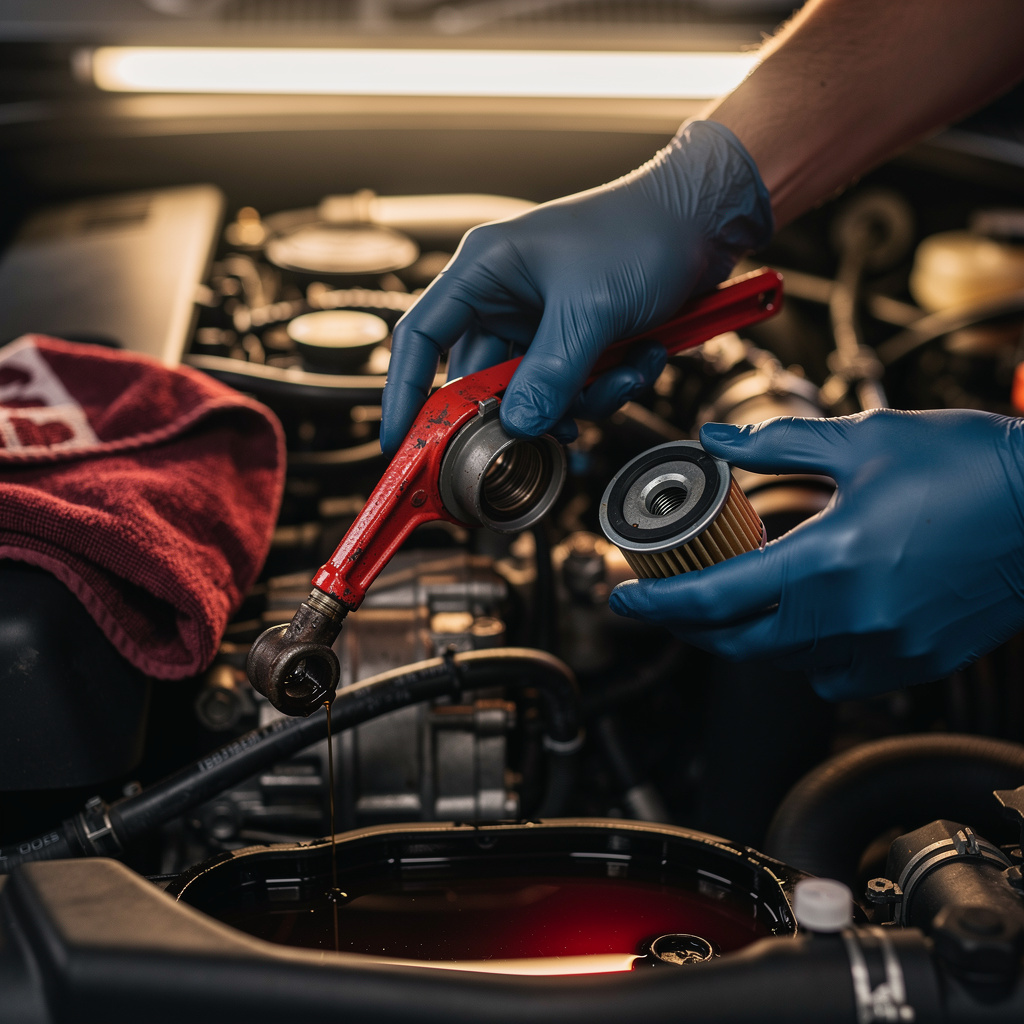
What is Basic Car Maintenance?
Basic Car Maintenance Training
The Basic Car Maintenance certificate program is designed for everyday drivers, new car owners, and anyone who wants to take control of their vehicle’s upkeep without relying solely on a mechanic. This course teaches you how to safely perform essential tasks such as checking fluids, changing a tire, jump-starting a battery, and inspecting belts and hoses—skills that save time, money, and prevent roadside emergencies. By the end, you will have the confidence to handle routine maintenance and spot early warning signs of mechanical trouble.
The program is structured as a step-by-step, beginner-friendly progression that balances clear explanations with hands-on demonstrations. It builds four core skill areas: under-hood familiarity, tire and brake care, electrical and lighting basics, and seasonal preparedness. Each lesson moves from safety fundamentals to practical tasks like oil changes and filter replacements, ensuring you learn in a logical, low-risk order. With rising repair costs and longer vehicle ownership periods, this training gives you the independence to maintain your car properly and extend its lifespan—right now, when it matters most.
What is Basic Car Maintenance?
Basic car maintenance refers to the routine inspections, adjustments, and replacements that keep a vehicle running safely and efficiently. It covers everything from checking fluid levels (engine oil, coolant, brake fluid, windshield washer) to monitoring tire pressure and tread depth, inspecting belts and hoses for wear, and ensuring lights and electrical components function correctly. Core concepts include understanding the major systems under the hood—engine, cooling, braking, and electrical—and knowing when each component requires attention based on mileage or seasonal conditions.
Today, basic car maintenance is more relevant than ever as modern vehicles are built to last longer but still rely on regular owner care to avoid costly breakdowns. With the rise of DIY culture and online tutorials, drivers increasingly take on tasks that were once left to professionals, yet many lack structured knowledge of safety protocols and proper procedures. Real-life applications range from daily commuting and road trips to emergency preparedness, while the automotive industry itself emphasizes preventive maintenance as a key factor in vehicle reliability and resale value.
Mastering basic car maintenance builds a practical skill stack that includes mechanical awareness, diagnostic observation, and hands-on problem-solving. These competencies benefit personal vehicle ownership by reducing unexpected repair bills and increasing safety, but they also open doors to entry-level roles in auto shops, fleet management, or even as a foundation for advanced automotive training. Whether you are a student, a weekend driver, or a professional looking to broaden your technical abilities, this subject provides the confidence to interact with your car as an informed owner rather than a passive passenger.
Common Questions About Basic Car Maintenance
Is Basic Car Maintenance for complete beginners with no experience?
How long does the Basic Car Maintenance course take to complete?
How do I read the dipstick correctly for oil level?
What is the correct tire pressure for my car?
What are the signs of worn brake pads?
- New pads: thick friction material, quiet operation
- Moderate wear: material thinning, occasional squeal
- Worn pads: metal indicator contacts rotor, causing a high-pitched squeal
- Critical wear: metal-on-metal grinding, rotor damage risk
How do I clean battery terminals safely?
Is it true that you should warm up your car before driving?
What Will This Course Bring You?
- Apply safety protocols by securing the vehicle, using jack stands, and wearing protective gear before performing any maintenance task.
- Identify and locate key engine components, including the battery, alternator, belts, hoses, and fluid reservoirs under the hood.
- Evaluate and top off engine oil, coolant, brake fluid, and windshield washer fluid to manufacturer-recommended levels.
- Inspect tire pressure and tread depth using a gauge and tread wear indicators, and demonstrate proper spare tire replacement.
- Perform a battery load test and safely jump-start a vehicle by connecting cables in the correct sequence.
- Examine belts and hoses for cracks, fraying, or leaks, and determine when replacement is necessary.
- Check and replace exterior bulbs for headlights, taillights, and turn signals using the correct bulb type and procedure.
- Assess brake pad thickness and fluid level, and identify warning signs of brake wear or system failure.
Curriculum
12 Units1. Safety First: Preparing to Work on Your Car
1 hour
2. Under the Hood: Identifying Key Components
1 hour
3. Checking and Topping Off Fluids
1 hour
4. Tire Care: Pressure, Tread, and Spare
1 hour
5. Battery Maintenance and Jump-Starting
1 hour
6. Belts, Hoses, and Visual Inspections
1 hour
7. Lighting and Electrical Basics
1 hour
8. Brake Inspection and Fluid Check
1 hour
9. Oil Change: Step by Step
1 hour
10. Air Filter and Cabin Filter Replacement
1 hour
11. Wiper Blades and Windshield Care
1 hour
12. Seasonal Checks and Road-Trip Prep
1 hour
Exam – Basic Car Maintenance
20 Questions • 70% Pass • 30 min
Unlock All Units for Free
Create an account, enroll in the course, and start with the first unit right away.
Exam – Basic Car Maintenance
20 Questions • Pass: 70% • 30 min
Course Duration
720
Total Minutes
12
Unit
1
Final Exam
~60
Min / Unit
Basic Car Maintenance Certificate Program
Document Your Skill
Those who pass the 20-question, 30-minute exam with 70% receive the Basic Car Maintenance Certificate.
Stand Out on Your CV
By adding your certificate to your CV, gain a professional reference in job applications and stand out from the crowd.
Career Advantage
With the verification code, employers can check your certificate instantly — a concrete way to show your growth.
CERTIFICATE FEE
At the end of the course, an online exam consisting of 20 questions with a 30-minute time limit is given. The exam appears automatically after you complete the topics. Anyone who scores at least 70 out of 100 on the certificate exam is awarded the Basic Car Maintenance Document (certificate of attendance). You can add the certificate you earn to your CV for job applications in the many sectors listed above, and use it as a reference proving that you took this interactive course.
The Certificate of Achievement you receive with the Basic Car Maintenance course program holds value that proves your personal and professional development in the business world. By adding it to your CV, it can serve as an important reference in your job applications. Moreover, compared with certificates from other private training institutions, Catch Wisdom certificates are offered to our participants at a much more affordable price.
The Basic Car Maintenance course certificate is a document that proves, with a unique verification code, that you completed the course. Employers can instantly check its authenticity with this code, which helps you show your development concretely in your job applications.
For more information, we recommend visiting the Support page.
Certificate in 7 Languages
Earning success certificates from our courses is now more meaningful and global. With certificates available in Turkish, English, German, French, Spanish, Arabic, and Russian, we fully unlock the potential of students worldwide.
Why Certificate in 7 Languages?
-
01
Global Skill Development
Receiving your certificates in 7 different languages strengthens your communication skills as you engage with more people worldwide. It lets you operate more confidently and capably on the international stage.
-
02
International Job Opportunities
Employers may see your certificates in multiple languages as a sign of your ability to seize global opportunities. You can open more doors to new jobs and projects.
-
03
Cultural Richness
The chance to earn certificates in different languages helps you build closer ties with various cultures and broadens your worldview. It enriches your global perspective and deepens cultural understanding.
-
04
Ability to Participate in International Projects
Multilingual certificates give you an edge to work more effectively on international projects. They boost your chances of leadership and participation in diverse projects in the business world.
-
05
Prove Yourself on the Global Stage
Certificates in multiple languages give you the opportunity to present your skills and knowledge worldwide.
Language diversity opens worldwide opportunities. If you want to prove yourself in the international arena, join our online Basic Car Maintenance course program and begin this journey with us.
Frequently Asked Questions (FAQ)
Is this course paid?
How do I join the course?
Can I take the course at my own pace?
How can I get my certificate?
What are the advantages of the certificate?
Boost Your Career
Take a new career step with the Basic Car Maintenance course. Add your certificate to your CV, stand out in job applications, and open the door to new opportunities in the industry.
StartStudent Reviews
No reviews yet
Enroll in this course and be the first to leave a review about your experience with Basic Car Maintenance.
Start