What is Beekeeping and Honey Harvesting?
Beekeeping and Honey Harvesting Training
The Beekeeping and Honey Harvesting certificate program is a comprehensive, step-by-step journey into the world of apiculture, designed for absolute beginners and hobbyists who want to establish and manage their own productive bee colonies. This course teaches you everything from selecting the right equipment and understanding bee biology to conducting safe hive inspections and harvesting pure, raw honey. By the end of the program, you will have the confidence and practical know-how to set up a thriving apiary, maintain healthy bees, and bottle your first golden harvest.
The program is structured to mirror the natural beekeeping year, starting with foundational lessons on bee anatomy and essential tools before guiding you through apiary setup and colony installation. You will then build four core skill areas: hive management and inspection techniques, integrated pest and disease control, seasonal swarm prevention, and the complete honey extraction and processing workflow. The curriculum also explores harvesting beeswax, propolis, and other hive products, and concludes with detailed overwintering strategies to ensure colony survival. With its blend of accessible theory and hands-on guidance, this training is ideal for anyone seeking a sustainable, nature-connected practice in an era of growing environmental awareness and demand for local, unprocessed food.
What is Beekeeping and Honey Harvesting?
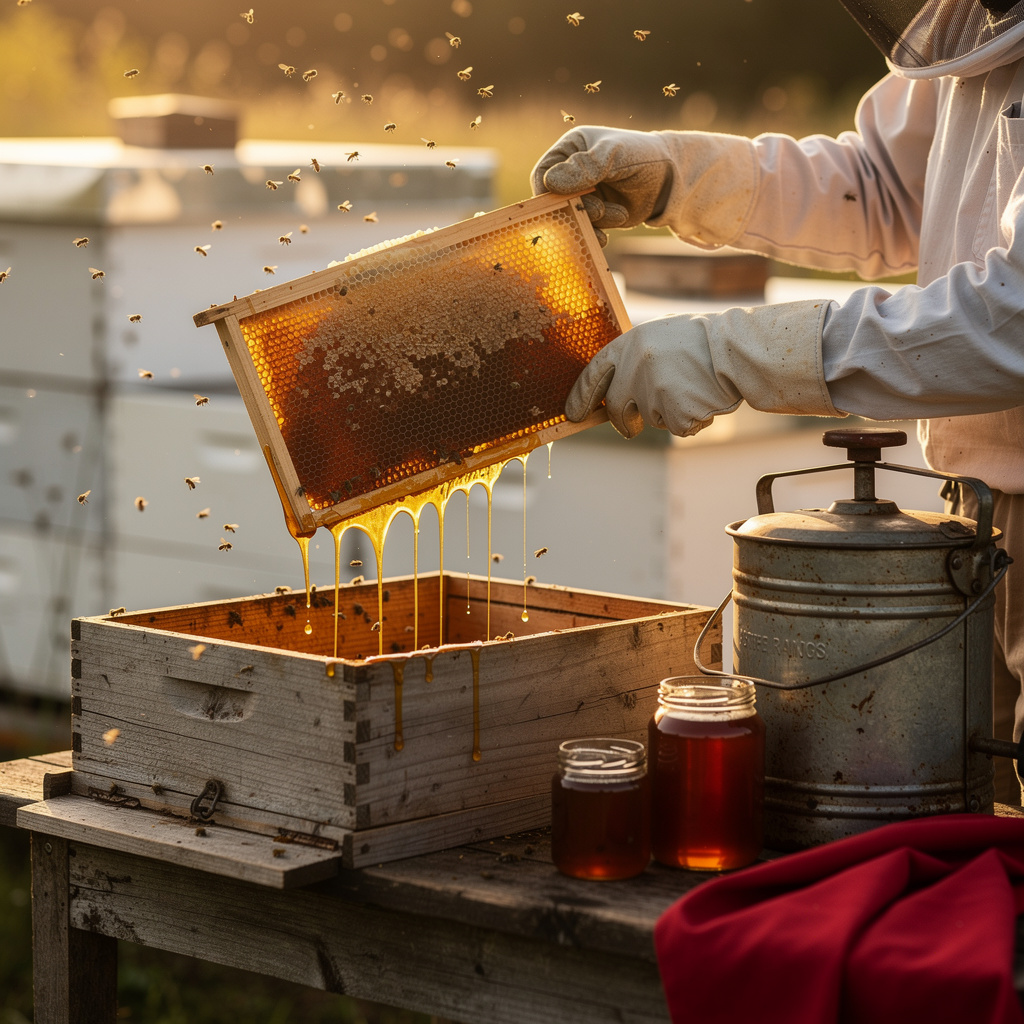
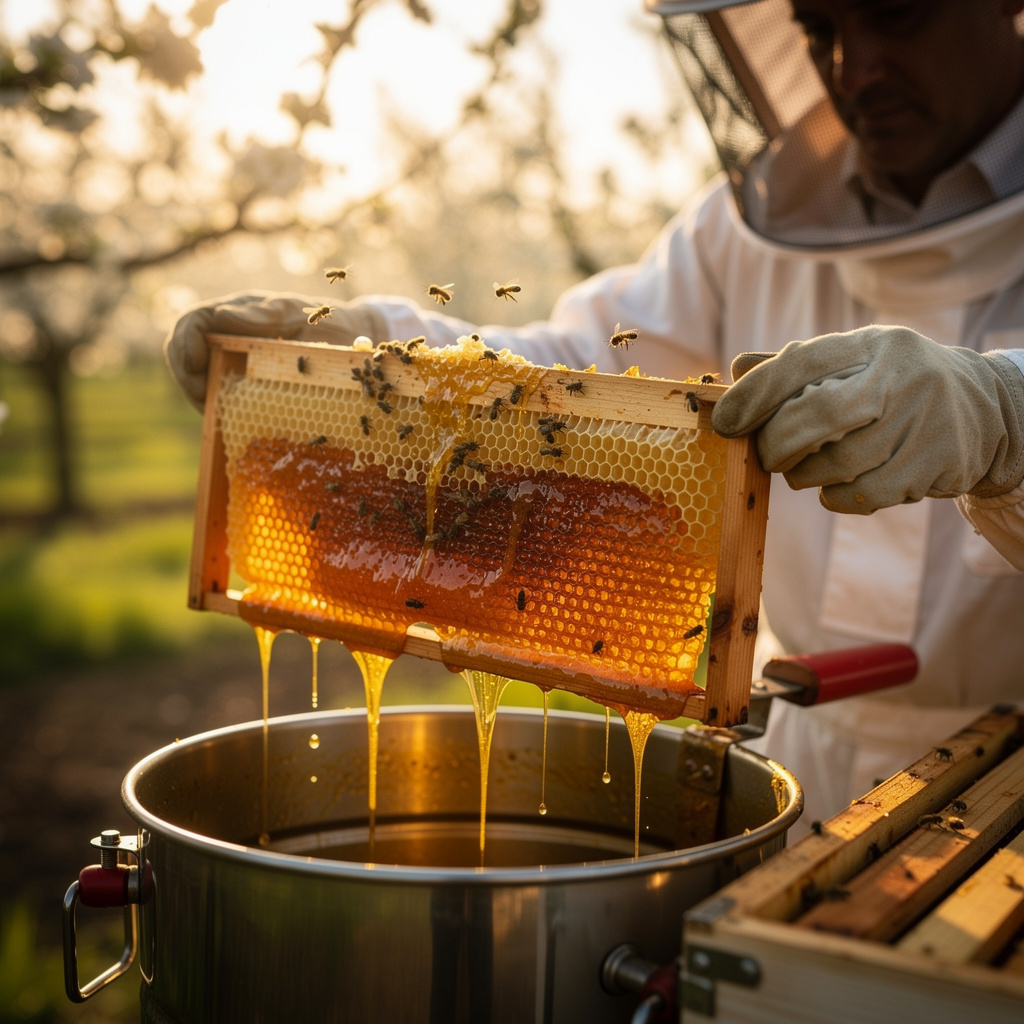
Beekeeping, or apiculture, is the practice of maintaining honey bee colonies in hives for the purpose of harvesting honey, beeswax, propolis, pollen, and other hive products, while also providing essential pollination services. It encompasses a deep understanding of honey bee biology, including the social structure of the colony, the life cycle of the queen, workers, and drones, and the intricate communication methods bees use to locate nectar sources. Honey harvesting is the seasonal culmination of this stewardship, involving the careful removal of surplus honeycomb, extraction of honey without destroying the comb, and processing it for consumption or sale. The discipline balances art and science, requiring both ecological sensitivity and practical craftsmanship.
Beekeeping has surged in relevance as global concern over pollinator decline, biodiversity loss, and food security intensifies. Beyond its role in producing natural sweeteners and medicinal hive products, managed beekeeping is now critical for agricultural pollination, supporting billions of dollars in crop value worldwide. Urban and suburban beekeeping initiatives are reshaping local food systems, while regenerative farming movements increasingly integrate apiaries to boost ecosystem health. Recent shifts toward organic and treatment-free beekeeping reflect a growing demand for sustainable practices that prioritize bee welfare over maximum yield, making the subject both a traditional craft and a modern environmental imperative.
Mastering beekeeping and honey harvesting builds a unique skill stack that merges biology, ecology, small-scale agriculture, and food processing. Learners develop observational precision, seasonal planning abilities, and a hands-on understanding of animal husbandry and natural product extraction. This knowledge opens doors to personal enrichment through backyard beekeeping, community-supported agriculture, or small business ventures selling raw honey and beeswax goods. It also provides a foundation for roles in conservation, agricultural extension, or education, empowering individuals to contribute directly to pollinator health and sustainable food systems in their own communities.
Common Questions About Beekeeping and Honey Harvesting
Is beekeeping and honey harvesting course suitable for complete beginners?
What career opportunities does a beekeeping certificate provide?
How do you identify the three castes in a honey bee colony?
- Queen: Longer abdomen, no pollen baskets, central egg-laying role.
- Worker: Smaller, with pollen baskets and sting, perform all hive tasks.
- Drone: Larger eyes, no sting, only for mating.
What is the best time of day to conduct a hive inspection?
What are the key steps in the honey extraction process?
- Uncapping: Removing the wax cappings from the comb.
- Extraction: Spinning frames in a centrifuge to fling honey out.
- Filtering: Straining out wax particles and debris.
- Bottling: Pouring honey into clean jars.
What equipment is essential for a beginner beekeeper?
Is it true that beekeeping always results in stings?
What Will This Course Bring You?
- Evaluate local regulations, site conditions, and personal resources to determine the feasibility and appropriate scale of a beekeeping operation.
- Identify the anatomical features and life stages of honey bees to accurately assess colony health and diagnose common brood diseases.
- Assemble and maintain essential beekeeping equipment, including hives, smokers, and protective gear, ensuring proper function and personal safety.
- Design an apiary layout that optimizes sun exposure, wind protection, and forage access while minimizing pest and disease pressure.
- Install package bees or nucleus colonies using techniques that promote queen acceptance, reduce drifting, and encourage rapid comb construction.
- Perform systematic hive inspections, documenting brood patterns, food stores, and queen performance to guide timely management interventions.
- Implement an integrated pest management plan that combines regular monitoring, cultural controls, and targeted treatments to mitigate Varroa mites and other threats.
- Harvest, extract, and process honey at optimal ripeness, applying hygienic practices and proper equipment use to preserve quality and meet food safety standards.
Curriculum
12 Units1. Getting Started with Beekeeping
1 hour
2. Understanding Honey Bee Biology
1 hour
3. Essential Beekeeping Equipment and Tools
1 hour
4. Choosing and Setting Up Your Apiary
1 hour
5. Acquiring and Installing Honey Bees
1 hour
6. Conducting Hive Inspections and Basic Colony Management
1 hour
7. Bee Health and Integrated Pest Management
1 hour
8. Seasonal Beekeeping Tasks and Swarm Control
1 hour
9. Understanding the Honey Flow and Harvesting Principles
1 hour
10. Honey Extraction and Processing
1 hour
11. Harvesting Other Hive Products
1 hour
12. Overwintering and Preparing for the Next Season
1 hour
Exam – Beekeeping and Honey Harvesting
20 Questions • 70% Pass • 30 min
Unlock All Units for Free
Create an account, enroll in the course, and start with the first unit right away.
Exam – Beekeeping and Honey Harvesting
20 Questions • Pass: 70% • 30 min
Course Duration
720
Total Minutes
12
Unit
1
Final Exam
~60
Min / Unit
Beekeeping and Honey Harvesting Certificate Program
Document Your Skill
Those who pass the 20-question, 30-minute exam with 70% receive the Beekeeping and Honey Harvesting Certificate.
Stand Out on Your CV
By adding your certificate to your CV, gain a professional reference in job applications and stand out from the crowd.
Career Advantage
Catch Wisdom certificates are recognized by HR departments and increase career opportunities.
CERTIFICATE FEE
At the end of the course, an online exam consisting of 20 questions with a 30-minute time limit is given. The exam appears automatically after you complete the topics. Anyone who scores at least 70 out of 100 on the certificate exam is awarded the Beekeeping and Honey Harvesting Document (certificate of attendance). You can add the certificate you earn to your CV for job applications in the many sectors listed above, and use it as a reference proving that you took this interactive course.
The Certificate of Achievement you receive with the Beekeeping and Honey Harvesting course program holds value that proves your personal and professional development in the business world. By adding it to your CV, it can serve as an important reference in your job applications. Moreover, compared with certificates from other private training institutions, Catch Wisdom certificates are offered to our participants at a much more affordable price.
Because HR departments recognize Catch Wisdom as a reputable institution in this field, they value these certificates and may evaluate your job applications favorably. For this reason, a Beekeeping and Honey Harvesting course certificate from Catch Wisdom can make your applications more attractive and place you in an advantageous position in the business world.
For more information, we recommend visiting the Support page.
Certificate in 7 Languages
Earning success certificates from our courses is now more meaningful and global. With certificates available in Turkish, English, German, French, Spanish, Arabic, and Russian, we fully unlock the potential of students worldwide.
Why Certificate in 7 Languages?
-
01
Global Skill Development
Receiving your certificates in 7 different languages strengthens your communication skills as you engage with more people worldwide. It lets you operate more confidently and capably on the international stage.
-
02
International Job Opportunities
Employers may see your certificates in multiple languages as a sign of your ability to seize global opportunities. You can open more doors to new jobs and projects.
-
03
Cultural Richness
The chance to earn certificates in different languages helps you build closer ties with various cultures and broadens your worldview. It enriches your global perspective and deepens cultural understanding.
-
04
Ability to Participate in International Projects
Multilingual certificates give you an edge to work more effectively on international projects. They boost your chances of leadership and participation in diverse projects in the business world.
-
05
Prove Yourself on the Global Stage
Certificates in multiple languages let you showcase your skills and knowledge worldwide. You can become an internationally recognized professional.
Language diversity opens worldwide opportunities. If you want to prove yourself in the international arena, join our online Beekeeping and Honey Harvesting course program and begin this journey with us.
Frequently Asked Questions (FAQ)
Is this course paid?
How do I join the course?
Can I take the course at my own pace?
How can I get my certificate?
What are the advantages of the Certified Certificate?
Boost Your Career
Take a new career step with the Beekeeping and Honey Harvesting course. Add your certificate to your CV, stand out in job applications, and open the door to new opportunities in the industry.
StartStudent Reviews
No reviews yet
Enroll in this course and be the first to leave a review about your experience with Beekeeping and Honey Harvesting.
Start