What is Biodynamic Farming?
Biodynamic Farming Certificate Program
The Biodynamic Farming certificate program provides a structured education in designing and managing farms as living, self-renewing organisms. It teaches the foundations of biodynamic practice, including Rudolf Steiner’s anthroposophic context, living soil fertility, compost and manure management, the biodynamic preparations, and the use of cosmic rhythms and the biodynamic calendar in day-to-day planning. The program is intended for farmers, gardeners, homesteaders, agricultural advisors, and food-system professionals who want a practical, whole-farm approach rather than isolated techniques. Its main practical outcome is the ability to create a feasible farm plan that strengthens soil, biodiversity, crop-livestock integration, and long-term resilience while addressing certification and economic realities.
The curriculum progresses from first principles to implementation, starting with the farm-as-organism idea and building toward crop rotations, green manures, livestock integration, and weed, pest, and disease management. Theory is balanced with practice through planning exercises, observation routines, compost and preparation work, and transition case studies, so learners connect biodynamic concepts to real farm decisions. Across the program, learners develop five core skill areas: whole-farm observation and design; soil fertility and compost practice; rhythm-based scheduling; biodiversity and integrated crop-livestock management; and certification, economics, and transition planning. This program is timely because growers increasingly need lower-input, soil-building, climate-resilient systems that also meet growing market demand for certified biodynamic and regenerative products.
What is Biodynamic Farming?
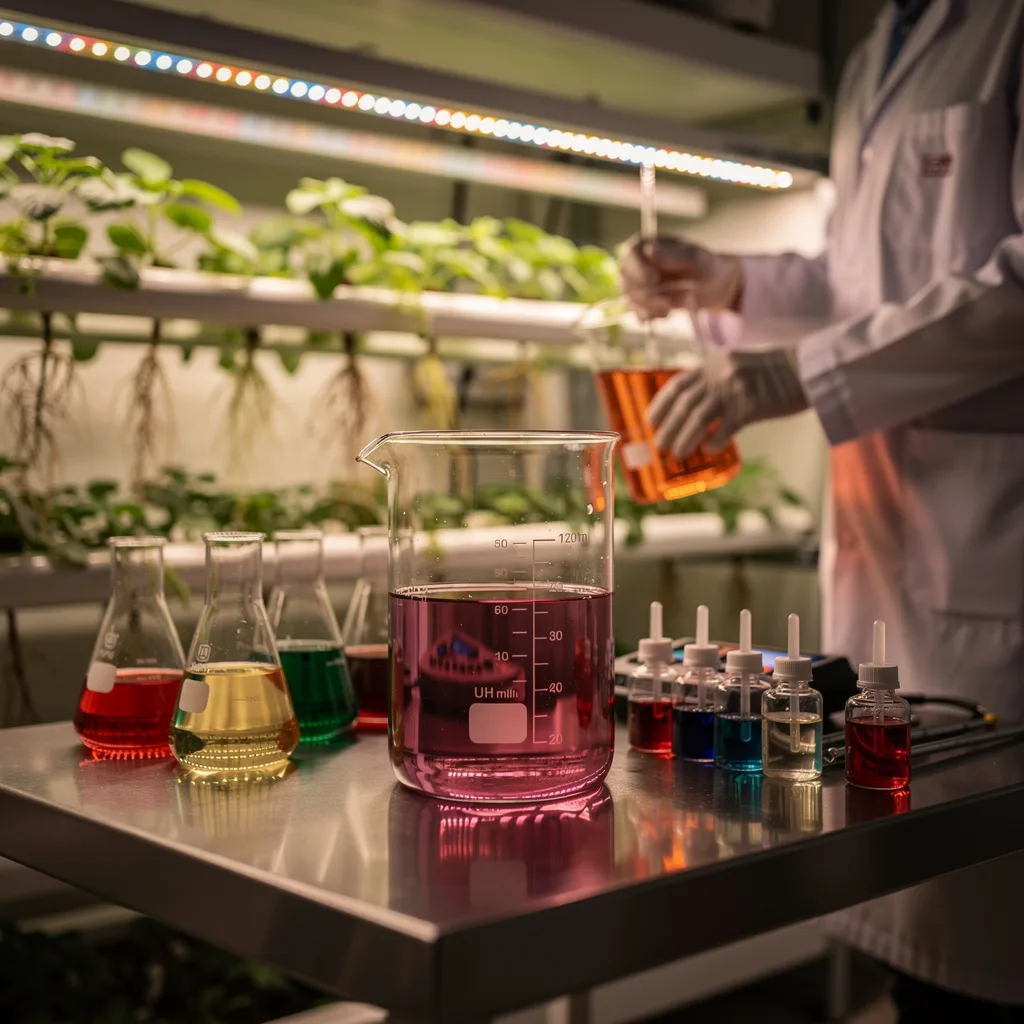
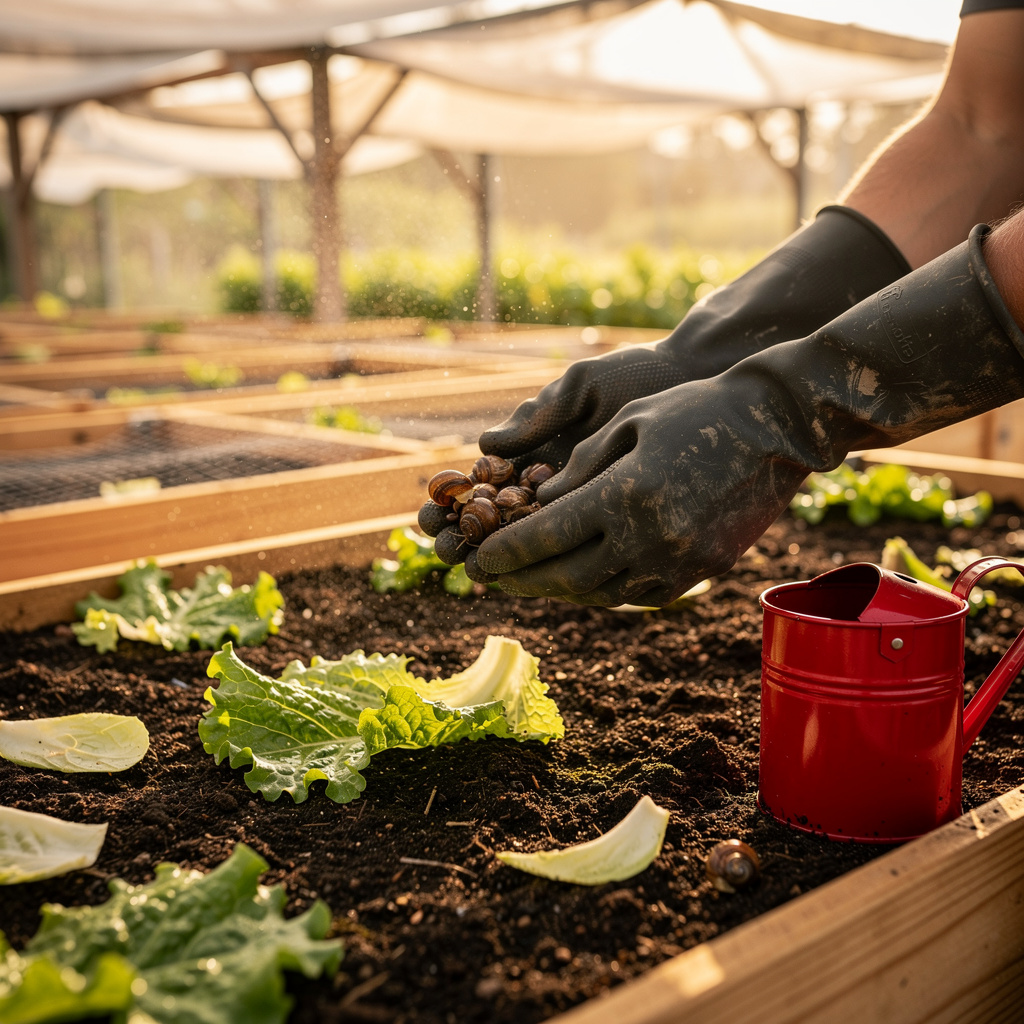
Biodynamic farming is a holistic agroecological approach that treats a farm as a self-contained organism in which soil, plants, animals, people, and natural cycles are managed as one interdependent system. Its scope extends beyond crop production to include living soil fertility, on-farm fertility cycles, compost and manure management, biodynamic preparations, diversified crop rotations, green manures, habitat conservation, and integrated livestock husbandry. Core concepts include the farm organism, the importance of humus and soil biology, rhythmical planting and cultivation practices, and the use of preparations made from mineral, plant, and animal materials. It also emphasizes careful observation, biodiversity, and the avoidance of synthetic inputs as part of a long-term productive system.
Biodynamic farming matters today because it responds directly to pressing concerns about soil degradation, biodiversity loss, input dependency, and climate resilience. Its emphasis on closed nutrient cycles, compost, diverse rotations, and integrated livestock makes it relevant to farms seeking to reduce purchased inputs and improve soil health over time. In real life and industry, biodynamic principles are used on mixed farms, vineyards, orchards, market gardens, and community food projects, while certification standards and premium markets have increased its visibility among producers and consumers. Recent shifts toward regenerative agriculture, agroecology, and soil-health-focused policy have also drawn new attention to biodynamic practices as practical examples of whole-system farm management.
Mastery of biodynamic farming builds a skill stack that combines ecological observation, soil and compost management, rhythm-based planning, biodiversity design, animal integration, and whole-farm economic decision-making. These capabilities are valuable in farm management, advisory work, horticulture, vineyard and orchard production, agricultural education, food-business sourcing, and community-scale food projects. The subject also supports personal contexts such as homesteading and garden design, where learners need to make fertility, pest, and seasonal decisions without relying on simplified input recipes. Ultimately, biodynamic farming knowledge helps practitioners read a landscape, plan cycles, and justify management choices within a coherent ecological and economic framework.
What Will This Course Bring You?
- Explain Rudolf Steiner's anthroposophic principles to justify core biodynamic practices within their historical context.
- Analyze a farm as a self-contained organism by mapping its internal nutrient, energy, and biodiversity flows.
- Design a compost and manure management plan that builds living soil fertility using biodynamic methods.
- Evaluate the purpose, preparation, and application timing of the biodynamic preparations in field practice.
- Apply cosmic rhythms and the biodynamic calendar to schedule planting, cultivating, and harvesting activities.
- Design crop rotations integrating green manures and biodiversity strategies to sustain soil health and resilience.
- Implement integrated weed, pest, and disease management strategies suited to biodynamic livestock and crop systems.
- Create a transition plan addressing certification, standards, economics, and community engagement for a biodynamic farm.
Curriculum
12 Units1. Foundations of Biodynamic Farming
1 hour
2. Origins, Rudolf Steiner, and Anthroposophic Context
1 hour
3. The Farm as a Self-Contained Organism
1 hour
4. Building Living Soil Fertility
1 hour
5. Compost and Manure Management
1 hour
6. The Biodynamic Preparations
1 hour
7. Cosmic Rhythms and the Biodynamic Calendar
1 hour
8. Crop Rotations, Green Manures, and Biodiversity
1 hour
9. Integrating Livestock and Animal Husbandry
1 hour
10. Weed, Pest, and Disease Management
1 hour
11. Certification, Standards, and Economics
1 hour
12. Transition Planning, Community, and Case Studies
1 hour
Exam – Biodynamic Farming
20 Questions • 70% Pass • 30 min
Unlock All Units for Free
Create an account, enroll in the course, and start with the first unit right away.
Exam – Biodynamic Farming
20 Questions • Pass: 70% • 30 min
Course Duration
720
Total Minutes
12
Unit
1
Final Exam
~60
Min / Unit
Biodynamic Farming Certificate Program
Document Your Skill
Those who pass the 20-question, 30-minute exam with 70% receive the Biodynamic Farming Certificate.
Stand Out on Your CV
By adding your certificate to your CV, gain a professional reference in job applications and stand out from the crowd.
Career Advantage
With the verification code, employers can check your certificate instantly — a concrete way to show your growth.
CERTIFICATE FEE
At the end of the course, an online exam consisting of 20 questions with a 30-minute time limit is given. The exam appears automatically after you complete the topics. Anyone who scores at least 70 out of 100 on the certificate exam is awarded the Biodynamic Farming Document (certificate of attendance). You can add the certificate you earn to your CV for job applications in the many sectors listed above, and use it as a reference proving that you took this interactive course.
The Certificate of Achievement you receive with the Biodynamic Farming course program holds value that proves your personal and professional development in the business world. By adding it to your CV, it can serve as an important reference in your job applications. Moreover, compared with certificates from other private training institutions, Catch Wisdom certificates are offered to our participants at a much more affordable price.
The Biodynamic Farming course certificate is a document that proves, with a unique verification code, that you completed the course. Employers can instantly check its authenticity with this code, which helps you show your development concretely in your job applications.
For more information, we recommend visiting the Support page.
Certificate in 7 Languages
Earning success certificates from our courses is now more meaningful and global. With certificates available in Turkish, English, German, French, Spanish, Arabic, and Russian, we fully unlock the potential of students worldwide.
Why Certificate in 7 Languages?
-
01
Global Skill Development
Receiving your certificates in 7 different languages strengthens your communication skills as you engage with more people worldwide. It lets you operate more confidently and capably on the international stage.
-
02
International Job Opportunities
Employers may see your certificates in multiple languages as a sign of your ability to seize global opportunities. You can open more doors to new jobs and projects.
-
03
Cultural Richness
The chance to earn certificates in different languages helps you build closer ties with various cultures and broadens your worldview. It enriches your global perspective and deepens cultural understanding.
-
04
Ability to Participate in International Projects
Multilingual certificates give you an edge to work more effectively on international projects. They boost your chances of leadership and participation in diverse projects in the business world.
-
05
Prove Yourself on the Global Stage
Certificates in multiple languages give you the opportunity to present your skills and knowledge worldwide.
Language diversity opens worldwide opportunities. If you want to prove yourself in the international arena, join our online Biodynamic Farming course program and begin this journey with us.
Frequently Asked Questions (FAQ)
Is this course paid?
How do I join the course?
Can I take the course at my own pace?
How can I get my certificate?
What are the advantages of the certificate?
Boost Your Career
Take a new career step with the Biodynamic Farming course. Add your certificate to your CV, stand out in job applications, and open the door to new opportunities in the industry.
StartStudent Reviews
No reviews yet
Enroll in this course and be the first to leave a review about your experience with Biodynamic Farming.
Start