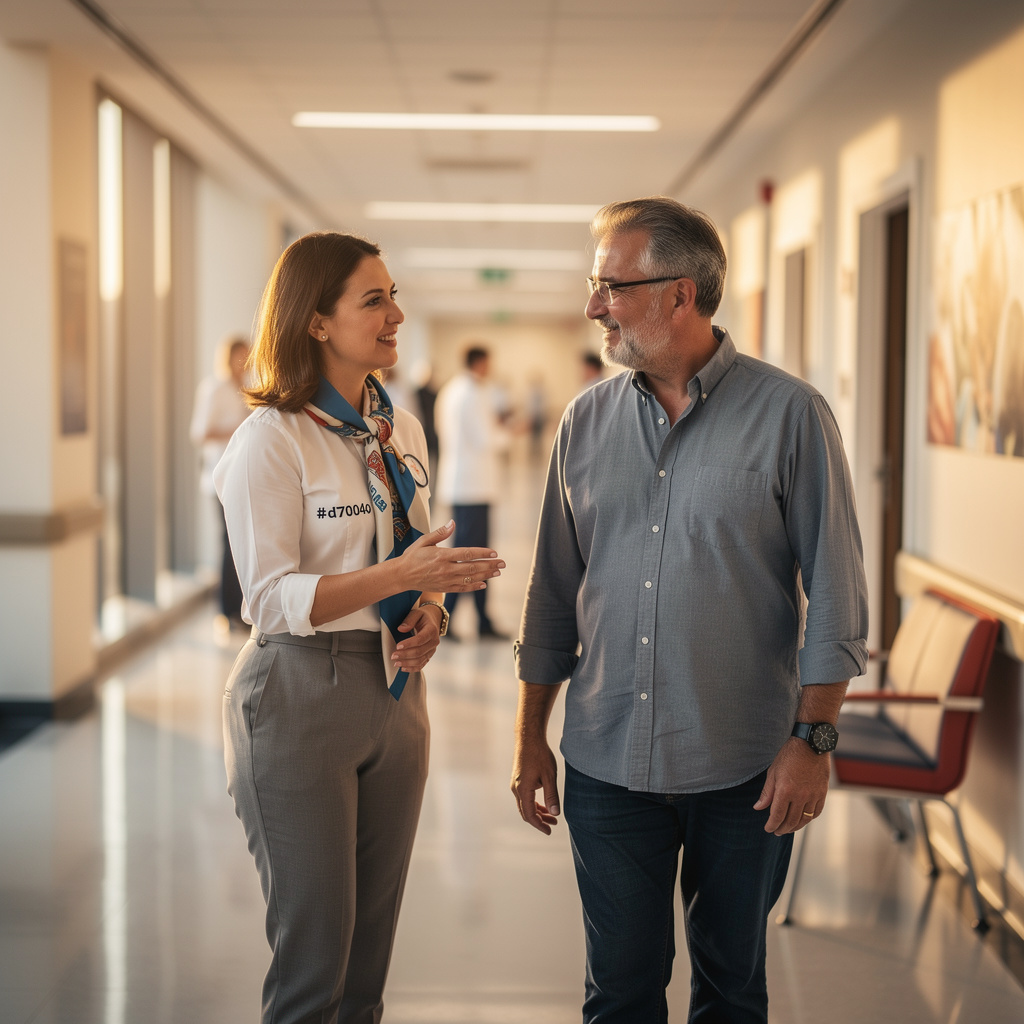
What is Chaplaincy and Spiritual Care?
Chaplaincy and Spiritual Care Certificate Program
The Chaplaincy and Spiritual Care certificate program equips learners to provide thoughtful, ethically grounded spiritual support across healthcare, community, and institutional settings. The curriculum explores foundations of chaplaincy, spiritual assessment and care planning, relational presence, pastoral conversation, theological and philosophical frameworks, and cultural and religious literacy. It is designed for aspiring chaplains, healthcare and social service professionals, faith community leaders, volunteers, and others who want to offer respectful care without imposing their own beliefs. The main practical outcome is the ability to conduct a spiritual assessment, plan appropriate care, and respond with competent presence in ordinary and crisis situations.
The program is structured as a beginner-friendly progression, beginning with Foundations of Chaplaincy and Spiritual Care and moving through assessment, pastoral conversation, frameworks, cultural literacy, crisis and grief support, healthcare and community settings, moral injury, ritual and prayer, ethics and self-care, and a reflective capstone. It balances theory with practice by connecting theological and philosophical frameworks to relational presence, spiritual care planning, ritual, and real-world institutional contexts. Across the lessons, learners build five core skill areas: spiritual assessment, pastoral communication, cultural and religious literacy, crisis and grief support, and ethical reflective practice. People choose this program now because pluralistic institutions, strained healthcare systems, community crises, and conversations about moral injury all require caregivers who can offer skilled, boundary-aware spiritual care.
What is Chaplaincy and Spiritual Care?
Chaplaincy and spiritual care is the practice of accompanying people through meaning-making, grief, crisis, illness, transition, and ethical or existential struggle within their own values and traditions. Its scope includes spiritual assessment, attentive listening, pastoral conversation, ritual and prayer where appropriate, crisis and grief support, and coordination with healthcare, community, and institutional teams. Core concepts include relational presence, cultural and religious literacy, dignity, autonomy, moral injury, spiritual struggle, professional boundaries, and reflective practice. It is not limited to religious institutions; it addresses universal human questions of hope, belonging, identity, suffering, and purpose in pluralistic settings.
Chaplaincy and spiritual care matters today because healthcare, social services, education, corrections, disaster response, and community organizations increasingly recognize spiritual and existential needs as part of whole-person care. In real-world settings, chaplains and spiritual caregivers support patients, families, staff, volunteers, and communities through illness, palliative care, trauma, bereavement, moral distress, and major life transitions. Recent shifts toward interfaith and nonreligious spiritual care, trauma-informed practice, integrated care teams, and greater attention to moral injury have expanded the field beyond traditional religious settings. As institutions serve increasingly diverse populations, skilled spiritual care helps reduce isolation, support decision-making, and create humane spaces for people who hold different beliefs or none.
Mastering this subject builds a transferable skill stack: nuanced spiritual assessment, calm relational presence, culturally responsive communication, ethical boundary-setting, crisis and grief accompaniment, ritual sensitivity, and reflective self-awareness. These capabilities matter in professional contexts such as hospitals, hospices, community agencies, faith-based organizations, emergency response, and institutional leadership, as well as in personal contexts of caregiving and community support. The subject also cultivates the ability to work with theological and philosophical frameworks without imposing them, helping caregivers respond to spiritual struggle and moral injury with clarity and compassion. Ultimately, chaplaincy and spiritual care prepares people to hold complex human experiences with skill, humility, and accountable practice.
What Will This Course Bring You?
- Analyze chaplaincy roles, institutional boundaries, and setting-specific expectations across healthcare, community, and institutional contexts to distinguish spiritual care from other helping professions.
- Design a spiritual assessment and care plan that documents beliefs, sources of meaning, relational supports, and measurable goals for ongoing spiritual care.
- Demonstrate relational presence and pastoral conversation skills by using active listening, open questions, and reflective responses in simulated care encounters.
- Evaluate cultural and religious literacy resources to adapt spiritual care approaches for clients from diverse faith traditions and worldview communities.
- Apply trauma-informed grief support and contextually appropriate ritual or prayer practices to address immediate spiritual needs during crisis situations.
- Develop a palliative care spiritual support plan that integrates chaplaincy interventions with interdisciplinary healthcare goals and patient-directed advance care preferences.
- Analyze theological and philosophical frameworks for moral injury and spiritual struggle to formulate respectful responses that support meaning-making without imposing theological conclusions.
- Implement professional ethics, boundary-setting, and self-care practices in a reflective capstone project that integrates learning across chaplaincy settings.
Curriculum
12 Units1. Foundations of Chaplaincy and Spiritual Care
1 hour
2. Spiritual Assessment and Care Planning
1 hour
3. Relational Presence and Pastoral Conversation
1 hour
4. Theological and Philosophical Frameworks for Care
1 hour
5. Cultural and Religious Literacy in Spiritual Care
1 hour
6. Crisis, Trauma, and Grief Support
1 hour
7. Healthcare Chaplaincy and Palliative Care
1 hour
8. Community and Institutional Chaplaincy Settings
1 hour
9. Moral Injury and Spiritual Struggle
1 hour
10. Ritual, Prayer, and Spiritual Practices
1 hour
11. Professional Ethics, Boundaries, and Self-Care
1 hour
12. Reflective Practice and Integrated Capstone
1 hour
Exam – Chaplaincy and Spiritual Care
20 Questions • 70% Pass • 30 min
Unlock All Units for Free
Create an account, enroll in the course, and start with the first unit right away.
Exam – Chaplaincy and Spiritual Care
20 Questions • Pass: 70% • 30 min
Course Duration
720
Total Minutes
12
Unit
1
Final Exam
~60
Min / Unit
Chaplaincy and Spiritual Care Certificate Program
Document Your Skill
Those who pass the 20-question, 30-minute exam with 70% receive the Chaplaincy and Spiritual Care Certificate.
Stand Out on Your CV
By adding your certificate to your CV, gain a professional reference in job applications and stand out from the crowd.
Career Advantage
With the verification code, employers can check your certificate instantly — a concrete way to show your growth.
CERTIFICATE FEE
At the end of the course, an online exam consisting of 20 questions with a 30-minute time limit is given. The exam appears automatically after you complete the topics. Anyone who scores at least 70 out of 100 on the certificate exam is awarded the Chaplaincy and Spiritual Care Document (certificate of attendance). You can add the certificate you earn to your CV for job applications in the many sectors listed above, and use it as a reference proving that you took this interactive course.
The Certificate of Achievement you receive with the Chaplaincy and Spiritual Care course program holds value that proves your personal and professional development in the business world. By adding it to your CV, it can serve as an important reference in your job applications. Moreover, compared with certificates from other private training institutions, Catch Wisdom certificates are offered to our participants at a much more affordable price.
The Chaplaincy and Spiritual Care course certificate is a document that proves, with a unique verification code, that you completed the course. Employers can instantly check its authenticity with this code, which helps you show your development concretely in your job applications.
For more information, we recommend visiting the Support page.
Certificate in 7 Languages
Earning success certificates from our courses is now more meaningful and global. With certificates available in Turkish, English, German, French, Spanish, Arabic, and Russian, we fully unlock the potential of students worldwide.
Why Certificate in 7 Languages?
-
01
Global Skill Development
Receiving your certificates in 7 different languages strengthens your communication skills as you engage with more people worldwide. It lets you operate more confidently and capably on the international stage.
-
02
International Job Opportunities
Employers may see your certificates in multiple languages as a sign of your ability to seize global opportunities. You can open more doors to new jobs and projects.
-
03
Cultural Richness
The chance to earn certificates in different languages helps you build closer ties with various cultures and broadens your worldview. It enriches your global perspective and deepens cultural understanding.
-
04
Ability to Participate in International Projects
Multilingual certificates give you an edge to work more effectively on international projects. They boost your chances of leadership and participation in diverse projects in the business world.
-
05
Prove Yourself on the Global Stage
Certificates in multiple languages give you the opportunity to present your skills and knowledge worldwide.
Language diversity opens worldwide opportunities. If you want to prove yourself in the international arena, join our online Chaplaincy and Spiritual Care course program and begin this journey with us.
Frequently Asked Questions (FAQ)
Is this course paid?
How do I join the course?
Can I take the course at my own pace?
How can I get my certificate?
What are the advantages of the certificate?
Boost Your Career
Take a new career step with the Chaplaincy and Spiritual Care course. Add your certificate to your CV, stand out in job applications, and open the door to new opportunities in the industry.
StartStudent Reviews
No reviews yet
Enroll in this course and be the first to leave a review about your experience with Chaplaincy and Spiritual Care.
Start