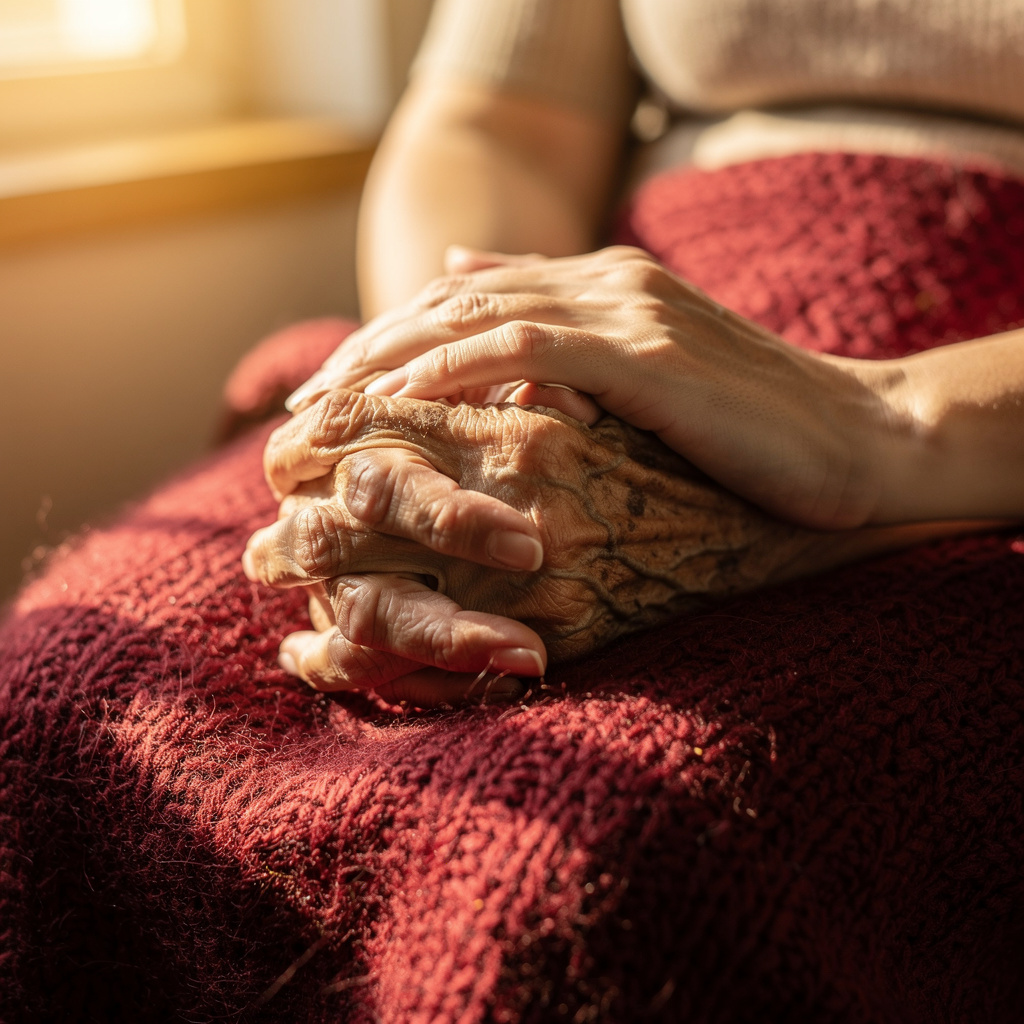
What is Reducing Social Isolation in Older Adults?
Reducing Social Isolation in Older Adults Training
The Reducing Social Isolation in Older Adults certificate program equips healthcare professionals, social workers, community planners, and family caregivers with evidence-based strategies to combat the growing crisis of loneliness among aging populations. Participants explore the psychological, physiological, and social dimensions of isolation while developing practical intervention techniques that can be applied immediately in clinical, residential, and community settings. By the end of the program, learners will have constructed a personalized action plan for identifying at-risk individuals and implementing sustainable support systems in their own communities.
The program is designed with a beginner-friendly progression that moves from foundational concepts—such as distinguishing social isolation from loneliness—through advanced topics including technology inclusion, transportation solutions, and policy advocacy. Each module balances theoretical frameworks with hands-on case studies, ensuring that learners build four core skill areas: risk assessment, resilience building, community engagement, and program evaluation. With the World Health Organization declaring loneliness a global public health priority, this training equips professionals to respond to one of the most pressing social challenges of our time, making it an essential credential for anyone working in gerontology, public health, or community development.
What is Reducing Social Isolation in Older Adults?
Social isolation in older adults refers to the objective state of having few social relationships, infrequent social contact, and limited participation in community life, while loneliness captures the subjective feeling of disconnect that often accompanies it. The field encompasses a multidisciplinary body of knowledge spanning gerontology, public health, psychology, urban design, and social work, addressing everything from individual coping mechanisms to systemic environmental barriers. Core concepts include risk factor identification, resilience theory, social network analysis, age-friendly design principles, and the measurement of social connectedness through validated assessment tools.
The subject has gained urgent relevance as global populations age rapidly and research increasingly links social isolation to cardiovascular disease, cognitive decline, depression, and premature mortality—with effects comparable to smoking fifteen cigarettes a day. Governments, healthcare systems, and nonprofit organizations worldwide are now investing in isolation-reduction initiatives, from the UK's Campaign to End Loneliness to WHO's Global Commission on Social Connection, while technological advances and the COVID-19 pandemic have fundamentally reshaped how we understand and address social engagement in later life. This field sits at the intersection of clinical practice, community planning, and digital innovation, making it a dynamic area of study with real-world applications across multiple sectors.
Mastering this subject builds a versatile skill stack that includes empathetic communication, needs assessment, program design, cross-sector collaboration, and data-driven evaluation—competencies that are increasingly valued in healthcare administration, social services, urban planning, and nonprofit leadership. Professionals who understand how to reduce social isolation are better equipped to improve patient outcomes, design more inclusive communities, and advocate for policies that support healthy aging. For family caregivers and volunteers, this knowledge translates directly into more meaningful and effective support for the older adults in their lives, while for policymakers and researchers, it provides the framework for evidence-based interventions that create measurable social impact.
Common Questions About Reducing Social Isolation in Older Adults
How does a certificate in reducing social isolation boost my resume?
Is this training suitable for someone with no prior experience in elderly care?
How does the stress response pathway connect social isolation to heart disease?
What is the most common mistake when applying the HELPS mnemonic?
Why does the second-level digital divide matter more than device access?
How can community-based programs effectively reduce loneliness in seniors?
Is social isolation simply an inevitable part of aging for older adults?
What Will This Course Bring You?
- Analyze the distinction between social isolation and loneliness to assess their respective impacts on older adults' well-being.
- Evaluate the health consequences of prolonged social isolation to prioritize intervention strategies.
- Apply screening tools to identify older adults at risk of social isolation in community settings.
- Design a personalized resilience-building plan for an older adult to enhance their social engagement.
- Implement a technology-based solution to connect isolated older adults with family and friends.
- Develop a community-based program that addresses transportation barriers to social participation.
- Advocate for policy changes that support age-friendly environments to reduce isolation.
- Measure the effectiveness of an intervention using appropriate metrics to sustain change.
Curriculum
12 Units1. Understanding Social Isolation and Loneliness
1 hour
2. Health Impacts of Social Isolation
1 hour
3. Identifying Older Adults at Risk
1 hour
4. Building Individual Resilience
1 hour
5. Strengthening Family and Friend Connections
1 hour
6. Community-Based Programs
1 hour
7. Technology and Digital Inclusion
1 hour
8. Transportation and Mobility Solutions
1 hour
9. Designing Age-Friendly Environments
1 hour
10. Professional and Volunteer Interventions
1 hour
11. Policy and Advocacy
1 hour
12. Measuring Success and Sustaining Change
1 hour
Exam – Reducing Social Isolation in Older Adults
20 Questions • 70% Pass • 30 min
Unlock All Units for Free
Create an account, enroll in the course, and start with the first unit right away.
Exam – Reducing Social Isolation in Older Adults
20 Questions • Pass: 70% • 30 min
Course Duration
720
Total Minutes
12
Unit
1
Final Exam
~60
Min / Unit
Reducing Social Isolation in Older Adults Certificate Program
Document Your Skill
Those who pass the 20-question, 30-minute exam with 70% receive the Reducing Social Isolation in Older Adults Certificate.
Stand Out on Your CV
By adding your certificate to your CV, gain a professional reference in job applications and stand out from the crowd.
Career Advantage
Catch Wisdom certificates are recognized by HR departments and increase career opportunities.
CERTIFICATE FEE
At the end of the course, an online exam consisting of 20 questions with a 30-minute time limit is given. The exam appears automatically after you complete the topics. Anyone who scores at least 70 out of 100 on the certificate exam is awarded the Reducing Social Isolation in Older Adults Document (certificate of attendance). You can add the certificate you earn to your CV for job applications in the many sectors listed above, and use it as a reference proving that you took this interactive course.
The Certificate of Achievement you receive with the Reducing Social Isolation in Older Adults course program holds value that proves your personal and professional development in the business world. By adding it to your CV, it can serve as an important reference in your job applications. Moreover, compared with certificates from other private training institutions, Catch Wisdom certificates are offered to our participants at a much more affordable price.
Because HR departments recognize Catch Wisdom as a reputable institution in this field, they value these certificates and may evaluate your job applications favorably. For this reason, a Reducing Social Isolation in Older Adults course certificate from Catch Wisdom can make your applications more attractive and place you in an advantageous position in the business world.
For more information, we recommend visiting the Support page.
Certificate in 7 Languages
Earning success certificates from our courses is now more meaningful and global. With certificates available in Turkish, English, German, French, Spanish, Arabic, and Russian, we fully unlock the potential of students worldwide.
Why Certificate in 7 Languages?
-
01
Global Skill Development
Receiving your certificates in 7 different languages strengthens your communication skills as you engage with more people worldwide. It lets you operate more confidently and capably on the international stage.
-
02
International Job Opportunities
Employers may see your certificates in multiple languages as a sign of your ability to seize global opportunities. You can open more doors to new jobs and projects.
-
03
Cultural Richness
The chance to earn certificates in different languages helps you build closer ties with various cultures and broadens your worldview. It enriches your global perspective and deepens cultural understanding.
-
04
Ability to Participate in International Projects
Multilingual certificates give you an edge to work more effectively on international projects. They boost your chances of leadership and participation in diverse projects in the business world.
-
05
Prove Yourself on the Global Stage
Certificates in multiple languages let you showcase your skills and knowledge worldwide. You can become an internationally recognized professional.
Language diversity opens worldwide opportunities. If you want to prove yourself in the international arena, join our online Reducing Social Isolation in Older Adults course program and begin this journey with us.
Frequently Asked Questions (FAQ)
Is this course paid?
How do I join the course?
Can I take the course at my own pace?
How can I get my certificate?
What are the advantages of the Certified Certificate?
Boost Your Career
Take a new career step with the Reducing Social Isolation in Older Adults course. Add your certificate to your CV, stand out in job applications, and open the door to new opportunities in the industry.
StartStudent Reviews
No reviews yet
Enroll in this course and be the first to leave a review about your experience with Reducing Social Isolation in Older Adults.
Start