What is Dementia-Friendly Home Design?
Dementia-Friendly Home Design Training
Dementia-Friendly Home Design certificate program equips designers, caregivers, occupational therapists, and family members with the specialized knowledge to transform living spaces into supportive environments for people living with dementia. This course teaches you how to apply evidence-based principles—from safety and fall prevention to wayfinding, lighting, and sensory modulation—directly to real-world homes. By the end, you will be able to assess a residence, identify dementia-related challenges, and implement practical modifications that enhance independence, dignity, and quality of life.
The program is structured for beginners yet offers depth for professionals, progressing from foundational neuroscience to advanced smart-home integration and case-study application. You will build core skills across four areas: spatial cognition, environmental safety, sensory design, and caregiver-centered planning. With the global rise in dementia prevalence and a growing demand for aging-in-place solutions, this training is timely for anyone involved in home renovation, care planning, or assisted living design. Choose this program to stay ahead in a field where human-centered design meets healthcare innovation.
What is Dementia-Friendly Home Design?
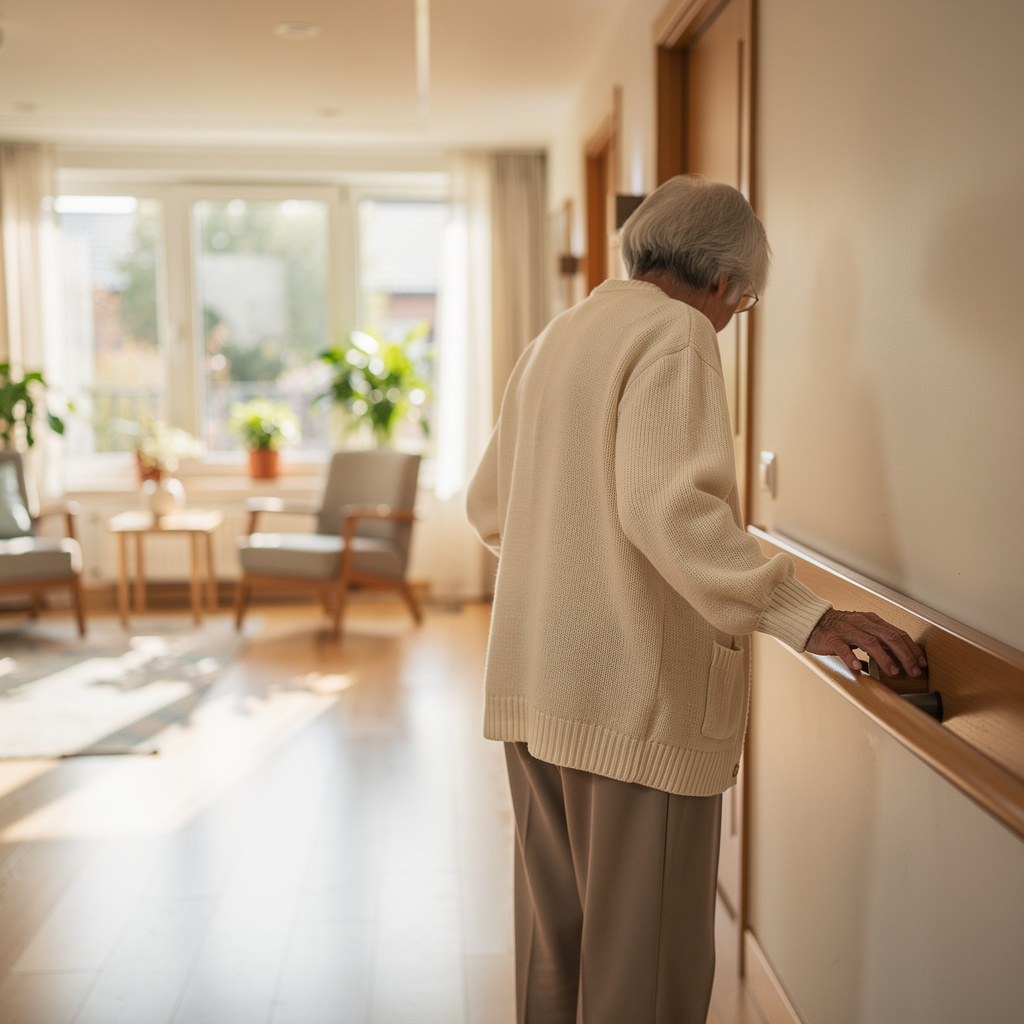
Dementia-Friendly Home Design is a specialized discipline that adapts residential environments to the cognitive, perceptual, and physical needs of individuals with Alzheimer’s disease and related dementias. Its core concepts include maximizing safety through fall prevention and hazard reduction, supporting wayfinding through clear visual cues and spatial landmarks, and optimizing lighting and contrast to compensate for visual perception changes. The field also addresses sensory considerations—sound, smell, and touch—as well as the layout of furniture and outdoor spaces to reduce confusion and agitation while promoting autonomy.
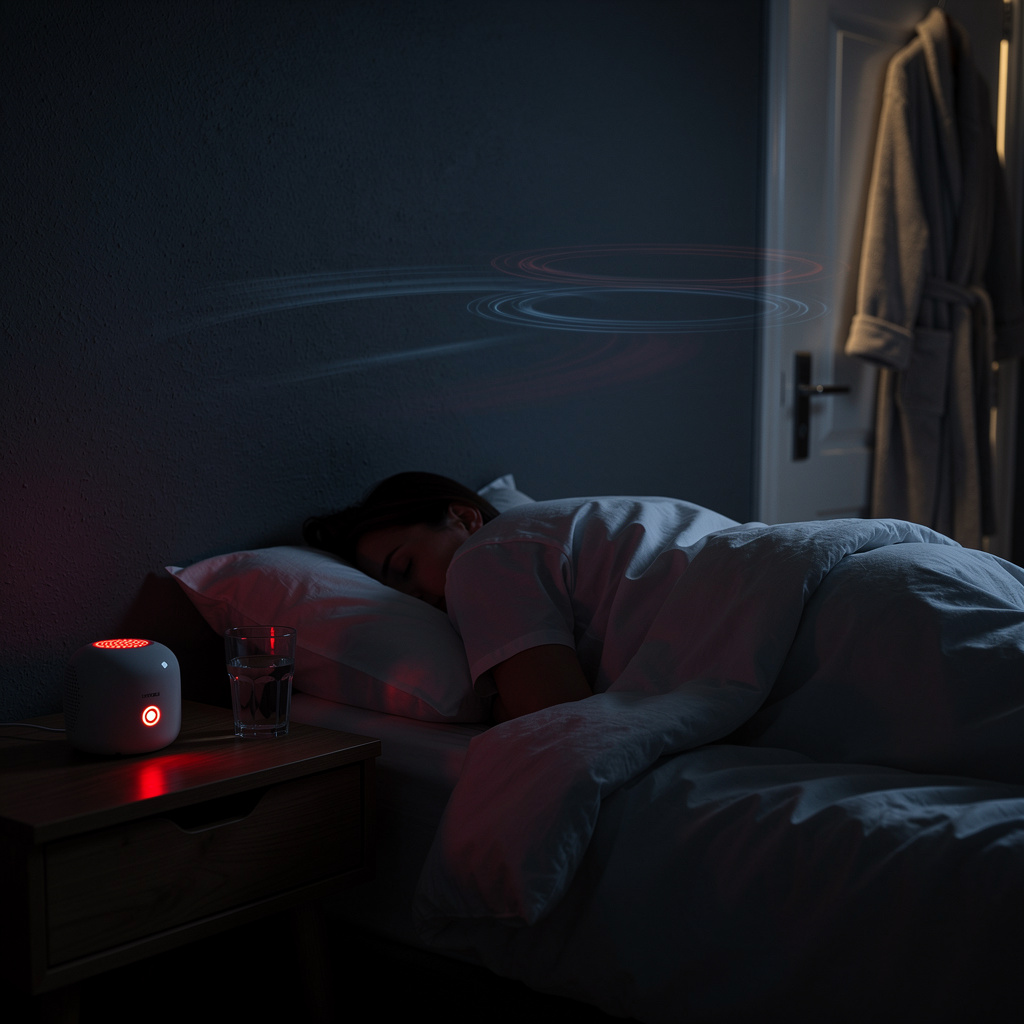
Today, this subject matters more than ever as the global population ages and dementia rates rise. It is applied in private homes, assisted living facilities, memory care units, and even in urban planning initiatives that aim to create dementia-friendly communities. Recent shifts include the integration of smart home technologies—such as motion sensors, automated lighting, and voice-activated assistants—which are now being designed with dementia-specific interfaces. Research from environmental psychology and gerontology has moved the field from generic accessibility to personalized, behaviorally informed design, making it a critical component of modern healthcare and residential architecture.
Mastering this subject builds a skill stack that combines spatial analysis, human factors engineering, empathetic communication, and practical problem-solving. Professionals in interior design, occupational therapy, nursing, social work, and home modification services benefit directly, as do family caregivers who need to adapt their loved one’s living space. The knowledge also supports policy makers and product developers creating dementia-friendly products and environments. Ultimately, this discipline empowers you to create spaces that reduce stress, improve sleep, encourage social interaction, and maintain a sense of home for those living with cognitive decline.
Common Questions About Dementia-Friendly Home Design
How does this dementia-friendly home design certificate boost my interior design CV?
Is this training suitable for someone with no healthcare or design experience?
Why does flooring choice reduce fall risk in dementia-friendly home design?
What is LRV and how do I measure contrast for dementia-friendly color schemes?
How can smart home technology improve safety without causing sensory overload?
What are the most common mistakes when planning lighting to reduce glare for dementia patients?
- Shiny surfaces: glossy floors or tables reflect light and create glare.
- Direct line of sight: placing bulbs or fixtures where they are directly visible.
- Single bright overhead light: creates harsh shadows and confusion.
- Cool color temperature: blue-toned light increases agitation; warm light is calmer.
Does dementia-friendly home design only mean adding safety grab bars and locks?
What Will This Course Bring You?
- Analyze the cognitive and physical challenges of dementia to identify key home design requirements.
- Apply core principles of dementia-friendly design to create a supportive and safe living environment.
- Evaluate home layouts to identify fall risks and implement preventive safety modifications.
- Design wayfinding systems using visual cues and spatial organization to support orientation.
- Implement lighting and contrast adjustments to improve visibility and reduce perceptual confusion.
- Select color schemes and patterns that accommodate the visual perception changes in dementia.
- Arrange furniture and spatial layout to facilitate safe navigation and promote independence.
- Design outdoor spaces that are accessible and engaging for individuals with dementia.
Curriculum
12 Units1. Understanding Dementia and Its Impact on Home Living
1 hour
2. Core Principles of Dementia-Friendly Design
1 hour
3. Safety and Fall Prevention
1 hour
4. Wayfinding and Orientation
1 hour
5. Lighting and Contrast
1 hour
6. Color and Visual Perception
1 hour
7. Furniture and Spatial Layout
1 hour
8. Sensory Considerations: Sound, Smell, and Touch
1 hour
9. Outdoor Spaces and Gardens
1 hour
10. Technology and Smart Home Solutions
1 hour
11. Caregiver Support and Respite Areas
1 hour
12. Implementing and Adapting: Case Studies and Practical Application
1 hour
Exam – Dementia-Friendly Home Design
20 Questions • 70% Pass • 30 min
Unlock All Units for Free
Create an account, enroll in the course, and start with the first unit right away.
Exam – Dementia-Friendly Home Design
20 Questions • Pass: 70% • 30 min
Course Duration
720
Total Minutes
12
Unit
1
Final Exam
~60
Min / Unit
Dementia-Friendly Home Design Certificate Program
Document Your Skill
Those who pass the 20-question, 30-minute exam with 70% receive the Dementia-Friendly Home Design Certificate.
Stand Out on Your CV
By adding your certificate to your CV, gain a professional reference in job applications and stand out from the crowd.
Career Advantage
Catch Wisdom certificates are recognized by HR departments and increase career opportunities.
CERTIFICATE FEE
At the end of the course, an online exam consisting of 20 questions with a 30-minute time limit is given. The exam appears automatically after you complete the topics. Anyone who scores at least 70 out of 100 on the certificate exam is awarded the Dementia-Friendly Home Design Document (certificate of attendance). You can add the certificate you earn to your CV for job applications in the many sectors listed above, and use it as a reference proving that you took this interactive course.
The Certificate of Achievement you receive with the Dementia-Friendly Home Design course program holds value that proves your personal and professional development in the business world. By adding it to your CV, it can serve as an important reference in your job applications. Moreover, compared with certificates from other private training institutions, Catch Wisdom certificates are offered to our participants at a much more affordable price.
Because HR departments recognize Catch Wisdom as a reputable institution in this field, they value these certificates and may evaluate your job applications favorably. For this reason, a Dementia-Friendly Home Design course certificate from Catch Wisdom can make your applications more attractive and place you in an advantageous position in the business world.
For more information, we recommend visiting the Support page.
Certificate in 7 Languages
Earning success certificates from our courses is now more meaningful and global. With certificates available in Turkish, English, German, French, Spanish, Arabic, and Russian, we fully unlock the potential of students worldwide.
Why Certificate in 7 Languages?
-
01
Global Skill Development
Receiving your certificates in 7 different languages strengthens your communication skills as you engage with more people worldwide. It lets you operate more confidently and capably on the international stage.
-
02
International Job Opportunities
Employers may see your certificates in multiple languages as a sign of your ability to seize global opportunities. You can open more doors to new jobs and projects.
-
03
Cultural Richness
The chance to earn certificates in different languages helps you build closer ties with various cultures and broadens your worldview. It enriches your global perspective and deepens cultural understanding.
-
04
Ability to Participate in International Projects
Multilingual certificates give you an edge to work more effectively on international projects. They boost your chances of leadership and participation in diverse projects in the business world.
-
05
Prove Yourself on the Global Stage
Certificates in multiple languages let you showcase your skills and knowledge worldwide. You can become an internationally recognized professional.
Language diversity opens worldwide opportunities. If you want to prove yourself in the international arena, join our online Dementia-Friendly Home Design course program and begin this journey with us.
Frequently Asked Questions (FAQ)
Is this course paid?
How do I join the course?
Can I take the course at my own pace?
How can I get my certificate?
What are the advantages of the Certified Certificate?
Boost Your Career
Take a new career step with the Dementia-Friendly Home Design course. Add your certificate to your CV, stand out in job applications, and open the door to new opportunities in the industry.
StartStudent Reviews
No reviews yet
Enroll in this course and be the first to leave a review about your experience with Dementia-Friendly Home Design.
Start