What is Environmental Health?
Environmental Health Certificate Program
The Environmental Health certificate program provides a comprehensive exploration of how environmental factors influence human health and well-being. Designed for public health professionals, environmental scientists, policy makers, and anyone seeking to understand the intersection of environment and health, this course delivers the practical skills needed to assess risks, interpret toxicological data, and design evidence-based interventions. By the end of the program, participants will be able to analyze exposure pathways, evaluate regulatory frameworks, and apply risk assessment methodologies to real-world environmental health challenges.
The curriculum is structured as a progressive journey, starting with foundational concepts such as exposure pathways and toxicology before advancing into risk assessment, policy analysis, and emerging global issues. Each lesson balances theoretical knowledge with applied case studies, building core competencies in environmental monitoring, data interpretation, regulatory compliance, communication, and systems thinking. With climate change accelerating environmental health threats and urbanization reshaping our living spaces, this program equips learners with the timely expertise to address pressing challenges in air and water quality, food safety, waste management, and built environment design.
What is Environmental Health?
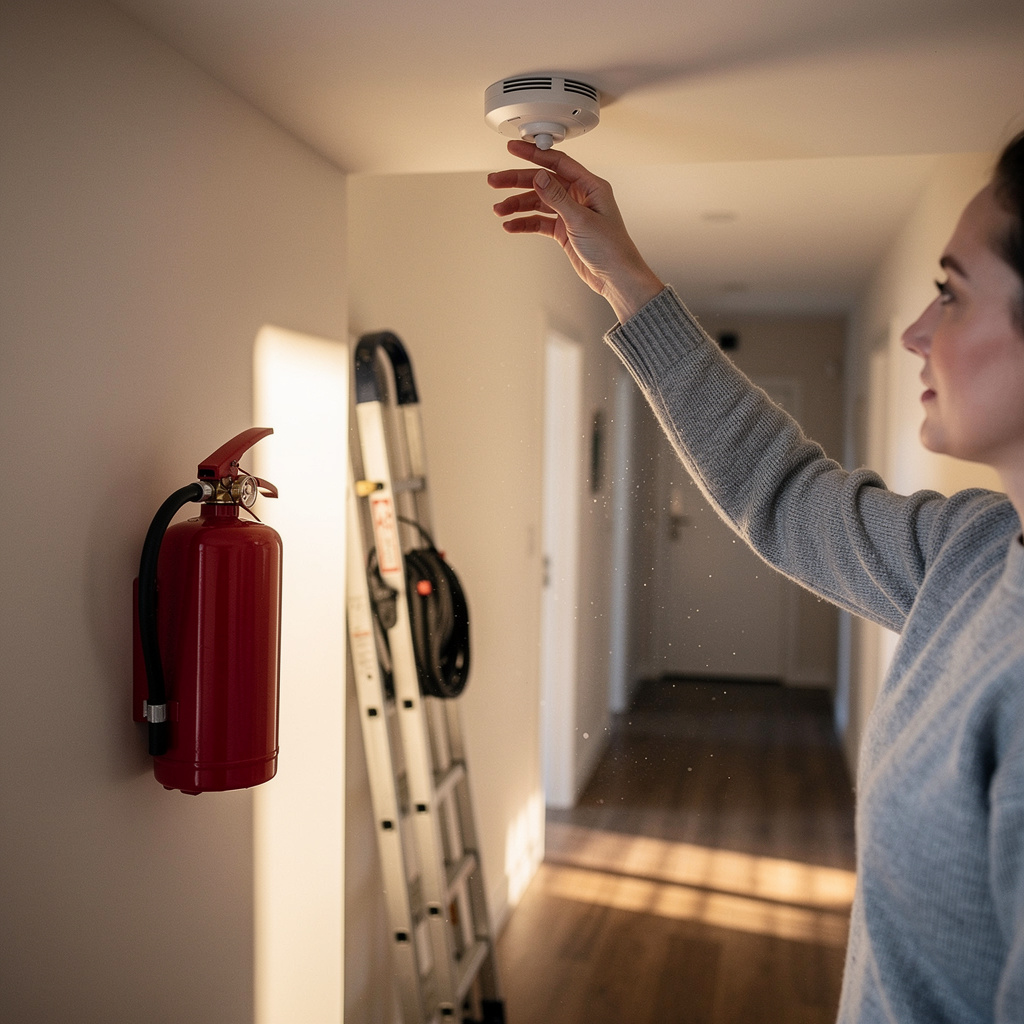
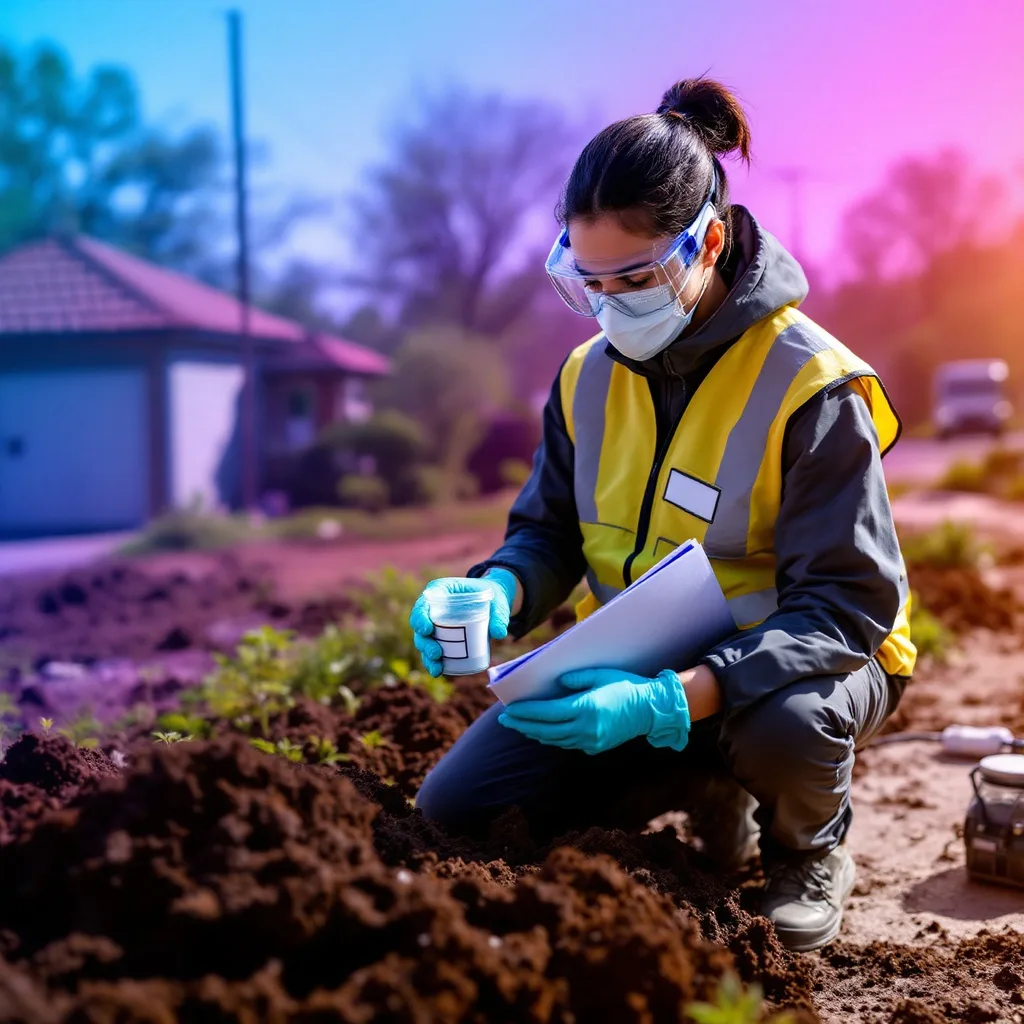
Environmental health is the branch of public health concerned with how the natural and built environments affect human health and disease. It encompasses the study of physical, chemical, and biological hazards in air, water, soil, food, and the places where people live and work. Core concepts include exposure pathways, toxicology, dose-response relationships, risk assessment, and the regulatory policies that aim to protect populations from environmental harm. The field also examines the health impacts of climate change, urbanization, and global contamination, making it inherently interdisciplinary and action-oriented.
Today, environmental health is more critical than ever as climate change intensifies heat waves, air pollution, and water scarcity, while rapid urbanization creates new challenges in housing, transportation, and waste management. Governments, industries, and international organizations rely on environmental health professionals to monitor contaminants, set safety standards, and develop mitigation strategies. Recent shifts include growing attention to environmental justice, the health effects of microplastics and endocrine disruptors, and the integration of health considerations into urban planning and climate adaptation policies.
Mastering environmental health builds a versatile skill stack that includes scientific literacy in toxicology and epidemiology, analytical abilities in risk assessment and data interpretation, and practical competencies in policy analysis and communication. These skills are directly applicable in roles such as environmental health officer, industrial hygienist, public health consultant, regulatory specialist, and sustainability coordinator. Beyond professional contexts, the knowledge empowers individuals to make informed decisions about their own environments, advocate for healthier communities, and contribute to global efforts to safeguard human health in a changing world.
Common Questions About Environmental Health
Does the Environmental Health certificate help with job applications?
Is this course suitable for beginners with no science background?
What are the three major categories of environmental hazards?
- Chemical hazards: Toxic substances such as pesticides, heavy metals, and industrial chemicals.
- Physical hazards: Factors like noise, radiation, extreme temperatures, and mechanical forces.
- Biological hazards: Pathogens including bacteria, viruses, fungi, and parasites.
How does the exposure pathway chain affect human health?
- Source
- Environmental media
- Point of exposure
- Route of entry
- Receptor
What is the difference between acute and chronic exposure in toxicology?
How do criteria air pollutants like PM2.5 impact health?
Is environmental health only about outdoor air pollution?
What Will This Course Bring You?
- Analyze the historical and scientific foundations of environmental health to identify key determinants of human health outcomes.
- Evaluate various exposure pathways (air, water, soil) and their contribution to human health risks in different populations.
- Apply dose-response principles to characterize the toxicity of environmental contaminants and predict health effects.
- Design a comprehensive risk assessment framework for a specific environmental hazard, including hazard identification and risk characterization.
- Evaluate the effectiveness of environmental health policies and regulations in mitigating population-level exposures.
- Analyze the sources and health impacts of major air pollutants to propose evidence-based mitigation strategies.
- Assess the direct and indirect health effects of climate change and design adaptation interventions for vulnerable communities.
Curriculum
12 Units1. Foundations of Environmental Health
1 hour
2. Exposure Pathways and Human Health
1 hour
3. Toxicology and Dose-Response
1 hour
4. Risk Assessment and Management
1 hour
5. Environmental Health Policy and Regulation
1 hour
6. Air Quality and Health
1 hour
7. Water Quality and Sanitation
1 hour
8. Food Safety and Foodborne Illness
1 hour
9. Built Environment and Urban Health
1 hour
10. Climate Change and Health
1 hour
11. Waste Management and Environmental Contamination
1 hour
12. Global Environmental Health and Emerging Issues
1 hour
Exam – Environmental Health
20 Questions • 70% Pass • 30 min
Unlock All Units for Free
Create an account, enroll in the course, and start with the first unit right away.
Exam – Environmental Health
20 Questions • Pass: 70% • 30 min
Course Duration
720
Total Minutes
12
Unit
1
Final Exam
~60
Min / Unit
Environmental Health Certificate Program
Document Your Skill
Those who pass the 20-question, 30-minute exam with 70% receive the Environmental Health Certificate.
Stand Out on Your CV
By adding your certificate to your CV, gain a professional reference in job applications and stand out from the crowd.
Career Advantage
With the verification code, employers can check your certificate instantly — a concrete way to show your growth.
CERTIFICATE FEE
At the end of the course, an online exam consisting of 20 questions with a 30-minute time limit is given. The exam appears automatically after you complete the topics. Anyone who scores at least 70 out of 100 on the certificate exam is awarded the Environmental Health Document (certificate of attendance). You can add the certificate you earn to your CV for job applications in the many sectors listed above, and use it as a reference proving that you took this interactive course.
The Certificate of Achievement you receive with the Environmental Health course program holds value that proves your personal and professional development in the business world. By adding it to your CV, it can serve as an important reference in your job applications. Moreover, compared with certificates from other private training institutions, Catch Wisdom certificates are offered to our participants at a much more affordable price.
The Environmental Health course certificate is a document that proves, with a unique verification code, that you completed the course. Employers can instantly check its authenticity with this code, which helps you show your development concretely in your job applications.
For more information, we recommend visiting the Support page.
Certificate in 7 Languages
Earning success certificates from our courses is now more meaningful and global. With certificates available in Turkish, English, German, French, Spanish, Arabic, and Russian, we fully unlock the potential of students worldwide.
Why Certificate in 7 Languages?
-
01
Global Skill Development
Receiving your certificates in 7 different languages strengthens your communication skills as you engage with more people worldwide. It lets you operate more confidently and capably on the international stage.
-
02
International Job Opportunities
Employers may see your certificates in multiple languages as a sign of your ability to seize global opportunities. You can open more doors to new jobs and projects.
-
03
Cultural Richness
The chance to earn certificates in different languages helps you build closer ties with various cultures and broadens your worldview. It enriches your global perspective and deepens cultural understanding.
-
04
Ability to Participate in International Projects
Multilingual certificates give you an edge to work more effectively on international projects. They boost your chances of leadership and participation in diverse projects in the business world.
-
05
Prove Yourself on the Global Stage
Certificates in multiple languages give you the opportunity to present your skills and knowledge worldwide.
Language diversity opens worldwide opportunities. If you want to prove yourself in the international arena, join our online Environmental Health course program and begin this journey with us.
Frequently Asked Questions (FAQ)
Is this course paid?
How do I join the course?
Can I take the course at my own pace?
How can I get my certificate?
What are the advantages of the certificate?
Boost Your Career
Take a new career step with the Environmental Health course. Add your certificate to your CV, stand out in job applications, and open the door to new opportunities in the industry.
StartStudent Reviews
No reviews yet
Enroll in this course and be the first to leave a review about your experience with Environmental Health.
Start