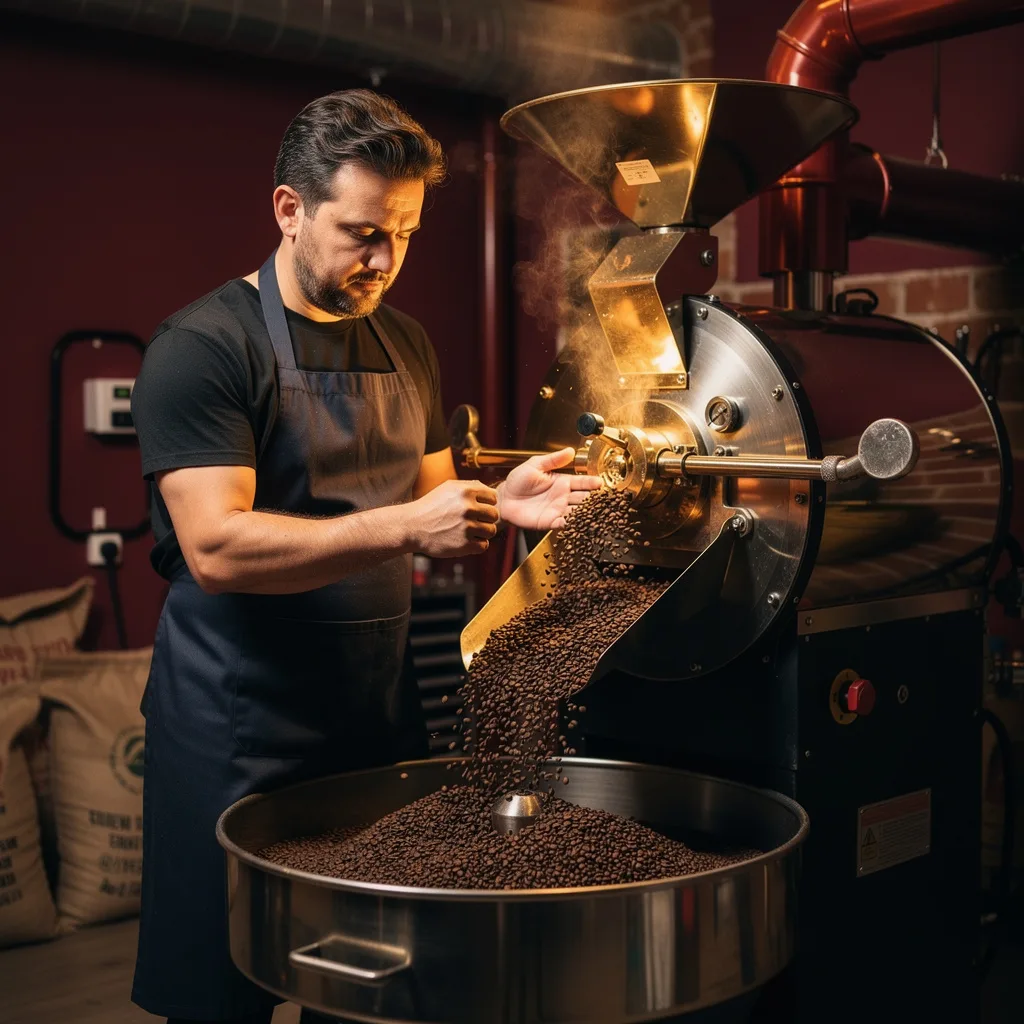
What is Food and Beverage Management?
Food and Beverage Management Certificate Program
Food and Beverage Management certificate program equips learners with the operational, financial, and leadership competencies needed to run food and beverage outlets effectively, from menu planning and kitchen production to beverage service, cost control, and sanitation standards. It is designed for aspiring restaurant managers, hospitality professionals, culinary entrepreneurs, and career-changers who want a structured path into F&B management. The main practical outcome is the ability to design a menu, manage purchasing and inventory, control costs, uphold hygiene and safety, and lead service teams to deliver consistent guest experiences. Learners also explore human resource management, marketing and revenue strategies, and sustainability trends that shape modern F&B operations.
The program is structured as a beginner-friendly progression that moves from foundational industry roles and menu fundamentals through kitchen operations, beverage management, and service delivery, then into purchasing, inventory, cost control, and sanitation, before finishing with human resources, marketing, and sustainability. It balances theoretical frameworks—such as pricing models, cost-control ratios, and revenue management principles—with practical applications like menu design exercises, storage audits, and service-quality assessments. Across the curriculum, learners build five core skill areas: operational planning, financial control, service and guest experience management, team leadership, and compliance with safety and hygiene standards. Choosing this program now is timely because F&B businesses face rising costs, labor shortages, and shifting guest expectations around sustainability and technology, making structured management training more valuable than ever.
What is Food and Beverage Management?
Food and beverage management is the discipline of planning, organizing, and controlling the resources and activities required to deliver food and drink services profitably and safely. Its scope spans menu development and pricing, kitchen production, beverage programs, service delivery, procurement and storage, cost control, hygiene, human resources, marketing, and sustainability. Core concepts include cost of goods sold, menu engineering, standard recipes, service quality, guest experience, and operational efficiency. The field applies to restaurants, hotels, catering companies, bars, cafés, institutional foodservice, and any operation where food and drink are central to the guest offer.
Food and beverage management matters today because the industry operates on thin margins and must constantly balance rising ingredient and labor costs with guest expectations for quality, convenience, and sustainability. In real life, these principles are used daily by managers who forecast demand, negotiate with suppliers, design menus that optimize profitability, and train staff to maintain hygiene and service standards. Recent shifts include the growth of delivery and digital ordering, increased scrutiny of food safety and allergen management, labor market pressures, and consumer demand for plant-based and locally sourced options. Academic programs and professional certifications increasingly emphasize data-driven revenue management, waste reduction, and ethical sourcing as core management competencies.
Mastering food and beverage management builds a skill stack that combines analytical budgeting and cost control with operational workflow design, service recovery, team scheduling, and compliance auditing. These skills are valuable in professional contexts such as restaurant management, hotel F&B departments, catering operations, and food retail, as well as in personal ventures like opening a café or managing a community kitchen. The subject also develops transferable capabilities in leadership, problem-solving under pressure, and customer experience design that apply across hospitality and service industries. Ultimately, fluency in F&B management enables individuals to make informed decisions that protect profitability, safeguard guests, and adapt to evolving market trends.
What Will This Course Bring You?
- Design a menu that aligns pricing, layout, and product mix with target market needs and kitchen production constraints.
- Evaluate kitchen workflow and production schedules to recommend changes that preserve food quality and service speed.
- Apply beverage management and service delivery principles to select, cost, and serve drinks while maintaining guest experience standards.
- Implement purchasing, receiving, inventory, and storage controls that protect product quality and reduce waste in food and beverage operations.
- Calculate food and beverage costs and evaluate cost-control reports to identify variances and recommend corrective pricing or portion actions.
- Build a sanitation and safety plan that applies hygiene standards, hazard controls, and regulatory requirements to food and beverage service areas.
- Develop staffing and training practices that align food and beverage team roles with service standards and legal employment requirements.
- Create a marketing and revenue management plan that uses menu engineering, pricing tactics, and guest experience strategies to improve profitability.
Curriculum
12 Units1. The Food and Beverage Industry and Management Roles
1 hour
2. Menu Planning, Design, and Pricing Fundamentals
1 hour
3. Food Production and Kitchen Operations Management
1 hour
4. Beverage Management and Service
1 hour
5. Service Delivery and Guest Experience Management
1 hour
6. Purchasing and Receiving in Food and Beverage Operations
1 hour
7. Inventory and Storage Management
1 hour
8. Food and Beverage Cost Control
1 hour
9. Sanitation, Safety, and Hygiene Standards
1 hour
10. Human Resource Management in Food and Beverage
1 hour
11. Marketing and Revenue Management for Food and Beverage
1 hour
12. Sustainability and Emerging Trends in Food and Beverage
1 hour
Exam – Food and Beverage Management
20 Questions • 70% Pass • 30 min
Unlock All Units for Free
Create an account, enroll in the course, and start with the first unit right away.
Exam – Food and Beverage Management
20 Questions • Pass: 70% • 30 min
Course Duration
720
Total Minutes
12
Unit
1
Final Exam
~60
Min / Unit
Food and Beverage Management Certificate Program
Document Your Skill
Those who pass the 20-question, 30-minute exam with 70% receive the Food and Beverage Management Certificate.
Stand Out on Your CV
By adding your certificate to your CV, gain a professional reference in job applications and stand out from the crowd.
Career Advantage
With the verification code, employers can check your certificate instantly — a concrete way to show your growth.
CERTIFICATE FEE
At the end of the course, an online exam consisting of 20 questions with a 30-minute time limit is given. The exam appears automatically after you complete the topics. Anyone who scores at least 70 out of 100 on the certificate exam is awarded the Food and Beverage Management Document (certificate of attendance). You can add the certificate you earn to your CV for job applications in the many sectors listed above, and use it as a reference proving that you took this interactive course.
The Certificate of Achievement you receive with the Food and Beverage Management course program holds value that proves your personal and professional development in the business world. By adding it to your CV, it can serve as an important reference in your job applications. Moreover, compared with certificates from other private training institutions, Catch Wisdom certificates are offered to our participants at a much more affordable price.
The Food and Beverage Management course certificate is a document that proves, with a unique verification code, that you completed the course. Employers can instantly check its authenticity with this code, which helps you show your development concretely in your job applications.
For more information, we recommend visiting the Support page.
Certificate in 7 Languages
Earning success certificates from our courses is now more meaningful and global. With certificates available in Turkish, English, German, French, Spanish, Arabic, and Russian, we fully unlock the potential of students worldwide.
Why Certificate in 7 Languages?
-
01
Global Skill Development
Receiving your certificates in 7 different languages strengthens your communication skills as you engage with more people worldwide. It lets you operate more confidently and capably on the international stage.
-
02
International Job Opportunities
Employers may see your certificates in multiple languages as a sign of your ability to seize global opportunities. You can open more doors to new jobs and projects.
-
03
Cultural Richness
The chance to earn certificates in different languages helps you build closer ties with various cultures and broadens your worldview. It enriches your global perspective and deepens cultural understanding.
-
04
Ability to Participate in International Projects
Multilingual certificates give you an edge to work more effectively on international projects. They boost your chances of leadership and participation in diverse projects in the business world.
-
05
Prove Yourself on the Global Stage
Certificates in multiple languages give you the opportunity to present your skills and knowledge worldwide.
Language diversity opens worldwide opportunities. If you want to prove yourself in the international arena, join our online Food and Beverage Management course program and begin this journey with us.
Frequently Asked Questions (FAQ)
Is this course paid?
How do I join the course?
Can I take the course at my own pace?
How can I get my certificate?
What are the advantages of the certificate?
Boost Your Career
Take a new career step with the Food and Beverage Management course. Add your certificate to your CV, stand out in job applications, and open the door to new opportunities in the industry.
StartStudent Reviews
No reviews yet
Enroll in this course and be the first to leave a review about your experience with Food and Beverage Management.
Start