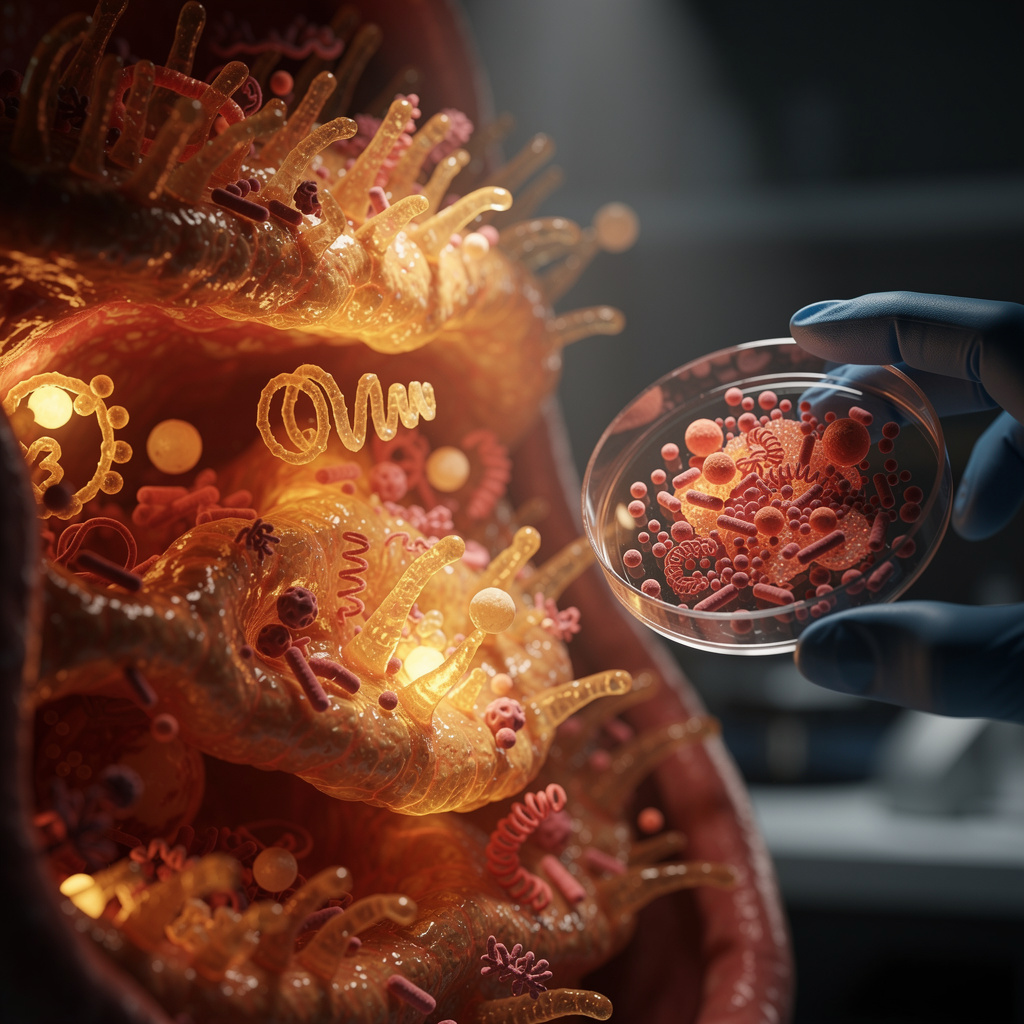
What is Gut Microbiome Science?
Gut Microbiome Science Training
The Gut Microbiome Science certificate program offers an in-depth exploration of the trillions of microorganisms residing in the human gut. This course teaches the foundational principles of microbial ecology, advanced analytical methods, and the intricate relationships between the microbiome and host physiology. It is designed for healthcare professionals, researchers, and biotech enthusiasts seeking to apply microbiome science in clinical or research settings. By the end, participants will be able to interpret microbiome data, evaluate therapeutic interventions, and design evidence-based strategies for microbiome modulation.
The program progresses from core concepts to cutting-edge applications, ensuring accessibility for beginners while offering depth for experienced practitioners. It balances theoretical knowledge with practical case studies, covering key skill areas such as microbial diversity analysis, host-microbe interactions, clinical dysbiosis assessment, and emerging therapeutic approaches. With the microbiome field rapidly evolving, this training equips you with the most current insights and tools to stay ahead in this transformative discipline.
What is Gut Microbiome Science?
Gut microbiome science is the study of the complex community of bacteria, viruses, fungi, and other microorganisms that inhabit the gastrointestinal tract. It encompasses the diversity, composition, and functional roles of these microbes, as well as their interactions with the host. Core concepts include microbial ecology, metagenomics, metabolic pathways, and the bidirectional communication between the gut and the brain.
In recent years, the gut microbiome has emerged as a critical factor in human health, influencing digestion, immunity, metabolism, and even mental health. Advances in high-throughput sequencing and bioinformatics have enabled unprecedented insights into microbial communities, leading to breakthroughs in disease prevention and treatment. The field is now central to personalized medicine, with applications in diagnostics, probiotics, and fecal microbiota transplantation, and is a major focus of pharmaceutical and nutritional research.
Mastering gut microbiome science builds a multidisciplinary skill set that integrates microbiology, molecular biology, data analysis, and clinical reasoning. This knowledge empowers professionals to contribute to innovative research, develop targeted therapies, and make informed decisions in healthcare and wellness industries. Whether you are a clinician, researcher, or industry professional, understanding the microbiome opens doors to advancing human health in a rapidly expanding field.
Common Questions About Gut Microbiome Science
Can a beginner start the gut microbiome science course?
How does a gut microbiome certificate boost my resume?
How does 16S rRNA profiling differ from shotgun metagenomics?
- 16S rRNA profiling: Targeted, cost-effective, and ideal for taxonomic identification, but it does not reveal functional potential.
- Shotgun metagenomics: Untargeted, more comprehensive, and can uncover metabolic pathways and strain-level differences, but it is more expensive and computationally intensive.
Why are short-chain fatty acids key to host physiology?
How does the vagus nerve connect the gut and brain?
What is the common mistake when interpreting dysbiosis?
Is the gut microbiome really a 'second brain'?
What Will This Course Bring You?
- Explain the core composition and ecological principles of the human gut microbiome.
- Apply metagenomic and 16S rRNA sequencing methods to characterize microbial diversity.
- Evaluate how microbial colonization and succession change across the human lifespan.
- Analyze the role of gut microbes in host metabolic pathways, including short-chain fatty acid production.
- Assess the bidirectional signaling mechanisms of the gut-brain axis and their physiological effects.
- Describe how the gut microbiome modulates innate and adaptive immune system functions.
- Evaluate associations between gut dysbiosis and metabolic, inflammatory, and neurological diseases.
- Design dietary and lifestyle interventions to favorably modulate the gut microbiome composition.
Curriculum
12 Units1. Foundations of the Gut Microbiome
1 hour
2. Microbial Diversity and Analytical Methods
1 hour
3. Colonization and Development Across the Lifespan
1 hour
4. Metabolic Functions and Host Physiology
1 hour
5. The Gut-Brain Axis
1 hour
6. The Microbiome and Immune System
1 hour
7. Dysbiosis and Disease Associations
1 hour
8. Modulators of the Microbiome: Diet, Antibiotics, and Lifestyle
1 hour
9. Probiotics, Prebiotics, and Synbiotics
1 hour
10. Fecal Microbiota Transplantation and Advanced Therapies
1 hour
11. Microbiome in Personalized Medicine and Diagnostics
1 hour
12. Future Directions and Ethical Considerations
1 hour
Exam – Gut Microbiome Science
20 Questions • 70% Pass • 30 min
Unlock All Units for Free
Create an account, enroll in the course, and start with the first unit right away.
Exam – Gut Microbiome Science
20 Questions • Pass: 70% • 30 min
Course Duration
720
Total Minutes
12
Unit
1
Final Exam
~60
Min / Unit
Gut Microbiome Science Certificate Program
Document Your Skill
Those who pass the 20-question, 30-minute exam with 70% receive the Gut Microbiome Science Certificate.
Stand Out on Your CV
By adding your certificate to your CV, gain a professional reference in job applications and stand out from the crowd.
Career Advantage
Catch Wisdom certificates are recognized by HR departments and increase career opportunities.
CERTIFICATE FEE
At the end of the course, an online exam consisting of 20 questions with a 30-minute time limit is given. The exam appears automatically after you complete the topics. Anyone who scores at least 70 out of 100 on the certificate exam is awarded the Gut Microbiome Science Document (certificate of attendance). You can add the certificate you earn to your CV for job applications in the many sectors listed above, and use it as a reference proving that you took this interactive course.
The Certificate of Achievement you receive with the Gut Microbiome Science course program holds value that proves your personal and professional development in the business world. By adding it to your CV, it can serve as an important reference in your job applications. Moreover, compared with certificates from other private training institutions, Catch Wisdom certificates are offered to our participants at a much more affordable price.
Because HR departments recognize Catch Wisdom as a reputable institution in this field, they value these certificates and may evaluate your job applications favorably. For this reason, a Gut Microbiome Science course certificate from Catch Wisdom can make your applications more attractive and place you in an advantageous position in the business world.
For more information, we recommend visiting the Support page.
Certificate in 7 Languages
Earning success certificates from our courses is now more meaningful and global. With certificates available in Turkish, English, German, French, Spanish, Arabic, and Russian, we fully unlock the potential of students worldwide.
Why Certificate in 7 Languages?
-
01
Global Skill Development
Receiving your certificates in 7 different languages strengthens your communication skills as you engage with more people worldwide. It lets you operate more confidently and capably on the international stage.
-
02
International Job Opportunities
Employers may see your certificates in multiple languages as a sign of your ability to seize global opportunities. You can open more doors to new jobs and projects.
-
03
Cultural Richness
The chance to earn certificates in different languages helps you build closer ties with various cultures and broadens your worldview. It enriches your global perspective and deepens cultural understanding.
-
04
Ability to Participate in International Projects
Multilingual certificates give you an edge to work more effectively on international projects. They boost your chances of leadership and participation in diverse projects in the business world.
-
05
Prove Yourself on the Global Stage
Certificates in multiple languages let you showcase your skills and knowledge worldwide. You can become an internationally recognized professional.
Language diversity opens worldwide opportunities. If you want to prove yourself in the international arena, join our online Gut Microbiome Science course program and begin this journey with us.
Frequently Asked Questions (FAQ)
Is this course paid?
How do I join the course?
Can I take the course at my own pace?
How can I get my certificate?
What are the advantages of the Certified Certificate?
Boost Your Career
Take a new career step with the Gut Microbiome Science course. Add your certificate to your CV, stand out in job applications, and open the door to new opportunities in the industry.
StartStudent Reviews
No reviews yet
Enroll in this course and be the first to leave a review about your experience with Gut Microbiome Science.
Start