What is Interior Design and Decoration?
Interior Design and Decoration Certificate Program
The Interior Design and Decoration certificate program teaches the complete process of transforming interior spaces through design principles, color theory, space planning, and material selection. It is designed for aspiring interior designers, homeowners, and professionals seeking to formalize their skills, with the main practical outcome being the ability to conceptualize and execute cohesive interior projects from initial brief to final styling. The program covers foundational concepts like balance, proportion, and rhythm, then builds into specialized areas such as lighting design, textiles, and sustainable practices, ensuring learners can create functional and aesthetically pleasing environments.
The program is structured as a beginner-friendly progression that balances theoretical knowledge with hands-on application, moving from core principles to room-specific design and culminating in a final project and portfolio. It builds five key skill areas: visual composition (through color theory and styles), spatial reasoning (via space planning and layout), material expertise (finishes, textiles, and furniture), technical proficiency (lighting and project management), and ethical awareness (eco-friendly design). With the growing demand for personalized and sustainable interiors, this program offers timely, practical training that empowers learners to confidently design residential or commercial spaces while building a professional portfolio.
What is Interior Design and Decoration?
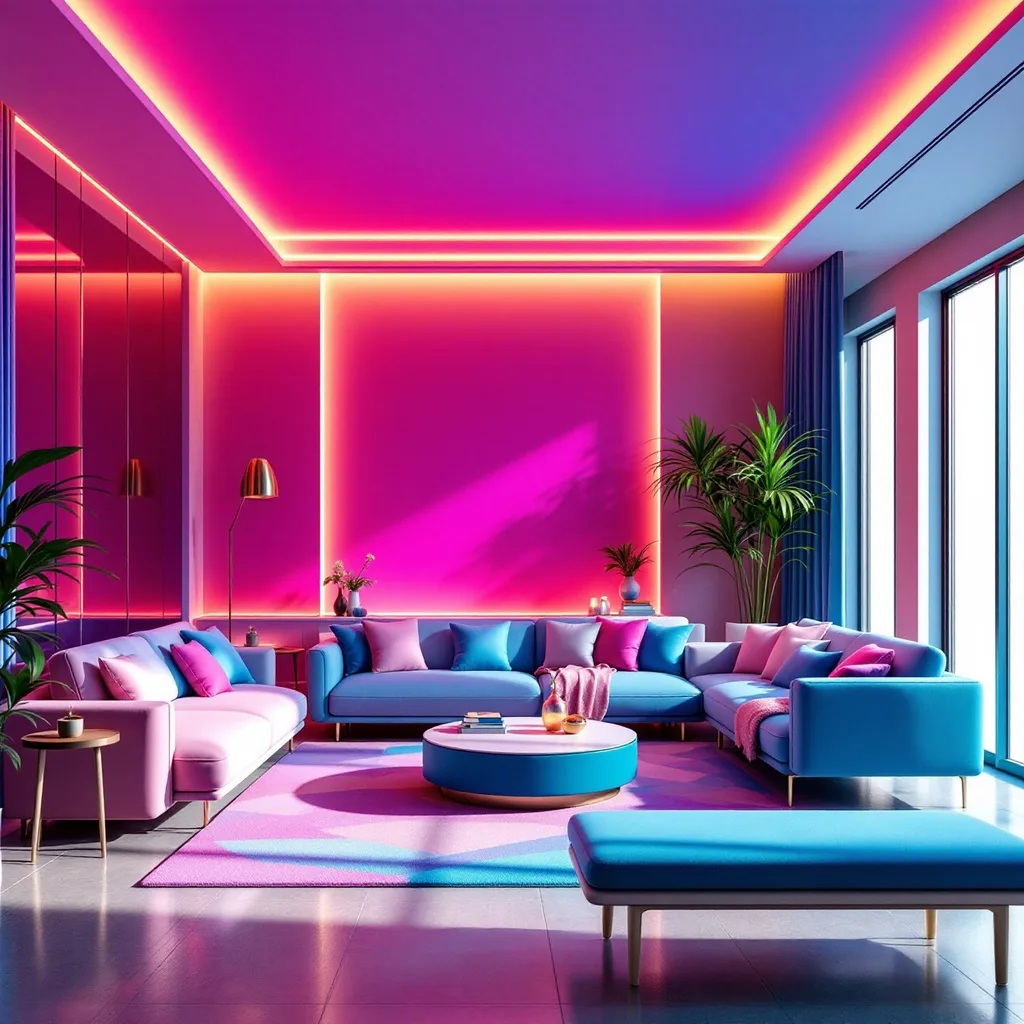
Interior design and decoration is the art and science of enhancing interior spaces to achieve a healthier, more aesthetically pleasing environment for occupants. It encompasses the selection of color palettes, furniture, lighting, materials, and finishes, guided by core concepts such as balance, harmony, scale, and functionality. Unlike mere decoration, interior design integrates spatial planning, ergonomics, and building codes to create spaces that are both beautiful and livable, addressing everything from traffic flow to psychological comfort.
Today, interior design and decoration matters more than ever as people spend the majority of their time indoors and seek environments that support well-being, productivity, and sustainability. The field is experiencing a shift toward biophilic design, smart home integration, and adaptive reuse of materials, making it highly relevant in residential, hospitality, healthcare, and corporate sectors. Real-world applications range from optimizing small apartments to designing net-zero offices, with industry trends emphasizing personalization and environmental responsibility.
Mastering interior design and decoration builds a versatile skill stack that includes visual literacy, technical drafting, material science, and project management. These competencies benefit professionals pursuing careers as interior designers, stylists, or home stagers, as well as homeowners and entrepreneurs looking to renovate or launch design-related businesses. The subject also fosters creative problem-solving and client communication, making it valuable for anyone who wants to transform spaces with confidence and intention.
Common Questions About Interior Design and Decoration
Can I start this interior design course with no experience?
What does the certificate in interior design add to my CV?
How do you apply balance and rhythm in a small room?
What are the six essential color schemes in interior design?
- Monochromatic: variations of a single hue for a harmonious look.
- Analogous: colors next to each other on the color wheel, creating a serene palette.
- Complementary: opposite colors for high contrast and energy.
- Split-Complementary: a base color plus two adjacent to its complement, offering contrast with less tension.
- Triadic: three evenly spaced colors on the wheel, vibrant yet balanced.
- Tetradic (Double-Complementary): two complementary pairs, rich and complex.
Why is space planning more important than decor?
How do you zone an open plan without walls?
Is it true that white walls always make a room look bigger?
What Will This Course Bring You?
- Apply the fundamental principles of balance, proportion, and harmony to create cohesive interior spaces.
- Select and combine color schemes using color theory to evoke specific moods and enhance spatial perception.
- Develop functional floor plans that optimize traffic flow, furniture placement, and spatial efficiency for various room types.
- Design layered lighting plans that integrate ambient, task, and accent lighting to improve functionality and aesthetics.
- Evaluate and specify appropriate materials and finishes based on durability, maintenance, and visual impact.
- Implement eco-friendly design strategies by selecting sustainable materials and energy-efficient solutions.
- Create a comprehensive project budget and timeline to manage interior design projects from concept to completion.
- Produce a professional portfolio showcasing a complete interior design project that demonstrates mastery of design principles and techniques.
Curriculum
12 Units1. Principles of Interior Design
1 hour
2. Color Theory and Application
1 hour
3. Space Planning and Layout
1 hour
4. Furniture and Accessories
1 hour
5. Materials and Finishes
1 hour
6. Lighting Design
1 hour
7. Textiles and Soft Furnishings
1 hour
8. Interior Design Styles
1 hour
9. Designing for Different Rooms
1 hour
10. Project Management and Budgeting
1 hour
11. Sustainable and Eco-Friendly Design
1 hour
12. Final Project and Portfolio
1 hour
Exam – Interior Design and Decoration
20 Questions • 70% Pass • 30 min
Unlock All Units for Free
Create an account, enroll in the course, and start with the first unit right away.
Exam – Interior Design and Decoration
20 Questions • Pass: 70% • 30 min
Course Duration
720
Total Minutes
12
Unit
1
Final Exam
~60
Min / Unit
Interior Design and Decoration Certificate Program
Document Your Skill
Those who pass the 20-question, 30-minute exam with 70% receive the Interior Design and Decoration Certificate.
Stand Out on Your CV
By adding your certificate to your CV, gain a professional reference in job applications and stand out from the crowd.
Career Advantage
With the verification code, employers can check your certificate instantly — a concrete way to show your growth.
CERTIFICATE FEE
At the end of the course, an online exam consisting of 20 questions with a 30-minute time limit is given. The exam appears automatically after you complete the topics. Anyone who scores at least 70 out of 100 on the certificate exam is awarded the Interior Design and Decoration Document (certificate of attendance). You can add the certificate you earn to your CV for job applications in the many sectors listed above, and use it as a reference proving that you took this interactive course.
The Certificate of Achievement you receive with the Interior Design and Decoration course program holds value that proves your personal and professional development in the business world. By adding it to your CV, it can serve as an important reference in your job applications. Moreover, compared with certificates from other private training institutions, Catch Wisdom certificates are offered to our participants at a much more affordable price.
The Interior Design and Decoration course certificate is a document that proves, with a unique verification code, that you completed the course. Employers can instantly check its authenticity with this code, which helps you show your development concretely in your job applications.
For more information, we recommend visiting the Support page.
Certificate in 7 Languages
Earning success certificates from our courses is now more meaningful and global. With certificates available in Turkish, English, German, French, Spanish, Arabic, and Russian, we fully unlock the potential of students worldwide.
Why Certificate in 7 Languages?
-
01
Global Skill Development
Receiving your certificates in 7 different languages strengthens your communication skills as you engage with more people worldwide. It lets you operate more confidently and capably on the international stage.
-
02
International Job Opportunities
Employers may see your certificates in multiple languages as a sign of your ability to seize global opportunities. You can open more doors to new jobs and projects.
-
03
Cultural Richness
The chance to earn certificates in different languages helps you build closer ties with various cultures and broadens your worldview. It enriches your global perspective and deepens cultural understanding.
-
04
Ability to Participate in International Projects
Multilingual certificates give you an edge to work more effectively on international projects. They boost your chances of leadership and participation in diverse projects in the business world.
-
05
Prove Yourself on the Global Stage
Certificates in multiple languages give you the opportunity to present your skills and knowledge worldwide.
Language diversity opens worldwide opportunities. If you want to prove yourself in the international arena, join our online Interior Design and Decoration course program and begin this journey with us.
Frequently Asked Questions (FAQ)
Is this course paid?
How do I join the course?
Can I take the course at my own pace?
How can I get my certificate?
What are the advantages of the certificate?
Boost Your Career
Take a new career step with the Interior Design and Decoration course. Add your certificate to your CV, stand out in job applications, and open the door to new opportunities in the industry.
StartStudent Reviews
No reviews yet
Enroll in this course and be the first to leave a review about your experience with Interior Design and Decoration.
Start