What is Introduction to Geophysics?
Introduction to Geophysics Certificate Program
The Introduction to Geophysics certificate program gives learners a working command of how seismic waves, gravity and magnetic fields, electrical and electromagnetic signals, heat flow, and radiometric dating are used to investigate Earth’s interior, tectonic activity, and subsurface conditions. It is built for students and professionals in geology, environmental science, civil engineering, energy, and resource management who need a rigorous but accessible entry point into geophysical methods. The main practical outcome is the ability to interpret basic geophysical datasets and choose appropriate survey techniques for exploration, environmental, and engineering problems. Learners also gain the conceptual grounding to connect plate tectonics, earthquakes, and geothermal systems with the measurements geophysicists collect in the field.
The program moves from foundational material—Earth’s structure, plate tectonics, and seismic wave behavior—into applied topics such as seismic refraction and reflection, gravity and magnetics, electrical and electromagnetic methods, heat flow, geochronology, inversion, and resource or environmental exploration. This beginner-friendly progression balances theory with practical interpretation so that participants can move from understanding physical principles to evaluating real survey scenarios. Across the lessons, five core skill areas are developed: physical reasoning about Earth systems, seismic data interpretation, potential-field and electrical method selection, quantitative inversion, and field-oriented problem solving. Choosing this program now makes sense because geophysics is central to energy transition planning, geothermal development, critical mineral exploration, hazard assessment, and environmental site characterization.
What is Introduction to Geophysics?
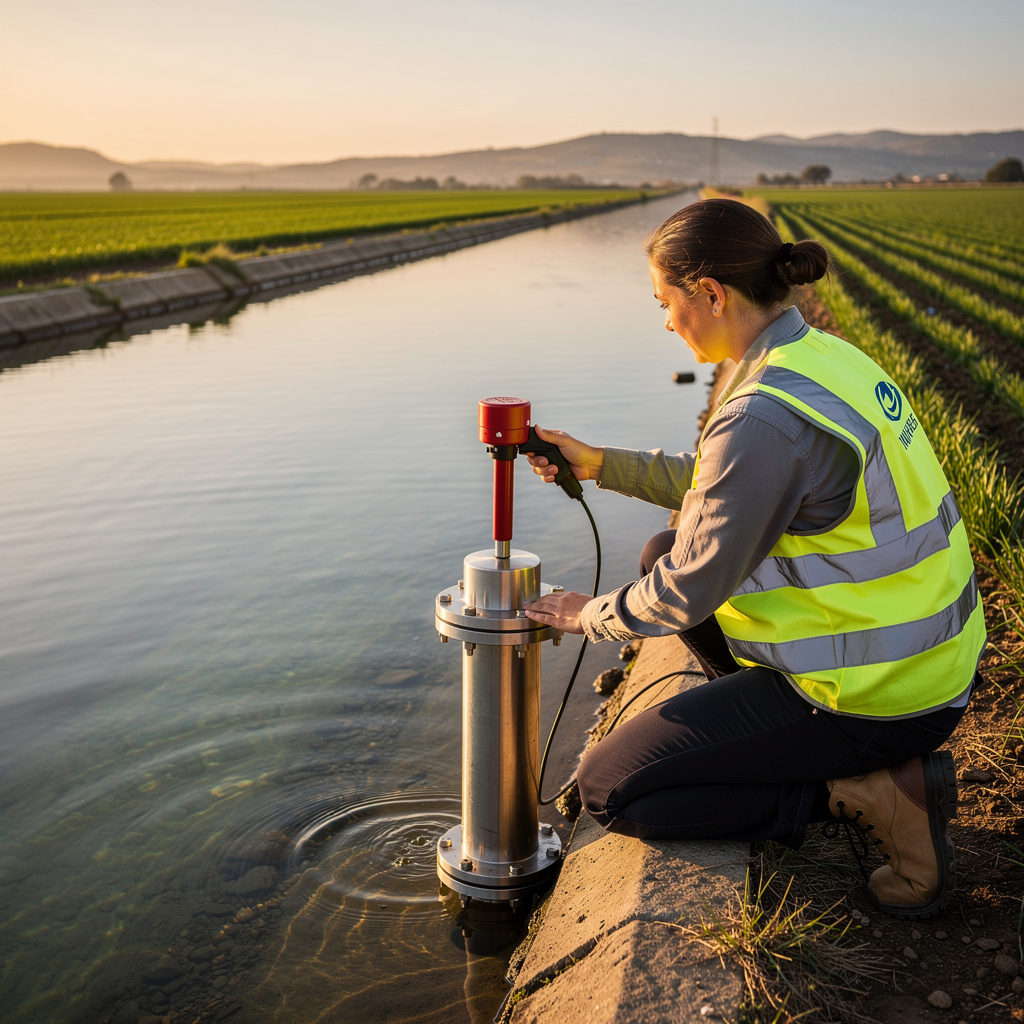
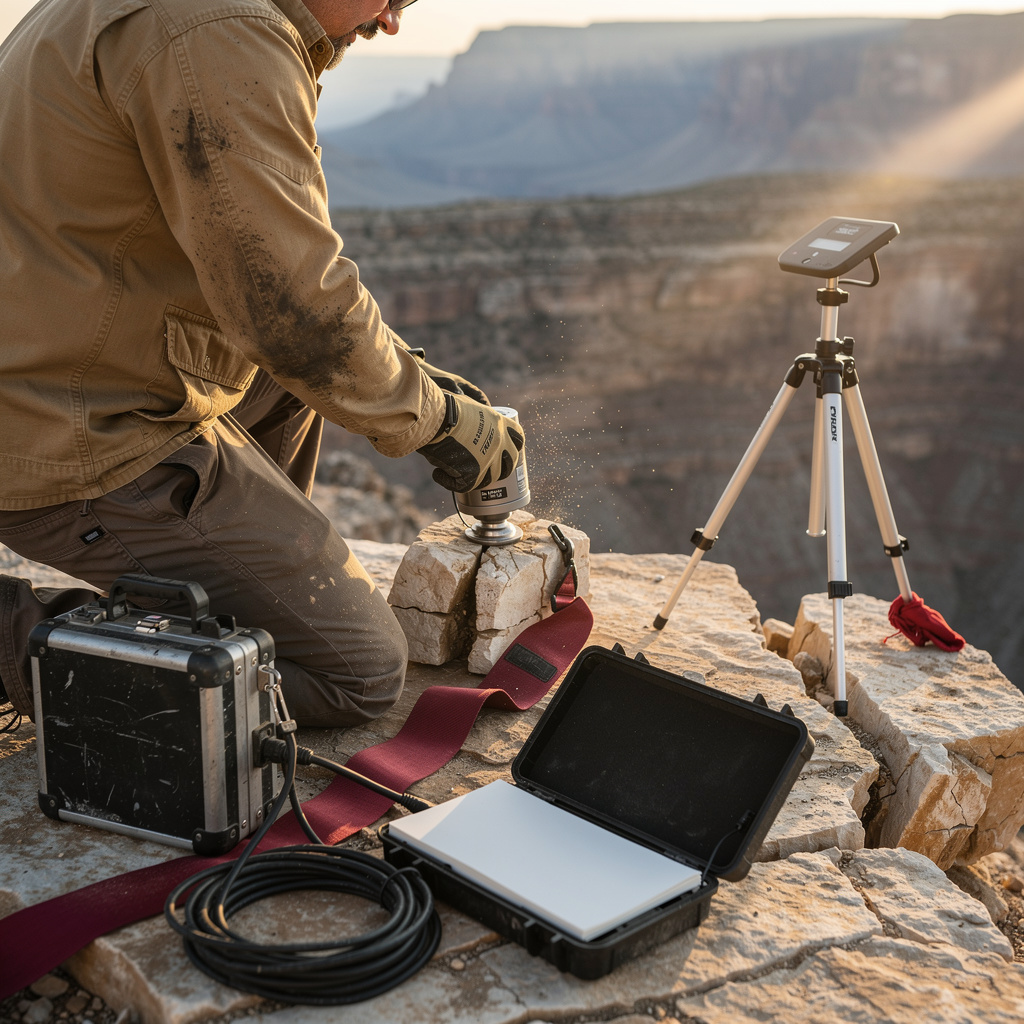
Geophysics is the branch of Earth science that applies physical principles and measurement techniques to study the solid Earth, its interior, and the processes that shape it. Its scope ranges from global-scale questions about plate tectonics, mantle convection, and earthquake generation to near-surface investigations of soil, groundwater, buried utilities, and contaminated sites. Core concepts include seismic wave propagation, gravity and magnetic fields, electrical conductivity, heat transfer, radioactive decay, and the mathematical inversion of measured data into subsurface models. Practitioners combine field observation, instrumentation, computational modeling, and geological interpretation to infer what cannot be seen directly.
Geophysics matters today because societies need reliable information about seismic hazards, groundwater resources, geothermal reservoirs, mineral deposits, and stable sites for infrastructure and carbon storage. In industry it supports oil and gas exploration, mining, engineering site assessment, environmental consulting, and renewable energy development, while in academia it underpins research on Earth’s deep interior and planetary evolution. Recent shifts toward denser sensor networks, machine learning, joint inversion, and integrated remote sensing are changing how geophysical data are acquired and interpreted. These developments make geophysical literacy increasingly valuable for decisions about resource use, hazard resilience, and the energy transition.
Mastering geophysics builds a skill stack that combines quantitative modeling, data analysis, uncertainty assessment, survey design, and cross-disciplinary communication with geology and engineering. These capabilities support professional contexts such as exploration geology, environmental remediation, civil engineering, geothermal project development, hazard monitoring, and policy analysis for resource management. The same knowledge benefits educators, citizen scientists, and community planners who need to understand how subsurface information is gathered and what its limitations are. Because geophysical claims often inform high-stakes decisions, the ability to reason critically about models, resolution, and uncertainty is both a technical and a civic asset.
What Will This Course Bring You?
- Differentiate geophysical methods from geological and geochemical approaches by explaining the physical principles used to image Earth.
- Analyze earthquake seismograms and seismic wave behavior to locate events and evaluate Earth's interior structure.
- Explain plate tectonic processes and geodynamic evidence to interpret global earthquake, volcano, and mountain belt distributions.
- Interpret seismic refraction and reflection profiles to infer subsurface layer velocities, depths, and geologic structures relevant to exploration.
- Apply gravity and magnetic survey data to identify density and susceptibility anomalies associated with subsurface geological targets.
- Evaluate electrical and electromagnetic methods for characterizing groundwater, contamination, and shallow engineering conditions.
- Apply radiometric dating principles to interpret rock ages and constrain geochronological histories in geophysical investigations.
- Design a geophysical exploration workflow that selects appropriate methods, applies inversion, and evaluates heat flow for subsurface resource models.
Curriculum
12 Units1. What Geophysics Is and How It Works
1 hour
2. Earth's Interior Structure and Composition
1 hour
3. Plate Tectonics and Global Geodynamics
1 hour
4. Seismic Waves and Earthquakes
1 hour
5. Seismic Refraction and Reflection Methods
1 hour
6. Gravity and Magnetic Methods
1 hour
7. Electrical and Electromagnetic Methods
1 hour
8. Heat Flow and Geothermal Systems
1 hour
9. Radiometric Dating and Geochronology
1 hour
10. Geophysical Exploration and Inversion
1 hour
11. Environmental and Engineering Geophysics
1 hour
12. Geophysics in Energy and Resource Exploration
1 hour
Exam – Introduction to Geophysics
20 Questions • 70% Pass • 30 min
Unlock All Units for Free
Create an account, enroll in the course, and start with the first unit right away.
Exam – Introduction to Geophysics
20 Questions • Pass: 70% • 30 min
Course Duration
720
Total Minutes
12
Unit
1
Final Exam
~60
Min / Unit
Introduction to Geophysics Certificate Program
Document Your Skill
Those who pass the 20-question, 30-minute exam with 70% receive the Introduction to Geophysics Certificate.
Stand Out on Your CV
By adding your certificate to your CV, gain a professional reference in job applications and stand out from the crowd.
Career Advantage
With the verification code, employers can check your certificate instantly — a concrete way to show your growth.
CERTIFICATE FEE
At the end of the course, an online exam consisting of 20 questions with a 30-minute time limit is given. The exam appears automatically after you complete the topics. Anyone who scores at least 70 out of 100 on the certificate exam is awarded the Introduction to Geophysics Document (certificate of attendance). You can add the certificate you earn to your CV for job applications in the many sectors listed above, and use it as a reference proving that you took this interactive course.
The Certificate of Achievement you receive with the Introduction to Geophysics course program holds value that proves your personal and professional development in the business world. By adding it to your CV, it can serve as an important reference in your job applications. Moreover, compared with certificates from other private training institutions, Catch Wisdom certificates are offered to our participants at a much more affordable price.
The Introduction to Geophysics course certificate is a document that proves, with a unique verification code, that you completed the course. Employers can instantly check its authenticity with this code, which helps you show your development concretely in your job applications.
For more information, we recommend visiting the Support page.
Certificate in 7 Languages
Earning success certificates from our courses is now more meaningful and global. With certificates available in Turkish, English, German, French, Spanish, Arabic, and Russian, we fully unlock the potential of students worldwide.
Why Certificate in 7 Languages?
-
01
Global Skill Development
Receiving your certificates in 7 different languages strengthens your communication skills as you engage with more people worldwide. It lets you operate more confidently and capably on the international stage.
-
02
International Job Opportunities
Employers may see your certificates in multiple languages as a sign of your ability to seize global opportunities. You can open more doors to new jobs and projects.
-
03
Cultural Richness
The chance to earn certificates in different languages helps you build closer ties with various cultures and broadens your worldview. It enriches your global perspective and deepens cultural understanding.
-
04
Ability to Participate in International Projects
Multilingual certificates give you an edge to work more effectively on international projects. They boost your chances of leadership and participation in diverse projects in the business world.
-
05
Prove Yourself on the Global Stage
Certificates in multiple languages give you the opportunity to present your skills and knowledge worldwide.
Language diversity opens worldwide opportunities. If you want to prove yourself in the international arena, join our online Introduction to Geophysics course program and begin this journey with us.
Frequently Asked Questions (FAQ)
Is this course paid?
How do I join the course?
Can I take the course at my own pace?
How can I get my certificate?
What are the advantages of the certificate?
Boost Your Career
Take a new career step with the Introduction to Geophysics course. Add your certificate to your CV, stand out in job applications, and open the door to new opportunities in the industry.
StartStudent Reviews
No reviews yet
Enroll in this course and be the first to leave a review about your experience with Introduction to Geophysics.
Start