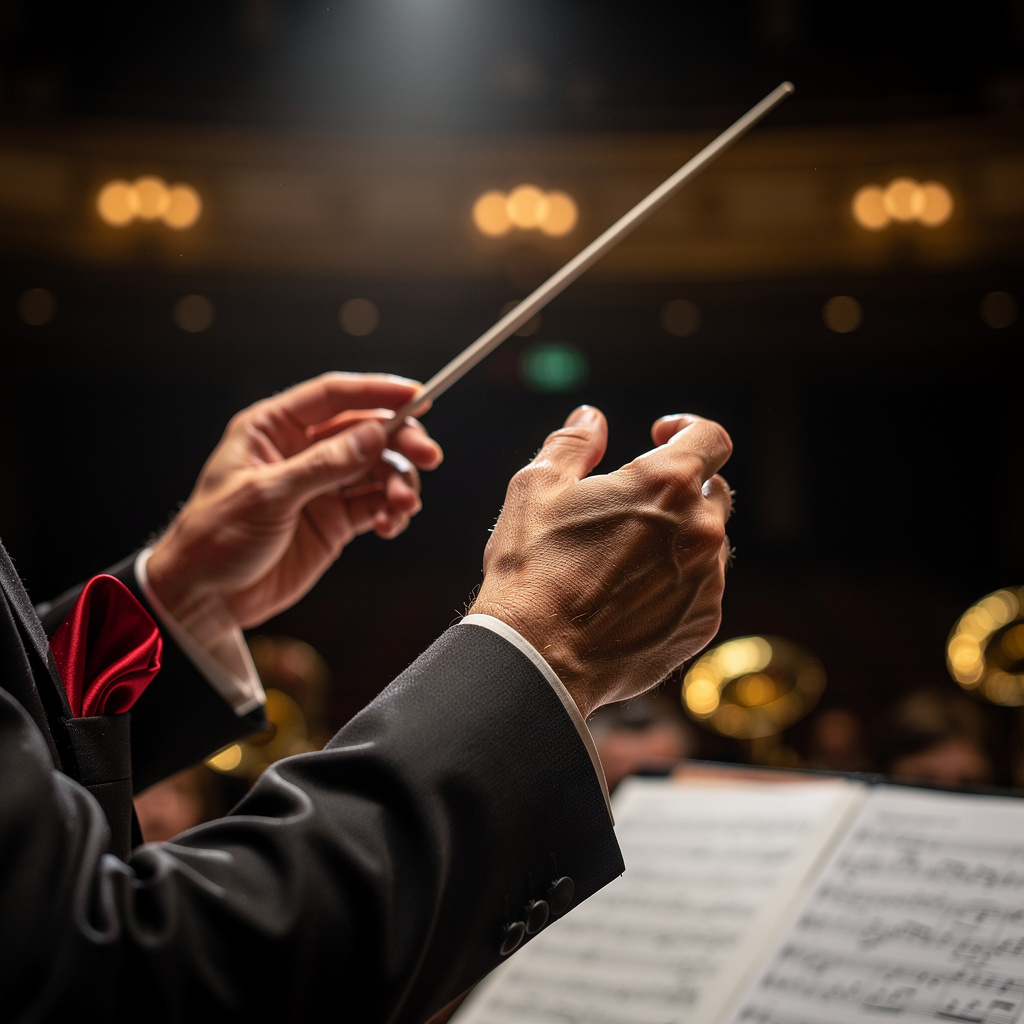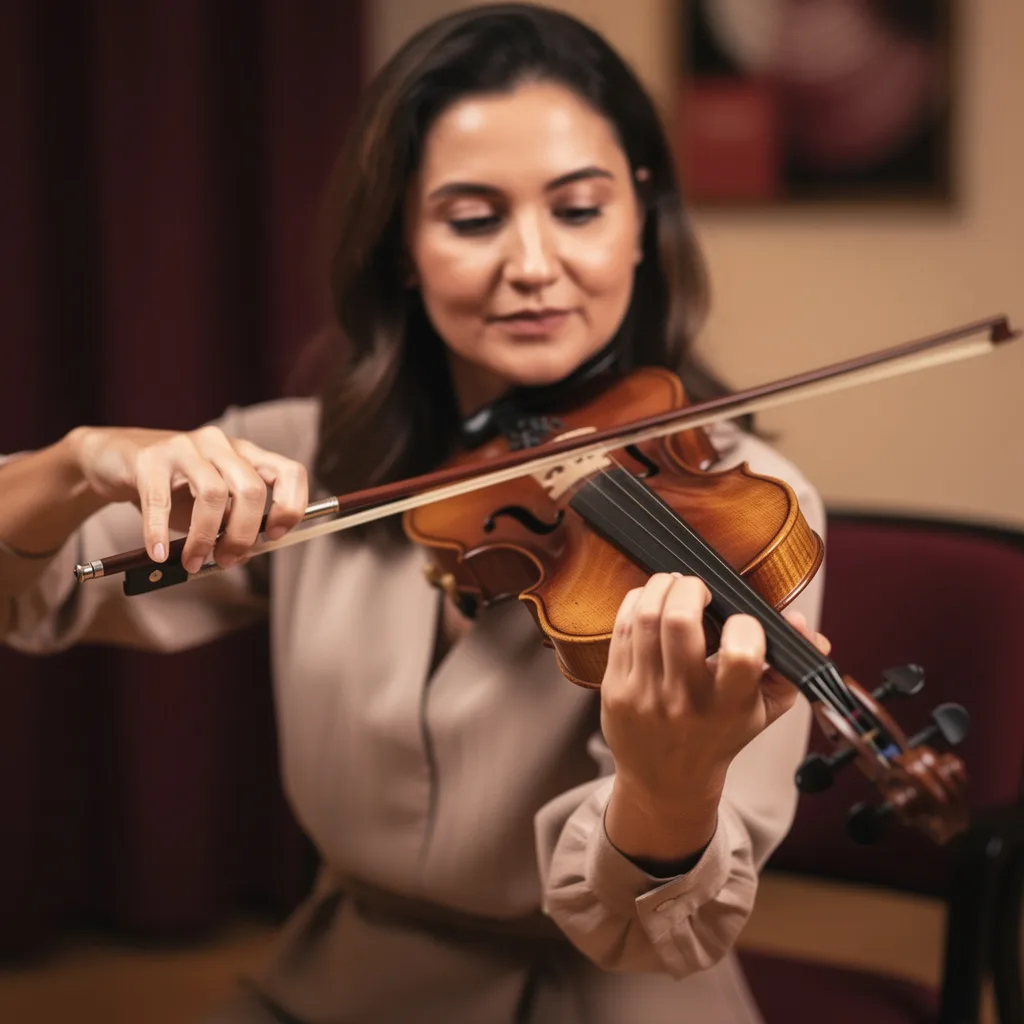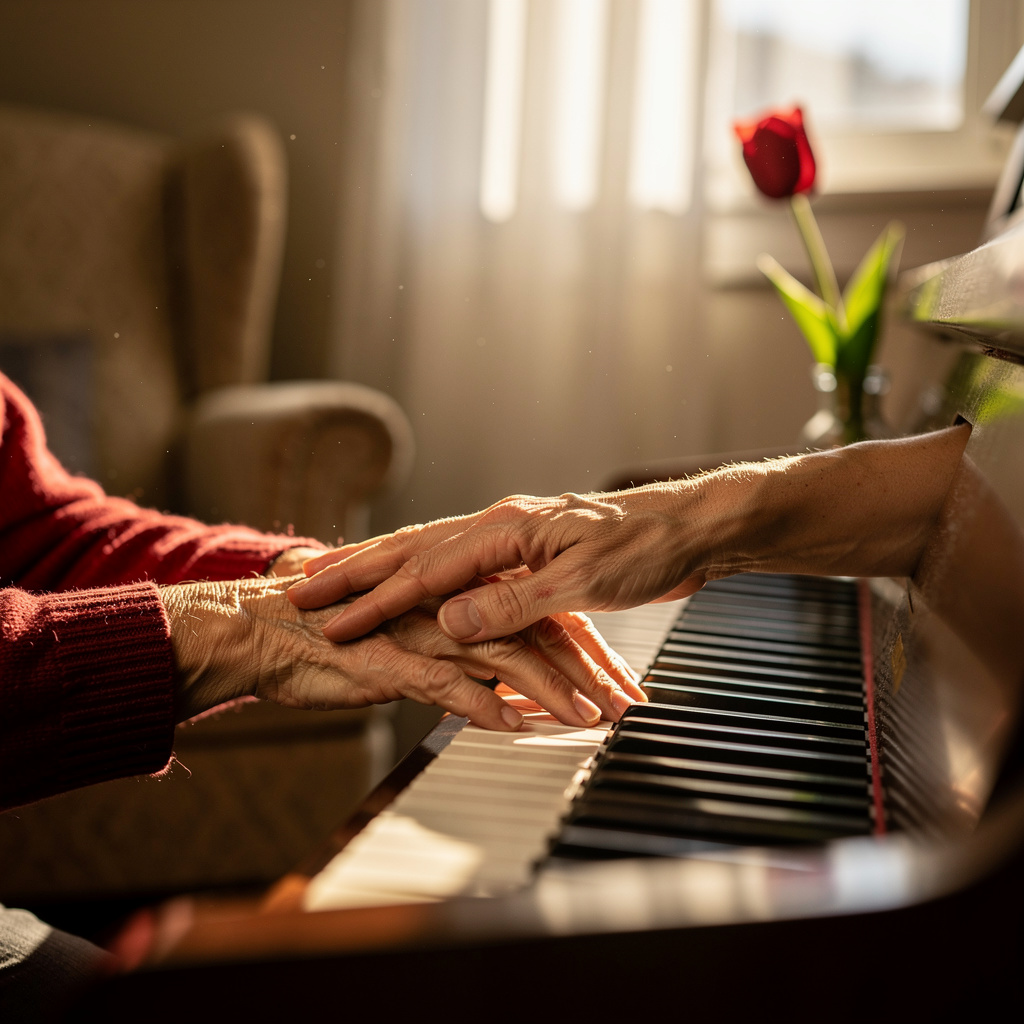
What is Music in Dementia Care?
Music in Dementia Care Training
The Music in Dementia Care certificate program equips healthcare professionals, caregivers, and activity coordinators with the knowledge and practical skills to use music as a therapeutic tool for people living with dementia. Through a structured curriculum covering everything from understanding dementia symptoms to designing personalized music interventions, participants learn how to integrate music into daily care routines, enhance communication, and reduce distress. By the end of the program, learners will be able to assess individual needs, implement evidence-based music activities, and evaluate their impact, directly improving quality of life for those in their care.
This program is designed as a beginner-friendly progression that balances theoretical foundations with hands-on application. It builds five core skill areas: understanding the neuroscience of music and memory, conducting person-centered assessments, designing and adapting interventions across dementia stages, engaging families and caregivers, and creating sustainable music programs in care settings. With the growing recognition of non-pharmacological approaches in dementia care, this training offers a timely opportunity to gain specialized expertise that is increasingly demanded in residential facilities, memory care units, and community health organizations. Choosing this program now positions you at the forefront of compassionate, evidence-based care.
What is Music in Dementia Care?
Music in dementia care is a person-centered therapeutic approach that harnesses the unique ability of music to access memories, emotions, and cognitive functions that often remain intact even as other abilities decline. It encompasses a wide range of practices, from structured music therapy delivered by certified therapists to informal music-based activities facilitated by caregivers. Core concepts include the preservation of musical memory, the role of rhythm in motor coordination, and the emotional and social connections that music fosters. The field integrates insights from neuroscience, psychology, and gerontology to create interventions that are both safe and effective for individuals at various stages of dementia.
Today, music in dementia care matters more than ever as the global population ages and the prevalence of dementia rises. Traditional pharmacological treatments have limited efficacy and often carry significant side effects, prompting a shift toward holistic, non-pharmacological interventions. Music is now widely used in memory care facilities, hospitals, and home care settings, with programs like "Music & Memory" and "Singing for the Brain" gaining international recognition. Recent research using neuroimaging has shown that music activates widespread neural networks, including those linked to autobiographical memory and reward, making it a powerful tool for reaching individuals who may otherwise be unresponsive. This growing evidence base has led to music being integrated into national dementia care guidelines and care standards across many countries.
Mastering the subject of music in dementia care builds a unique skill stack that combines clinical observation, creative facilitation, and empathetic communication. Professionals who develop expertise in this area learn to read non-verbal cues, adapt activities to fluctuating abilities, and create meaningful moments of connection that transcend cognitive decline. This skill set is invaluable for nurses, occupational therapists, activity coordinators, social workers, and family caregivers alike. Beyond professional settings, understanding how music interacts with the demented brain empowers individuals to maintain relationships with loved ones, reduce caregiver burnout, and foster a culture of dignity and joy in care environments. The knowledge gained transforms both practice and perspective, making it a deeply rewarding area of study.
Common Questions About Music in Dementia Care
What career paths open up after completing a music in dementia care certificate?
Is this dementia care training suitable for someone with no clinical experience?
How does music affect the brain and memory in people with dementia?
What is the difference between receptive and active music interventions?
How do you assess individual music preferences when a dementia patient can't speak?
- Behavioral observation: Play a few songs and watch for changes in facial expression, movement, or agitation.
- Family input: Ask relatives for songs from the person's youth, which often hold strong emotional memories.
- Structured tools: Use the MiDAS scale to measure observable engagement and track responses over time.
What is the neurological bypass and how does it help in dementia care?
Is music therapy for dementia a miracle cure or just a supportive tool?
What Will This Course Bring You?
- Analyze the progression of dementia symptoms and their impact on cognitive and emotional functioning.
- Explain how music processing engages brain regions spared by dementia, supporting memory retrieval.
- Evaluate research evidence on the effectiveness of music-based interventions for reducing agitation and improving mood in dementia.
- Conduct a comprehensive assessment of an individual's musical preferences, life history, and current abilities to inform intervention design.
- Design a personalized music intervention plan that aligns with the assessed needs and preferences of a dementia patient.
- Implement practical strategies for embedding music into daily care routines such as mealtimes, bathing, and transitions.
- Apply music-based techniques to enhance non-verbal communication and de-escalate distress in patients with advanced dementia.
- Adapt music activities and materials to match the cognitive and physical capabilities of patients across different dementia stages.
Curriculum
12 Units1. Understanding Dementia and Its Symptoms
1 hour
2. How Music Affects the Brain and Memory
1 hour
3. Evidence-Based Benefits of Music in Dementia Care
1 hour
4. Assessing Individual Needs and Preferences
1 hour
5. Designing Music-Based Interventions
1 hour
6. Integrating Music into Daily Care Routines
1 hour
7. Using Music to Enhance Communication and Reduce Distress
1 hour
8. Adapting Music for Different Stages of Dementia
1 hour
9. Engaging Families and Caregivers in Music Activities
1 hour
10. Ethical and Cultural Considerations in Music Therapy
1 hour
11. Evaluating Outcomes and Documenting Progress
1 hour
12. Building a Sustainable Music Program in Care Settings
1 hour
Exam – Music in Dementia Care
20 Questions • 70% Pass • 30 min
Unlock All Units for Free
Create an account, enroll in the course, and start with the first unit right away.
Exam – Music in Dementia Care
20 Questions • Pass: 70% • 30 min
Course Duration
720
Total Minutes
12
Unit
1
Final Exam
~60
Min / Unit
Music in Dementia Care Certificate Program
Document Your Skill
Those who pass the 20-question, 30-minute exam with 70% receive the Music in Dementia Care Certificate.
Stand Out on Your CV
By adding your certificate to your CV, gain a professional reference in job applications and stand out from the crowd.
Career Advantage
Catch Wisdom certificates are recognized by HR departments and increase career opportunities.
CERTIFICATE FEE
At the end of the course, an online exam consisting of 20 questions with a 30-minute time limit is given. The exam appears automatically after you complete the topics. Anyone who scores at least 70 out of 100 on the certificate exam is awarded the Music in Dementia Care Document (certificate of attendance). You can add the certificate you earn to your CV for job applications in the many sectors listed above, and use it as a reference proving that you took this interactive course.
The Certificate of Achievement you receive with the Music in Dementia Care course program holds value that proves your personal and professional development in the business world. By adding it to your CV, it can serve as an important reference in your job applications. Moreover, compared with certificates from other private training institutions, Catch Wisdom certificates are offered to our participants at a much more affordable price.
Because HR departments recognize Catch Wisdom as a reputable institution in this field, they value these certificates and may evaluate your job applications favorably. For this reason, a Music in Dementia Care course certificate from Catch Wisdom can make your applications more attractive and place you in an advantageous position in the business world.
For more information, we recommend visiting the Support page.
Certificate in 7 Languages
Earning success certificates from our courses is now more meaningful and global. With certificates available in Turkish, English, German, French, Spanish, Arabic, and Russian, we fully unlock the potential of students worldwide.
Why Certificate in 7 Languages?
-
01
Global Skill Development
Receiving your certificates in 7 different languages strengthens your communication skills as you engage with more people worldwide. It lets you operate more confidently and capably on the international stage.
-
02
International Job Opportunities
Employers may see your certificates in multiple languages as a sign of your ability to seize global opportunities. You can open more doors to new jobs and projects.
-
03
Cultural Richness
The chance to earn certificates in different languages helps you build closer ties with various cultures and broadens your worldview. It enriches your global perspective and deepens cultural understanding.
-
04
Ability to Participate in International Projects
Multilingual certificates give you an edge to work more effectively on international projects. They boost your chances of leadership and participation in diverse projects in the business world.
-
05
Prove Yourself on the Global Stage
Certificates in multiple languages let you showcase your skills and knowledge worldwide. You can become an internationally recognized professional.
Language diversity opens worldwide opportunities. If you want to prove yourself in the international arena, join our online Music in Dementia Care course program and begin this journey with us.
Frequently Asked Questions (FAQ)
Is this course paid?
How do I join the course?
Can I take the course at my own pace?
How can I get my certificate?
What are the advantages of the Certified Certificate?
Boost Your Career
Take a new career step with the Music in Dementia Care course. Add your certificate to your CV, stand out in job applications, and open the door to new opportunities in the industry.
StartStudent Reviews
No reviews yet
Enroll in this course and be the first to leave a review about your experience with Music in Dementia Care.
Start