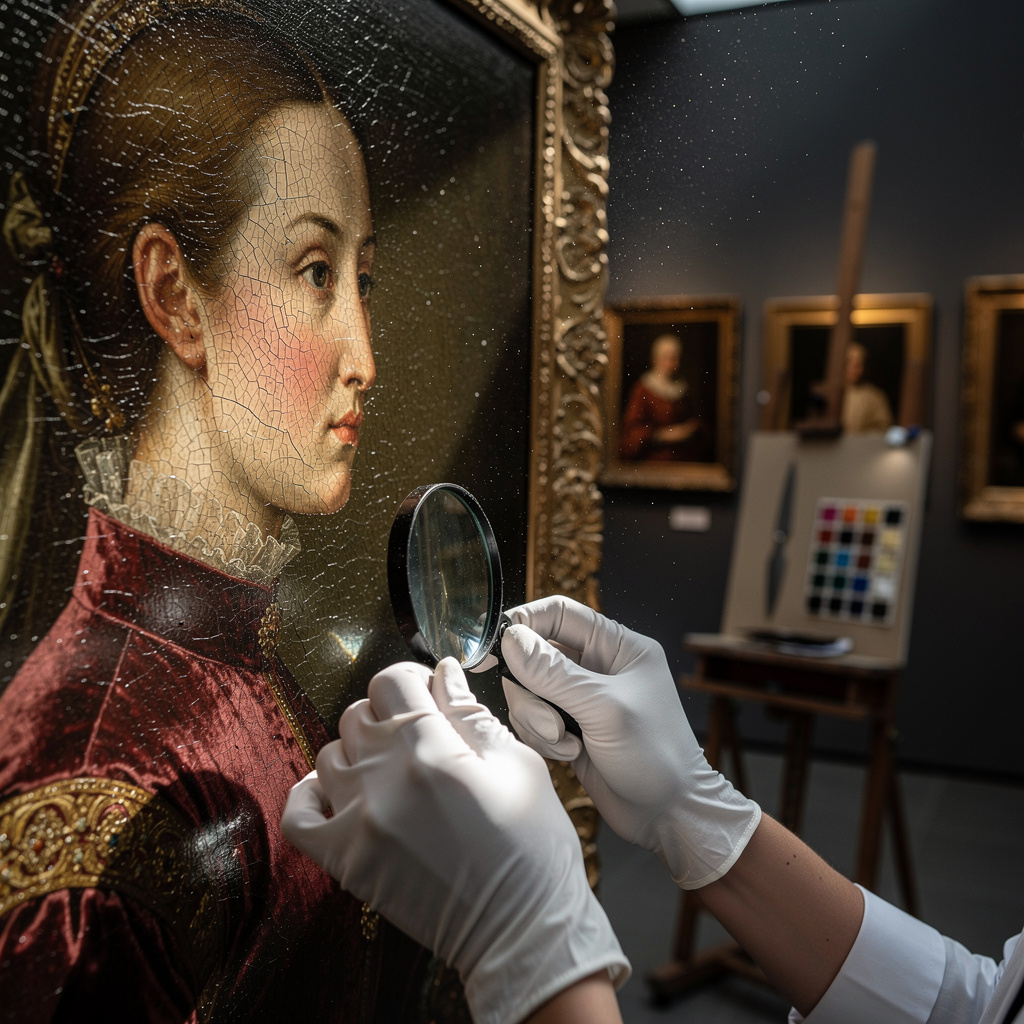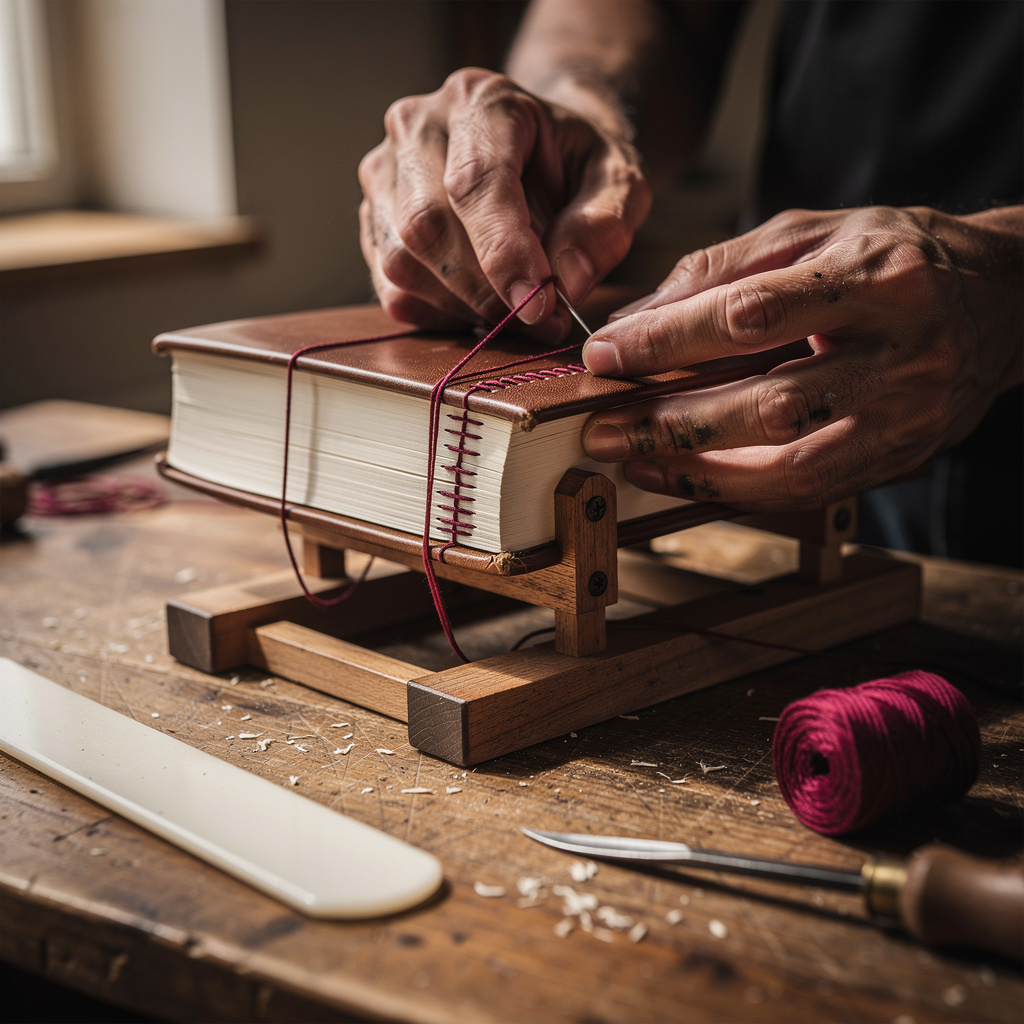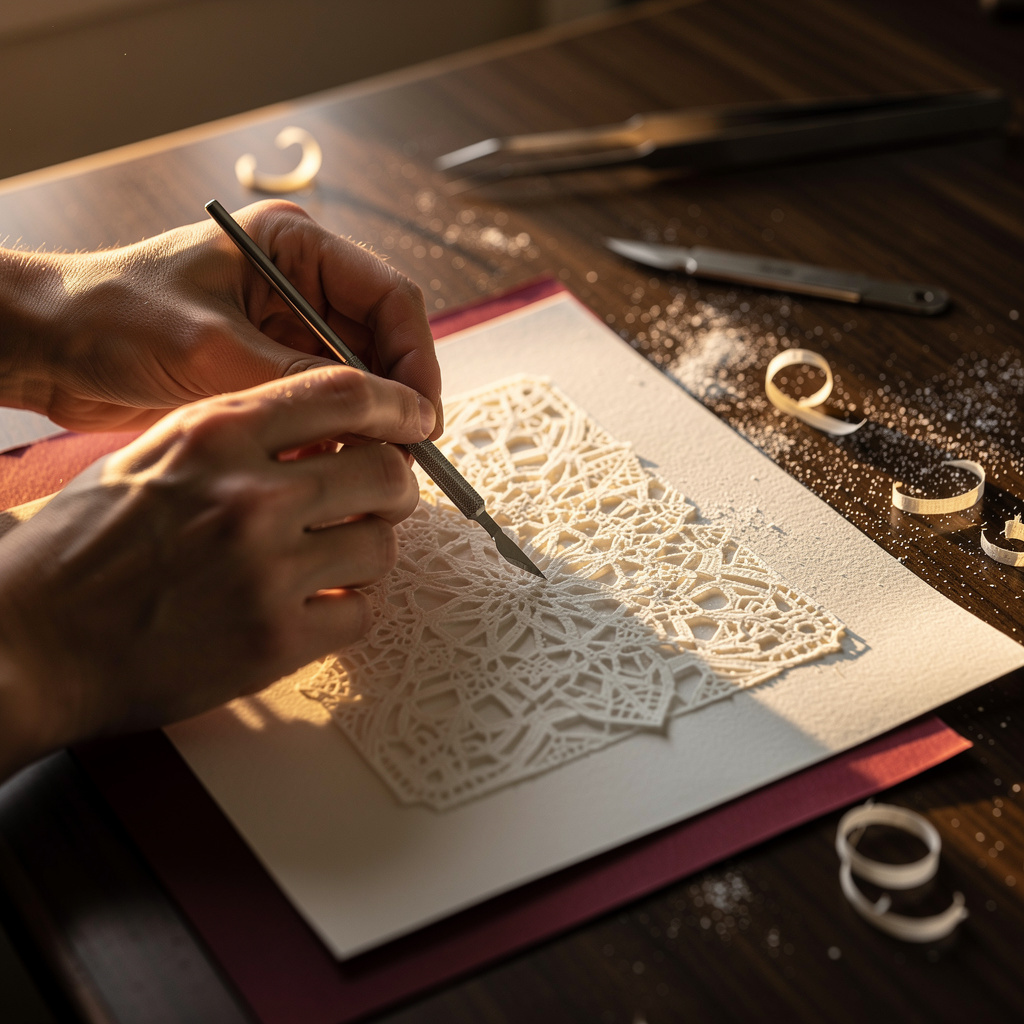
What is Papercutting Art?
Papercutting Art Training
The Papercutting Art certificate program offers a comprehensive journey from foundational techniques to advanced creative expression, guiding learners through twelve meticulously designed lessons that span the full spectrum of this delicate craft. This course is ideal for complete beginners with no prior experience, as well as for artists, designers, and crafters seeking to expand their creative repertoire with a versatile and meditative medium. By the end of the program, participants will have produced a complete original papercut artwork, ready for mounting and display, while gaining the confidence to continue exploring this art form independently.
The program is structured as a beginner-friendly progression that carefully balances theoretical knowledge with hands-on practice, ensuring that each new skill builds naturally upon the previous one. Core skill areas include tool mastery, cutting techniques from basic to advanced, design and composition principles, and cultural-historical awareness that enriches creative decision-making. With lessons covering everything from template usage and layered depth to professional troubleshooting, this program is uniquely positioned to meet the growing contemporary interest in handmade, mindful crafts — a timely choice for anyone looking to develop a distinctive artistic voice in today's digital age.
What is Papercutting Art?
Papercutting art is a decorative technique in which designs are created by cutting paper with scissors, knives, or specialized blades, resulting in intricate positive and negative space compositions. The craft encompasses a wide range of approaches, from single-sheet silhouettes and symmetrical patterns to multi-layered constructions that create depth and shadow play. Core concepts include line weight, negative space, structural integrity of the paper, and the relationship between cut and uncut areas, all of which determine the visual and physical success of a piece.
Today, papercutting art has experienced a significant resurgence as contemporary artists, illustrators, and designers embrace it for its tactile, analog appeal in an increasingly digital world. It appears in book illustration, packaging design, wedding invitations, architectural decoration, and even large-scale public installations, while academic interest in folk traditions and cultural heritage has brought renewed attention to its historical roots across Asia, Europe, and the Americas. Recent shifts toward mindfulness and slow-making practices have also positioned papercutting as a popular medium for therapeutic and meditative creative work.
Mastering papercutting builds a distinctive skill stack that includes fine motor precision, spatial reasoning, design literacy, and an understanding of how material properties affect artistic outcomes. These competencies are valuable for visual artists, graphic designers, art educators, and hobbyists alike, while the problem-solving aspects of the craft translate well into fields that require careful planning and execution. For personal contexts, the practice offers a deeply rewarding outlet for creative expression, patience, and focused relaxation, making it a meaningful addition to any creative lifestyle.
Common Questions About Papercutting Art
Is the Papercutting Art course suitable for beginners with no experience?
What basic skills should I master before taking the Papercutting Art course?
How does the pencil grip in papercutting prevent hand fatigue?
- Thumb and index: steer the blade direction
- Middle finger: stabilizes the knife shaft
- Ring and pinky: glide on the paper to balance the hand
Why is the 1-2mm blade extension standard crucial for cutting?
How do positive and negative space affect a papercut design?
How does the air gap in layered papercutting create depth?
Is a craft knife really better than a scalpel for papercutting?
What Will This Course Bring You?
- Analyze the historical and cultural significance of papercutting across diverse global traditions and styles.
- Select and apply appropriate tools and materials for various papercutting projects, considering blade types and paper weights.
- Execute basic cutting techniques with precision, including straight lines, curves, and interior cuts, to build foundational skills.
- Design original papercut patterns using principles of balance, contrast, and negative space to create visually engaging compositions.
- Implement advanced cutting methods such as layering and depth creation to enhance the three-dimensional impact of papercut art.
- Evaluate color and composition choices to create harmonious and aesthetically pleasing papercut artworks.
- Apply professional finishing, mounting, and display techniques to present completed papercut pieces effectively.
- Troubleshoot common papercutting issues and apply professional tips to refine technique and improve overall quality.
Curriculum
12 Units1. The World of Papercutting
1 hour
2. Tools and Materials
1 hour
3. Basic Cutting Techniques
1 hour
4. Design Fundamentals for Papercutting
1 hour
5. Working with Templates and Patterns
1 hour
6. Advanced Cutting Techniques
1 hour
7. Layered Papercutting and Depth
1 hour
8. Styles and Traditions Across Cultures
1 hour
9. Color and Composition
1 hour
10. Finishing, Mounting, and Display
1 hour
11. Creating an Original Papercut Artwork
1 hour
12. Troubleshooting and Professional Tips
1 hour
Exam – Papercutting Art
20 Questions • 70% Pass • 30 min
Unlock All Units for Free
Create an account, enroll in the course, and start with the first unit right away.
Exam – Papercutting Art
20 Questions • Pass: 70% • 30 min
Course Duration
720
Total Minutes
12
Unit
1
Final Exam
~60
Min / Unit
Papercutting Art Certificate Program
Document Your Skill
Those who pass the 20-question, 30-minute exam with 70% receive the Papercutting Art Certificate.
Stand Out on Your CV
By adding your certificate to your CV, gain a professional reference in job applications and stand out from the crowd.
Career Advantage
Catch Wisdom certificates are recognized by HR departments and increase career opportunities.
CERTIFICATE FEE
At the end of the course, an online exam consisting of 20 questions with a 30-minute time limit is given. The exam appears automatically after you complete the topics. Anyone who scores at least 70 out of 100 on the certificate exam is awarded the Papercutting Art Document (certificate of attendance). You can add the certificate you earn to your CV for job applications in the many sectors listed above, and use it as a reference proving that you took this interactive course.
The Certificate of Achievement you receive with the Papercutting Art course program holds value that proves your personal and professional development in the business world. By adding it to your CV, it can serve as an important reference in your job applications. Moreover, compared with certificates from other private training institutions, Catch Wisdom certificates are offered to our participants at a much more affordable price.
Because HR departments recognize Catch Wisdom as a reputable institution in this field, they value these certificates and may evaluate your job applications favorably. For this reason, a Papercutting Art course certificate from Catch Wisdom can make your applications more attractive and place you in an advantageous position in the business world.
For more information, we recommend visiting the Support page.
Certificate in 7 Languages
Earning success certificates from our courses is now more meaningful and global. With certificates available in Turkish, English, German, French, Spanish, Arabic, and Russian, we fully unlock the potential of students worldwide.
Why Certificate in 7 Languages?
-
01
Global Skill Development
Receiving your certificates in 7 different languages strengthens your communication skills as you engage with more people worldwide. It lets you operate more confidently and capably on the international stage.
-
02
International Job Opportunities
Employers may see your certificates in multiple languages as a sign of your ability to seize global opportunities. You can open more doors to new jobs and projects.
-
03
Cultural Richness
The chance to earn certificates in different languages helps you build closer ties with various cultures and broadens your worldview. It enriches your global perspective and deepens cultural understanding.
-
04
Ability to Participate in International Projects
Multilingual certificates give you an edge to work more effectively on international projects. They boost your chances of leadership and participation in diverse projects in the business world.
-
05
Prove Yourself on the Global Stage
Certificates in multiple languages let you showcase your skills and knowledge worldwide. You can become an internationally recognized professional.
Language diversity opens worldwide opportunities. If you want to prove yourself in the international arena, join our online Papercutting Art course program and begin this journey with us.
Frequently Asked Questions (FAQ)
Is this course paid?
How do I join the course?
Can I take the course at my own pace?
How can I get my certificate?
What are the advantages of the Certified Certificate?
Boost Your Career
Take a new career step with the Papercutting Art course. Add your certificate to your CV, stand out in job applications, and open the door to new opportunities in the industry.
StartStudent Reviews
No reviews yet
Enroll in this course and be the first to leave a review about your experience with Papercutting Art.
Start