What is Photojournalism Basics?
Photojournalism Basics Training
The Photojournalism Basics certificate program is designed to transform aspiring visual journalists into confident storytellers who can document real-world events with accuracy and impact. This course teaches the essential technical and editorial skills needed to capture compelling news images, from camera fundamentals and working with natural light to composing shots that convey emotion and context. It is ideal for beginner photographers, journalism students, and working professionals who want to add visual reporting to their skill set. By the end of the program, participants will have a polished portfolio of photo essays and single-frame stories that demonstrate their ability to report visually.
The program is structured as a beginner-friendly progression that moves from core camera mechanics through composition, lighting, and the decisive moment, then into advanced areas such as building visual narratives, photo editing, caption writing, and legal and ethical considerations. It balances hands-on fieldwork with critical analysis of professional photojournalism, ensuring that theory is always connected to real-world practice. The curriculum builds four core skill areas: technical photography, visual storytelling, ethical judgment, and professional practice, culminating in a final photo essay and portfolio review. Choosing this program now is a strategic move, as visual media continues to dominate news consumption and the demand for trustworthy, ethically grounded photojournalists has never been higher.
What is Photojournalism Basics?
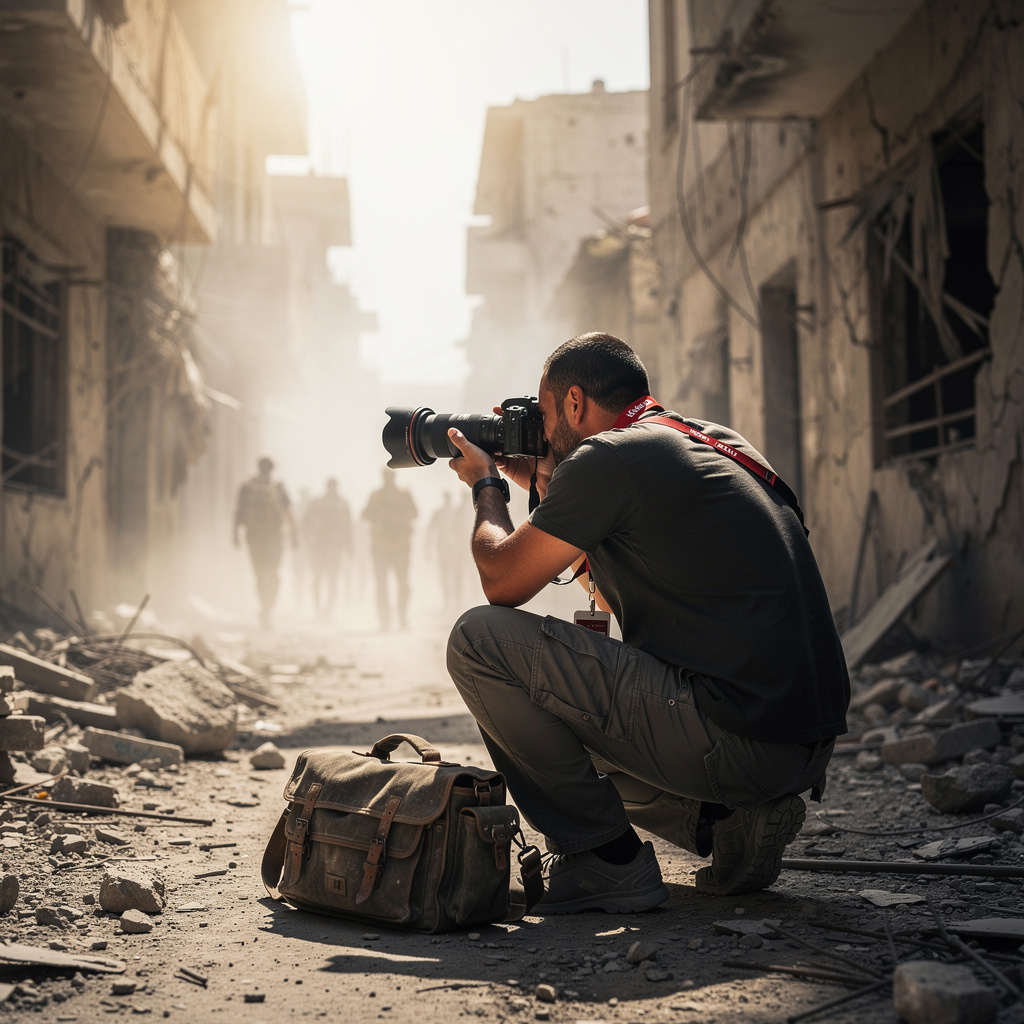
Photojournalism is the practice of using photographs to report news, document events, and tell stories about the human condition. At its core, it combines the discipline of journalism — accuracy, fairness, and context — with the artistry of photography, including composition, light, and timing. The subject covers a wide scope, from single impactful images that capture a decisive moment to multi-image photo essays that build a narrative over time. Core concepts include visual storytelling, the ethics of representation, caption writing, and the responsibility of the photographer to bear witness without manipulation.
Today, photojournalism matters more than ever in a media landscape saturated with manipulated images and unverified social media content. Professional photojournalists work in newsrooms, wire agencies, magazines, and as independent freelancers, and their work is also essential for NGOs, documentary projects, and humanitarian organizations that rely on visual evidence to communicate their missions. The field has shifted significantly with the rise of digital cameras, smartphones, and social platforms, yet the core principles of ethical reporting and visual accuracy have only grown in importance. Audiences increasingly seek authentic, well-contextualized imagery, making the photojournalist's role as a trusted visual witness indispensable.
Mastering photojournalism builds a distinctive skill stack that combines technical camera proficiency with sharp visual literacy, narrative thinking, and ethical decision-making under pressure. These skills are directly applicable in professional contexts such as editorial photography, documentary filmmaking, visual content creation for brands, and international reporting. They also serve personal and civic contexts, enabling individuals to document their communities, advocate for causes, and participate meaningfully in public discourse through visual means. The subject ultimately equips learners with the discipline to see clearly, frame honestly, and tell stories that matter.
Common Questions About Photojournalism Basics
Will this photojournalism basics course prepare me for entry-level jobs?
Can a beginner start with this photojournalism basics course?
How does the exposure triangle work for a photojournalist in low light?
- Aperture: controls light and depth of field; a wide aperture helps in dim conditions but isolates the subject.
- Shutter speed: freezes motion or blurs it; slower speeds gather more light but can blur.
- ISO: adjusts sensor sensitivity; higher ISO brightens the image but introduces grain.
What are the most common composition mistakes with the rule of thirds?
- Dead center: puts the subject in the middle, making the composition static.
- Ignoring the grid: not using the grid lines to align key elements.
- Forgetting movement: not leaving space in front of a moving subject.
How can I anticipate the decisive moment in a fast-moving event?
What is the best way to build a visual narrative in a photo essay?
Do I need expensive camera gear to produce impactful photojournalism?
What Will This Course Bring You?
- Analyze the ethical responsibilities of photojournalists in documenting truth and minimizing harm.
- Apply manual camera settings to achieve correct exposure in challenging lighting conditions.
- Evaluate compositional techniques to create compelling visual narratives that convey emotion and context.
- Capture the decisive moment by anticipating action and using appropriate shutter speed.
- Build a coherent visual narrative through sequencing and editing of photographic images.
- Implement digital post-processing workflows to enhance images while maintaining the journalistic integrity.
- Write accurate and informative detailed captions and complete metadata for photojournalistic images.
- Develop a professional portfolio that showcases your best work and demonstrates your unique style.
Curriculum
12 Units1. The Role of Photojournalism
30 minutes
2. Camera Fundamentals for Photojournalists
1 hour
3. Composition and Visual Storytelling
1 hour
4. Working with Light
1 hour
5. Capturing the Decisive Moment
1 hour
6. Building a Visual Narrative
1 hour
7. Photo Editing and Post-Processing
1 hour
8. Writing Captions and Metadata
1 hour
9. Ethics and Legal Issues
1 hour
10. Fieldwork and Safety
1 hour
11. The Photo Essay
1 hour
12. Professional Practice and Portfolio
1 hour
Exam – Photojournalism Basics
20 Questions • 70% Pass • 30 min
Unlock All Units for Free
Create an account, enroll in the course, and start with the first unit right away.
Exam – Photojournalism Basics
20 Questions • Pass: 70% • 30 min
Course Duration
690
Total Minutes
12
Unit
1
Final Exam
~58
Min / Unit
Photojournalism Basics Certificate Program
Document Your Skill
Those who pass the 20-question, 30-minute exam with 70% receive the Photojournalism Basics Certificate.
Stand Out on Your CV
By adding your certificate to your CV, gain a professional reference in job applications and stand out from the crowd.
Career Advantage
Catch Wisdom certificates are recognized by HR departments and increase career opportunities.
CERTIFICATE FEE
At the end of the course, an online exam consisting of 20 questions with a 30-minute time limit is given. The exam appears automatically after you complete the topics. Anyone who scores at least 70 out of 100 on the certificate exam is awarded the Photojournalism Basics Document (certificate of attendance). You can add the certificate you earn to your CV for job applications in the many sectors listed above, and use it as a reference proving that you took this interactive course.
The Certificate of Achievement you receive with the Photojournalism Basics course program holds value that proves your personal and professional development in the business world. By adding it to your CV, it can serve as an important reference in your job applications. Moreover, compared with certificates from other private training institutions, Catch Wisdom certificates are offered to our participants at a much more affordable price.
Because HR departments recognize Catch Wisdom as a reputable institution in this field, they value these certificates and may evaluate your job applications favorably. For this reason, a Photojournalism Basics course certificate from Catch Wisdom can make your applications more attractive and place you in an advantageous position in the business world.
For more information, we recommend visiting the Support page.
Certificate in 7 Languages
Earning success certificates from our courses is now more meaningful and global. With certificates available in Turkish, English, German, French, Spanish, Arabic, and Russian, we fully unlock the potential of students worldwide.
Why Certificate in 7 Languages?
-
01
Global Skill Development
Receiving your certificates in 7 different languages strengthens your communication skills as you engage with more people worldwide. It lets you operate more confidently and capably on the international stage.
-
02
International Job Opportunities
Employers may see your certificates in multiple languages as a sign of your ability to seize global opportunities. You can open more doors to new jobs and projects.
-
03
Cultural Richness
The chance to earn certificates in different languages helps you build closer ties with various cultures and broadens your worldview. It enriches your global perspective and deepens cultural understanding.
-
04
Ability to Participate in International Projects
Multilingual certificates give you an edge to work more effectively on international projects. They boost your chances of leadership and participation in diverse projects in the business world.
-
05
Prove Yourself on the Global Stage
Certificates in multiple languages let you showcase your skills and knowledge worldwide. You can become an internationally recognized professional.
Language diversity opens worldwide opportunities. If you want to prove yourself in the international arena, join our online Photojournalism Basics course program and begin this journey with us.
Frequently Asked Questions (FAQ)
Is this course paid?
How do I join the course?
Can I take the course at my own pace?
How can I get my certificate?
What are the advantages of the Certified Certificate?
Boost Your Career
Take a new career step with the Photojournalism Basics course. Add your certificate to your CV, stand out in job applications, and open the door to new opportunities in the industry.
StartStudent Reviews
No reviews yet
Enroll in this course and be the first to leave a review about your experience with Photojournalism Basics.
Start