What is Scenography and Stage Design?
Scenography and Stage Design Certificate Program
The Scenography and Stage Design certificate program equips learners with the spatial, visual, and collaborative skills needed to design for live performance. It teaches participants to analyze dramatic texts for visual storytelling, compose stage pictures, and translate directorial concepts into sketches, scale models, and technical plans. The curriculum also addresses lighting as a spatial tool, costume and the body in performance space, and sound, media, and immersive environments, culminating in a capstone integrated design proposal. This program suits aspiring scenographers, theater directors, architects, visual artists, and production students who want a structured bridge from visual ideas to realized performance environments.
The program progresses from foundational principles of performance space and audience/performance architecture through historical and contemporary performance environments, ensuring beginners can build confidence before advancing to concept development and collaborative direction. Theory and practice are balanced across four core skill areas: textual and visual dramaturgy, spatial composition and design representation, collaborative concept development, and technical realization. Later lessons in set design from sketch to scale model, lighting, costume, sound/media, and technical production turn speculative ideas into buildable, shootable, or installable designs. Learners choose this program now because performance increasingly blends physical and digital environments, and employers need designers who can move fluently between dramatic analysis, spatial design, and production technology.
What is Scenography and Stage Design?
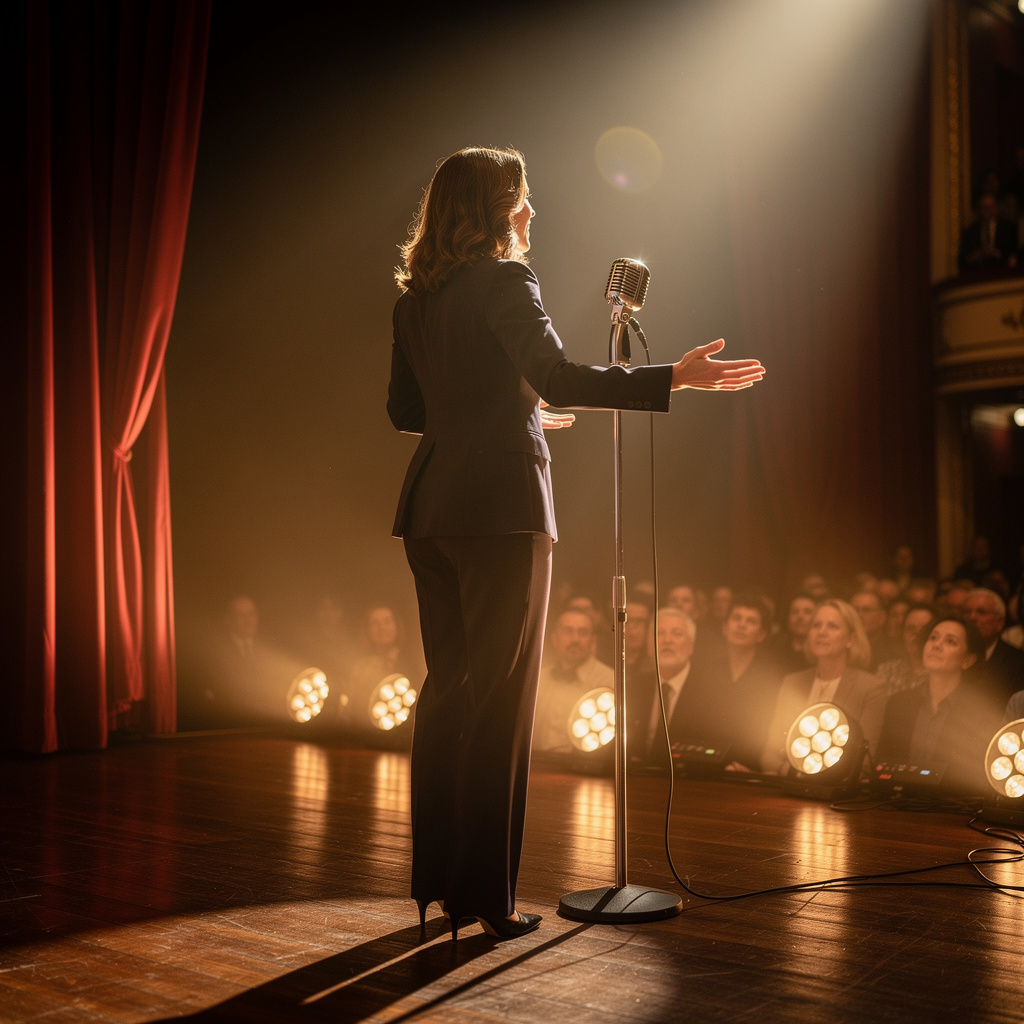
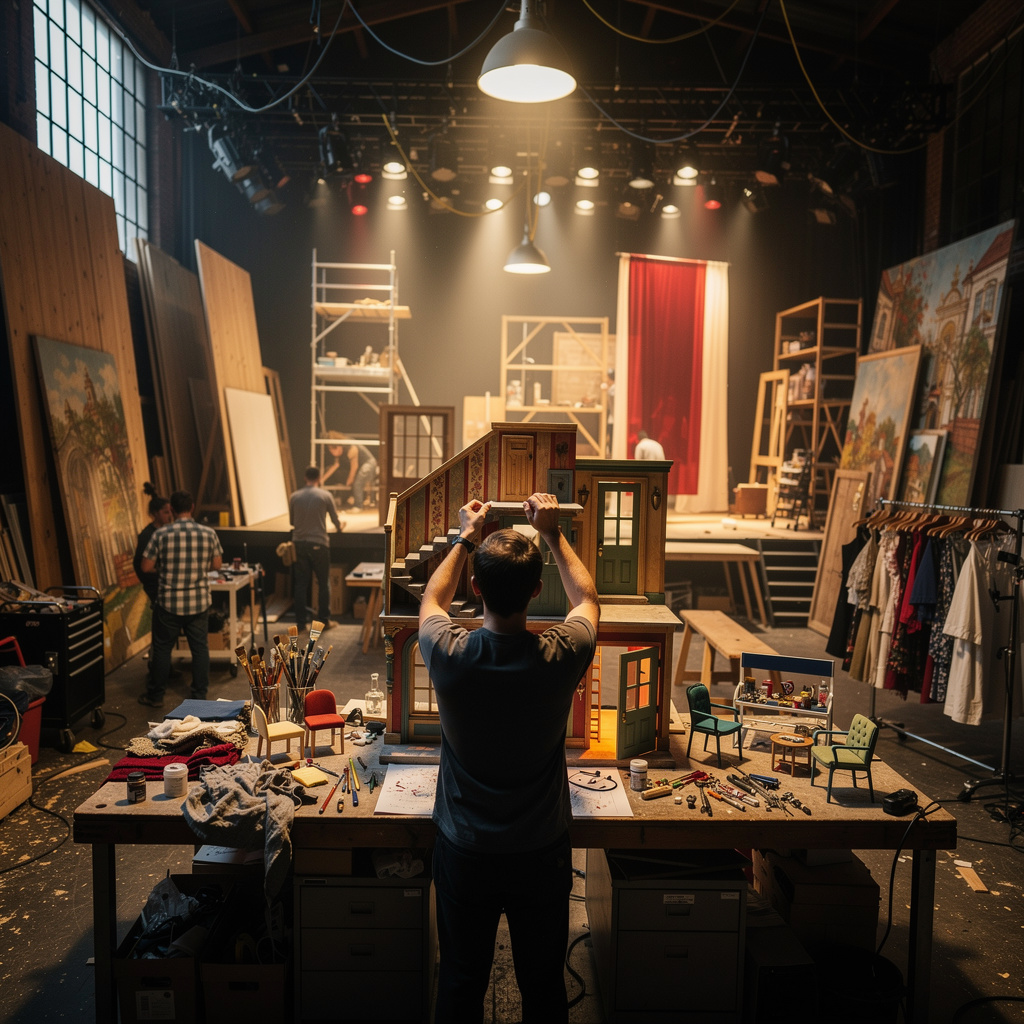
Scenography and stage design is the discipline of shaping the visual, spatial, and sensory world of a performance, encompassing set, lighting, costume, sound, media, and the relationship between performers and spectators. Its core concepts include performance space, visual composition, dramatic text analysis, scale representation, spatial dramaturgy, and the integration of technical systems with artistic intent. Scenography goes beyond painted backdrops to consider how architecture, light, material, body, and time co-produce meaning in theatre, dance, opera, installation, and site-specific work. The field draws on art history, architecture, theatre studies, and engineering, and it treats the stage as a dynamic environment rather than a static picture.
Scenography matters today because live performance, film, television, events, museums, and immersive entertainment all depend on designed environments that can respond to complex narratives and audiences. Recent shifts include the rise of digital projection, spatial audio, virtual production, and sustainable material practices, which have expanded the scenographer’s toolkit beyond traditional scenery. In academia, scenography is increasingly studied as a form of spatial research and critical practice, while industry demand grows for designers who can collaborate with directors, engineers, and media artists. Audiences expect participatory and visually literate experiences, making spatial storytelling a competitive skill in cultural and commercial sectors alike.
Mastering scenography builds a skill stack that combines visual analysis, spatial reasoning, collaborative communication, model-making, technical drawing, and production planning. These competencies benefit theatre companies, film and TV art departments, exhibition design studios, architecture practices, event production, and immersive experience companies. Professionals in directing, production management, costume, lighting, and media can use scenographic thinking to align design choices with narrative and audience experience. Personal contexts such as community theatre, independent film, or site-specific performance also gain from the ability to transform a space into a coherent storytelling environment.
What Will This Course Bring You?
- Analyze foundational principles of performance space to evaluate how spatial configuration shapes performer-audience relationships in scenographic design.
- Interpret dramatic texts to extract visual storytelling cues that inform set, costume, and lighting design decisions.
- Design stage compositions applying principles of visual balance, scale, and focal point within a defined performance space.
- Evaluate historical and contemporary performance environments to contextualize design choices within architectural and cultural traditions.
- Develop an integrated concept proposal from sketch to scale model that communicates design intent to collaborators and production teams.
- Apply lighting, sound, and media tools as spatial design instruments that shape atmosphere, narrative, and audience immersion.
- Build a technical production plan that translates a scenographic concept into realizable construction and staging requirements.
Curriculum
12 Units1. Foundational Principles of Performance Space
1 hour
2. Reading Dramatic Texts for Visual Storytelling
1 hour
3. Visual Composition for the Stage
1 hour
4. Audience, Space, and Performance Architecture
1 hour
5. Historical and Contemporary Performance Environments
1 hour
6. Concept Development and Collaborative Direction
1 hour
7. Set Design from Sketch to Scale Model
1 hour
8. Lighting Design as a Spatial Tool
1 hour
9. Costume and the Body in Performance Space
1 hour
10. Sound, Media, and Immersive Environments
1 hour
11. Technical Production and Realization
1 hour
12. Capstone: Integrated Design Proposal
1 hour
Exam – Scenography and Stage Design
20 Questions • 70% Pass • 30 min
Unlock All Units for Free
Create an account, enroll in the course, and start with the first unit right away.
Exam – Scenography and Stage Design
20 Questions • Pass: 70% • 30 min
Course Duration
720
Total Minutes
12
Unit
1
Final Exam
~60
Min / Unit
Scenography and Stage Design Certificate Program
Document Your Skill
Those who pass the 20-question, 30-minute exam with 70% receive the Scenography and Stage Design Certificate.
Stand Out on Your CV
By adding your certificate to your CV, gain a professional reference in job applications and stand out from the crowd.
Career Advantage
With the verification code, employers can check your certificate instantly — a concrete way to show your growth.
CERTIFICATE FEE
At the end of the course, an online exam consisting of 20 questions with a 30-minute time limit is given. The exam appears automatically after you complete the topics. Anyone who scores at least 70 out of 100 on the certificate exam is awarded the Scenography and Stage Design Document (certificate of attendance). You can add the certificate you earn to your CV for job applications in the many sectors listed above, and use it as a reference proving that you took this interactive course.
The Certificate of Achievement you receive with the Scenography and Stage Design course program holds value that proves your personal and professional development in the business world. By adding it to your CV, it can serve as an important reference in your job applications. Moreover, compared with certificates from other private training institutions, Catch Wisdom certificates are offered to our participants at a much more affordable price.
The Scenography and Stage Design course certificate is a document that proves, with a unique verification code, that you completed the course. Employers can instantly check its authenticity with this code, which helps you show your development concretely in your job applications.
For more information, we recommend visiting the Support page.
Certificate in 7 Languages
Earning success certificates from our courses is now more meaningful and global. With certificates available in Turkish, English, German, French, Spanish, Arabic, and Russian, we fully unlock the potential of students worldwide.
Why Certificate in 7 Languages?
-
01
Global Skill Development
Receiving your certificates in 7 different languages strengthens your communication skills as you engage with more people worldwide. It lets you operate more confidently and capably on the international stage.
-
02
International Job Opportunities
Employers may see your certificates in multiple languages as a sign of your ability to seize global opportunities. You can open more doors to new jobs and projects.
-
03
Cultural Richness
The chance to earn certificates in different languages helps you build closer ties with various cultures and broadens your worldview. It enriches your global perspective and deepens cultural understanding.
-
04
Ability to Participate in International Projects
Multilingual certificates give you an edge to work more effectively on international projects. They boost your chances of leadership and participation in diverse projects in the business world.
-
05
Prove Yourself on the Global Stage
Certificates in multiple languages give you the opportunity to present your skills and knowledge worldwide.
Language diversity opens worldwide opportunities. If you want to prove yourself in the international arena, join our online Scenography and Stage Design course program and begin this journey with us.
Frequently Asked Questions (FAQ)
Is this course paid?
How do I join the course?
Can I take the course at my own pace?
How can I get my certificate?
What are the advantages of the certificate?
Boost Your Career
Take a new career step with the Scenography and Stage Design course. Add your certificate to your CV, stand out in job applications, and open the door to new opportunities in the industry.
StartStudent Reviews
No reviews yet
Enroll in this course and be the first to leave a review about your experience with Scenography and Stage Design.
Start