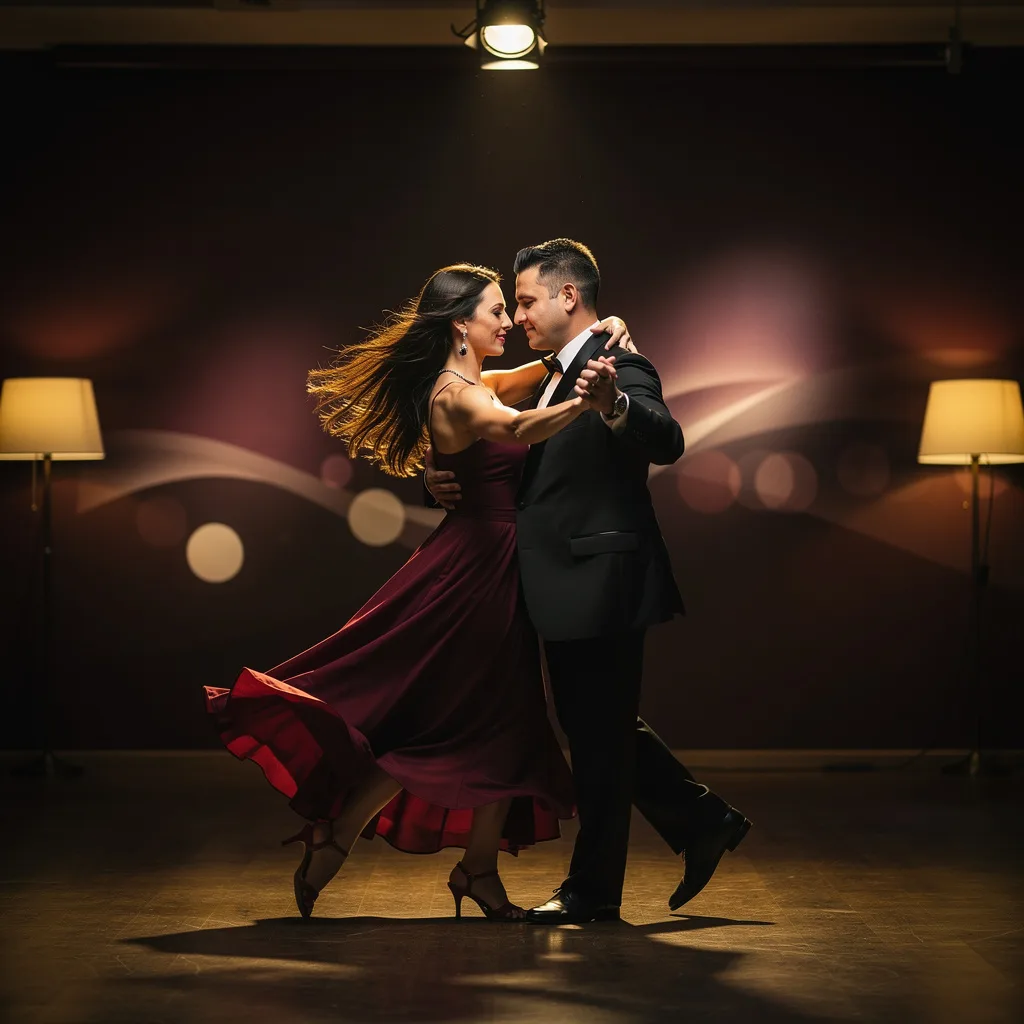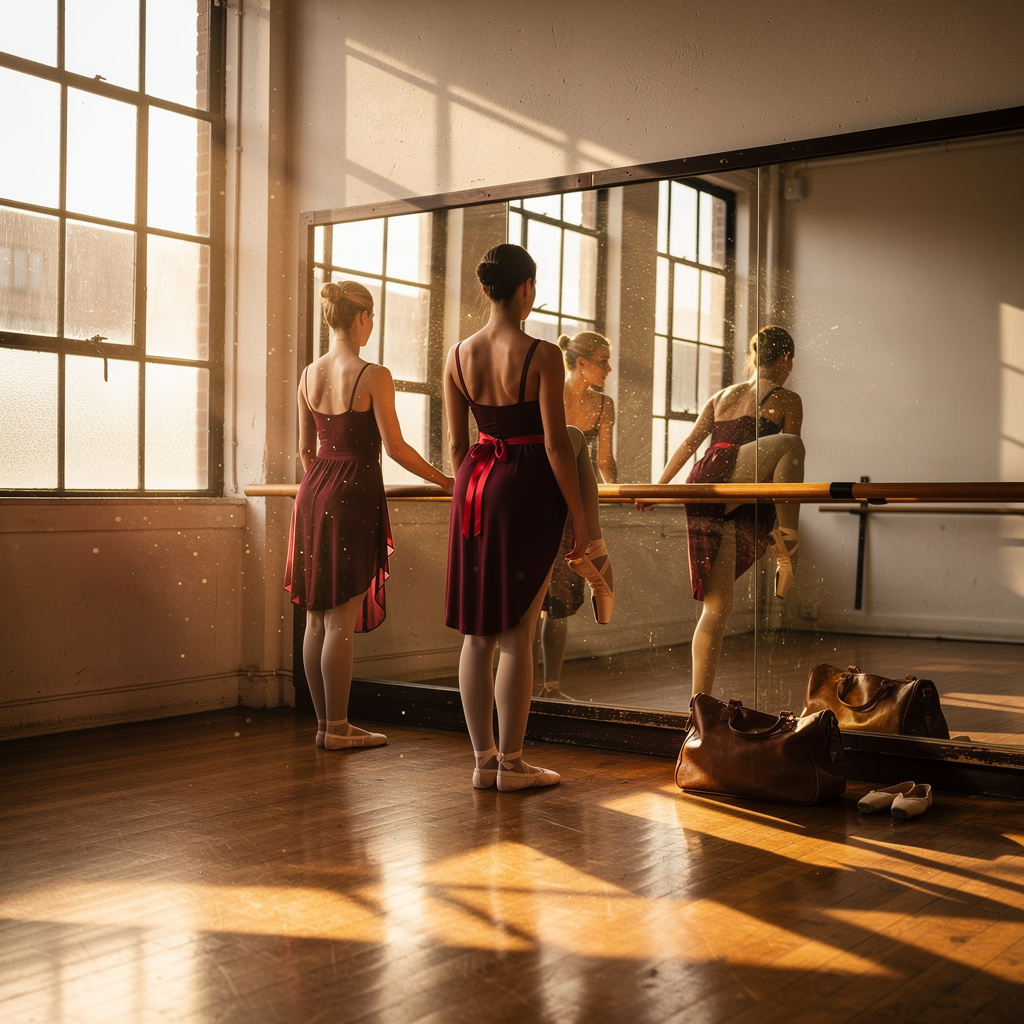
What is Starting a Dance Studio?
Starting a Dance Studio Training Program
Starting a Dance Studio certificate program is a comprehensive training pathway designed for aspiring studio owners, dance educators, and entrepreneurs who want to transform their passion for dance into a thriving business. This course walks you through every phase of launching a studio, from defining your artistic vision and identifying your target market to executing a successful grand opening and building a sustainable operation. By the end of the program, you will have a complete, actionable roadmap to open your own dance studio with confidence and clarity.
The program is structured as a beginner-friendly progression that balances strategic theory with hands-on practical application. You will build core skills across five key areas: business planning and financial management, legal and operational compliance, studio design and technology, team building and leadership, and marketing and customer experience. With lessons covering everything from pricing and scheduling to hiring staff and launching your brand, this course gives you the exact tools and frameworks you need to navigate the realities of the dance industry today—where competition is fierce and a solid business foundation is essential for long-term success.
What is Starting a Dance Studio?
Starting a dance studio is the process of conceiving, planning, and launching a business dedicated to dance education and training. It encompasses a wide range of disciplines, including market research, financial modeling, legal compliance, facility design, curriculum development, staffing, and brand building. At its core, the subject is about merging artistic vision with entrepreneurial strategy—creating a space where dance can be taught, celebrated, and sustained as a viable commercial enterprise.
In today's landscape, the dance industry is experiencing significant growth, with increasing demand for recreational and competitive dance programs across all age groups. Studios are no longer just places to take classes; they are community hubs, wellness centers, and performance venues that must adapt to shifting consumer expectations, digital marketing trends, and evolving teaching methodologies. Understanding how to start a dance studio is more relevant than ever, as new owners must navigate everything from social media branding to insurance requirements in an increasingly competitive and professionalized market.
Mastering the subject of starting a dance studio builds a versatile skill stack that combines business acumen with creative leadership. Entrepreneurs who understand this domain gain the ability to make informed decisions about location, pricing, staffing, and growth strategies, while also cultivating the emotional intelligence needed to manage students, parents, and employees. Whether you are a dancer looking to own your own space, an educator seeking to expand your impact, or a business professional entering the arts sector, this knowledge empowers you to turn a passion for dance into a sustainable, impactful enterprise.
Common Questions About Starting a Dance Studio
Can someone with no dance studio experience start this course?
How long does the Starting a Dance Studio training take to finish?
Why is a sprung dance floor a non-negotiable investment for studios?
How do I create a customer persona for my dance studio marketing?
What are the most common pricing models used in dance studios?
- Class packs: Students prepay for a set number of classes (e.g., 10 classes) that expire after a period — good for flexible schedules.
- Monthly memberships: Recurring billing for unlimited or fixed classes per month — creates predictable revenue and encourages retention.
- Drop-in rates: Pay per single class — attracts new customers but offers low commitment and unstable income.
- Term-based tuition: Payment for a full semester or season — common in competitive and youth programs, providing upfront capital and strong commitment.
How should I structure my dance studio business plan for investors?
Is it a mistake to try appealing to every age group in a dance studio?
What Will This Course Bring You?
- Define a clear studio vision and identify target market segments using market research.
- Develop a comprehensive business plan with financial projections including startup costs and revenue forecasts.
- Evaluate legal structures, permits, and insurance requirements to ensure compliance for a dance studio.
- Design a studio layout that optimizes space for dance classes, customer flow, and safety.
- Implement a pricing strategy and class schedule that balances profitability and student demand.
- Build a staffing plan including hiring, training, and performance management for dance instructors.
- Create a comprehensive branding and marketing strategy to attract and retain students for the studio.
- Apply operational systems for daily operations and customer experience to ensure smooth studio management.
Curriculum
12 Units1. Defining Your Studio Vision and Market
1 hour
2. Business Planning and Financial Projections
1 hour
3. Legal Structure, Permits, and Insurance
1 hour
4. Location and Studio Design
1 hour
5. Equipment, Supplies, and Technology
1 hour
6. Pricing, Class Offerings, and Scheduling
1 hour
7. Hiring, Training, and Managing Staff
1 hour
8. Branding and Marketing Strategy
1 hour
9. Pre-Opening Operations and Systems
1 hour
10. Grand Opening and Community Launch
1 hour
11. Daily Operations and Customer Experience
1 hour
12. Growth, Retention, and Long-Term Sustainability
1 hour
Exam – Starting a Dance Studio
20 Questions • 70% Pass • 30 min
Unlock All Units for Free
Create an account, enroll in the course, and start with the first unit right away.
Exam – Starting a Dance Studio
20 Questions • Pass: 70% • 30 min
Course Duration
720
Total Minutes
12
Unit
1
Final Exam
~60
Min / Unit
Starting a Dance Studio Certificate Program
Document Your Skill
Those who pass the 20-question, 30-minute exam with 70% receive the Starting a Dance Studio Certificate.
Stand Out on Your CV
By adding your certificate to your CV, gain a professional reference in job applications and stand out from the crowd.
Career Advantage
Catch Wisdom certificates are recognized by HR departments and increase career opportunities.
CERTIFICATE FEE
At the end of the course, an online exam consisting of 20 questions with a 30-minute time limit is given. The exam appears automatically after you complete the topics. Anyone who scores at least 70 out of 100 on the certificate exam is awarded the Starting a Dance Studio Document (certificate of attendance). You can add the certificate you earn to your CV for job applications in the many sectors listed above, and use it as a reference proving that you took this interactive course.
The Certificate of Achievement you receive with the Starting a Dance Studio course program holds value that proves your personal and professional development in the business world. By adding it to your CV, it can serve as an important reference in your job applications. Moreover, compared with certificates from other private training institutions, Catch Wisdom certificates are offered to our participants at a much more affordable price.
Because HR departments recognize Catch Wisdom as a reputable institution in this field, they value these certificates and may evaluate your job applications favorably. For this reason, a Starting a Dance Studio course certificate from Catch Wisdom can make your applications more attractive and place you in an advantageous position in the business world.
For more information, we recommend visiting the Support page.
Certificate in 7 Languages
Earning success certificates from our courses is now more meaningful and global. With certificates available in Turkish, English, German, French, Spanish, Arabic, and Russian, we fully unlock the potential of students worldwide.
Why Certificate in 7 Languages?
-
01
Global Skill Development
Receiving your certificates in 7 different languages strengthens your communication skills as you engage with more people worldwide. It lets you operate more confidently and capably on the international stage.
-
02
International Job Opportunities
Employers may see your certificates in multiple languages as a sign of your ability to seize global opportunities. You can open more doors to new jobs and projects.
-
03
Cultural Richness
The chance to earn certificates in different languages helps you build closer ties with various cultures and broadens your worldview. It enriches your global perspective and deepens cultural understanding.
-
04
Ability to Participate in International Projects
Multilingual certificates give you an edge to work more effectively on international projects. They boost your chances of leadership and participation in diverse projects in the business world.
-
05
Prove Yourself on the Global Stage
Certificates in multiple languages let you showcase your skills and knowledge worldwide. You can become an internationally recognized professional.
Language diversity opens worldwide opportunities. If you want to prove yourself in the international arena, join our online Starting a Dance Studio course program and begin this journey with us.
Frequently Asked Questions (FAQ)
Is this course paid?
How do I join the course?
Can I take the course at my own pace?
How can I get my certificate?
What are the advantages of the Certified Certificate?
Boost Your Career
Take a new career step with the Starting a Dance Studio course. Add your certificate to your CV, stand out in job applications, and open the door to new opportunities in the industry.
StartStudent Reviews
No reviews yet
Enroll in this course and be the first to leave a review about your experience with Starting a Dance Studio.
Start