What is Turkish Folk Dances?
Turkish Folk Dances Certificate Program
This Turkish Folk Dances certificate program offers a comprehensive journey through the movement, music, and meaning embedded in Anatolia’s rich dance heritage. Designed for cultural enthusiasts, dance educators, and performers seeking authentic specialization, the course systematically builds your ability to recognize, execute, and interpret the fundamental postures, steps, and arm patterns unique to each regional style. By the end of the program, you will possess the embodied knowledge and contextual understanding to perform and stage representative dances from the Halay, Zeybek, Horon, Bar, and Karşılama families with stylistic accuracy.
The program follows a carefully sequenced progression, beginning with the cultural roots and historical evolution of Turkish folk dances before moving into rhythmic analysis, musical accompaniment, and the symbolic language of traditional costumes. You will then explore the distinct characteristics of each regional form through dedicated modules, culminating in modern staging practices and preservation strategies. This structure balances theoretical insight with practical skill-building, making it ideal for those who wish to deepen their artistic practice, enrich their teaching repertoire, or contribute to the safeguarding of intangible cultural heritage in a rapidly globalizing world.
What is Turkish Folk Dances?
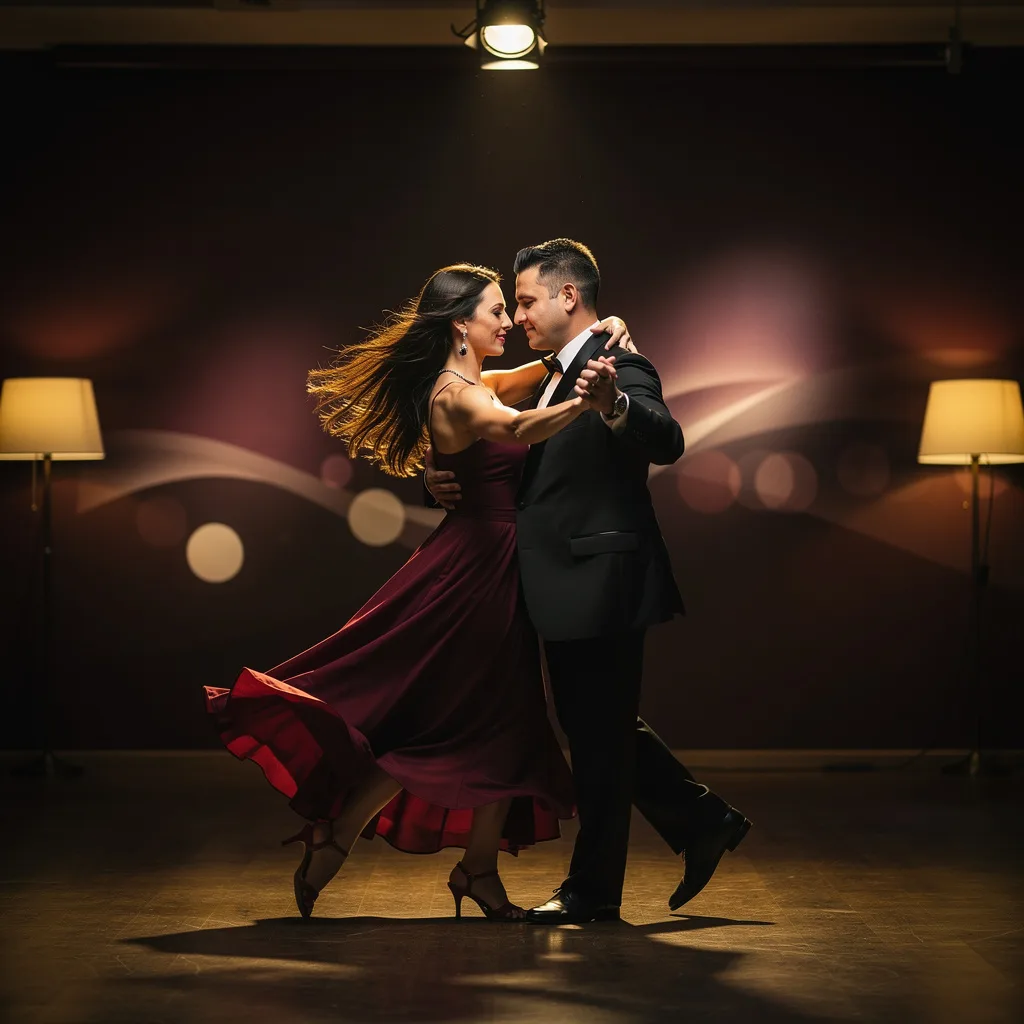
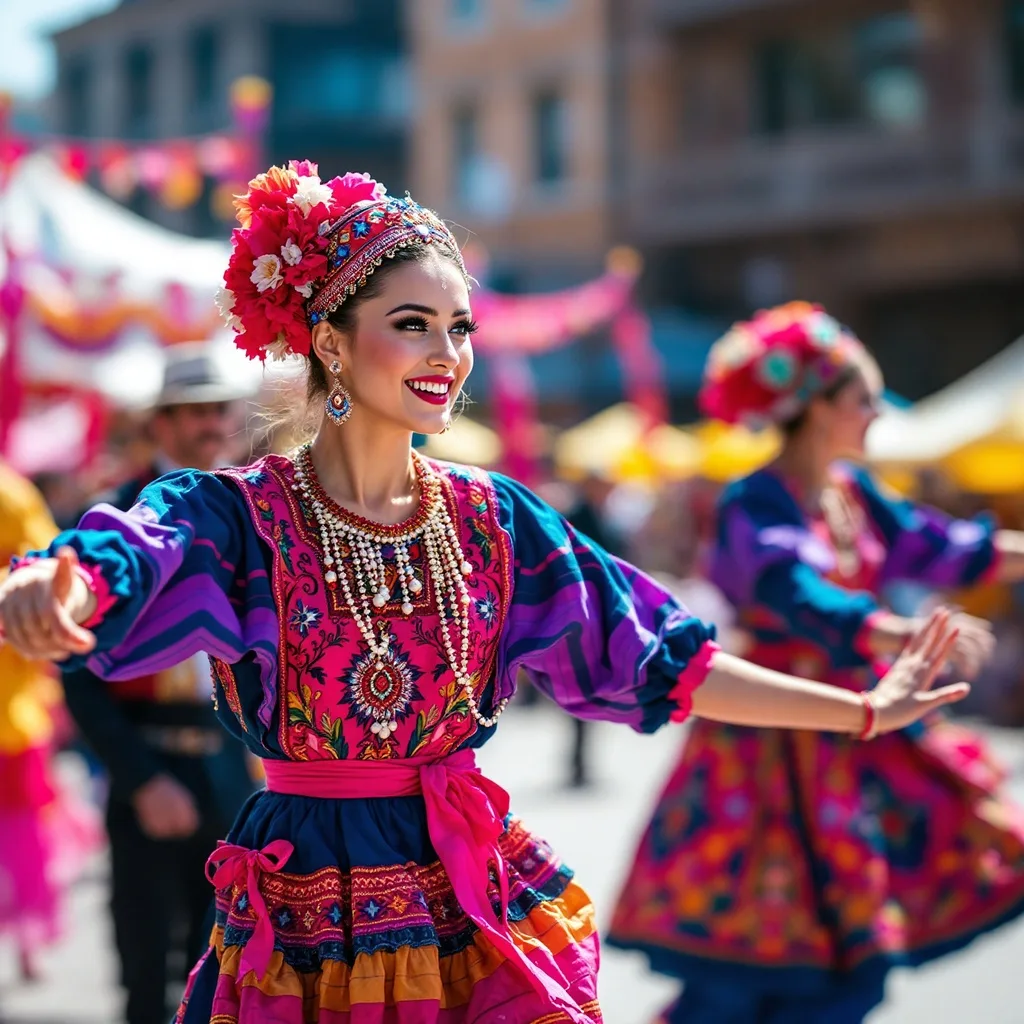
Turkish Folk Dances are a vast and vibrant spectrum of traditional movement practices that have evolved over centuries across the Anatolian peninsula and its surrounding regions. Far more than simple entertainment, these dances function as living archives of communal memory, encoding social values, rituals of nature, rites of passage, and collective identity into structured choreographic forms. The repertoire spans the stately, dignified Zeybek of the Aegean, the lightning-fast Horon of the Black Sea coast, the chain-like Halay of Central and Eastern Anatolia, the shoulder-to-shoulder Bar of the northeast, and the playful, flirtatious Karşılama of the Thracian and Marmara regions, each with its own distinct rhythmic structures, spatial patterns, and gestural vocabularies.
In contemporary Turkey and among diaspora communities worldwide, these dances remain a vital, living practice rather than a museum piece. They are performed at weddings, national holidays, festivals, and social gatherings, serving as a powerful medium for intergenerational connection and cultural continuity. In recent decades, there has been a significant shift toward systematic preservation and academic study, with folk dance ensembles, university conservatories, and UNESCO-recognized intangible cultural heritage initiatives working to document regional variations before they are lost to urbanization and cultural homogenization. This has elevated Turkish folk dances from informal community practice to a respected field of artistic and scholarly pursuit.
Mastering this subject builds a unique skill stack that bridges embodied practice, musicality, and ethnographic understanding. Learners develop acute rhythmic perception by internalizing complex asymmetrical time signatures, spatial awareness through intricate group formations, and a nuanced appreciation for how costume, gesture, and regional context intertwine. These competencies prove invaluable for professional dancers and choreographers seeking authentic movement vocabularies, educators designing culturally grounded curricula, cultural event organizers, and researchers in ethnochoreology or intangible heritage. The knowledge also enriches personal practice, enabling deeper participation in community celebrations and a more profound connection to Anatolian cultural identity.
Common Questions About Turkish Folk Dances
Is Turkish Folk Dances suitable for beginners with no dance experience?
What career benefits does a Turkish Folk Dances certificate offer?
What is the difference between Halay and Zeybek in Turkish folk dances?
- Formation: Halay uses a closed circle; Zeybek uses an open circle or line.
- Movement: Halay is energetic and collective; Zeybek is slower, more deliberate, with dramatic pauses.
- Cultural context: Halay is a celebration of community; Zeybek tells stories of heroism and honor.
What are the key postures and arm patterns in Turkish folk dances?
- Hand-in-hand: Basic circle linkage, palms facing down.
- Shoulder hold: Arms extended, hands on neighbors' shoulders.
- Arm-in-arm: Linked at the elbow, common in Bar dances.
- Pinky-link: Little fingers hooked, used in some Halay variations.
How are Horon dances of the Black Sea region performed?
What is the role of the davul and zurna in Turkish folk dance music?
Are Turkish folk dances only performed at weddings?
What Will This Course Bring You?
- Analyze the historical and cultural influences that shaped the evolution of Turkish folk dances from Central Asian roots to Anatolian traditions.
- Classify regional dance forms by identifying distinctive movement vocabularies, spatial patterns, and social functions across Anatolia.
- Apply complex rhythmic patterns and metric structures to perform dances in asymmetrical time signatures with appropriate musical phrasing.
- Interpret the symbolic meanings of traditional costumes, colors, and accessories in relation to regional identity and ritual contexts.
- Execute fundamental postures, traveling steps, and stylized arm and hand gestures that form the technical foundation of Turkish folk dance.
- Perform a complete Halay sequence with proper group formations, leader signals, and characteristic rhythmic footwork.
- Choreograph a Zeybek solo that embodies the heroic aesthetic through weighted steps, expansive arm movements, and controlled dynamics.
- Evaluate staging strategies for folk dance ensembles, considering spatial design, audience sightlines, and preservation of authentic style.
Curriculum
12 Units1. Cultural Roots and Historical Evolution
1 hour
2. Regional Dance Traditions and Classifications
1 hour
3. Rhythmic Structures and Musical Accompaniment
1 hour
4. Traditional Costumes and Symbolic Adornments
1 hour
5. Fundamental Postures, Steps, and Arm Patterns
1 hour
6. Halay Dances of Central and Eastern Anatolia
1 hour
7. Zeybek Dances of the Aegean Region
1 hour
8. Horon Dances of the Black Sea
1 hour
9. Bar Dances of Eastern Anatolia
1 hour
10. Karşılama, Kaşık Oyunları, and Other Regional Forms
1 hour
11. Staging and Performance Practices
1 hour
12. Turkish Folk Dances in Modern Culture and Preservation
1 hour
Exam – Turkish Folk Dances
20 Questions • 70% Pass • 30 min
Unlock All Units for Free
Create an account, enroll in the course, and start with the first unit right away.
Exam – Turkish Folk Dances
20 Questions • Pass: 70% • 30 min
Course Duration
720
Total Minutes
12
Unit
1
Final Exam
~60
Min / Unit
Turkish Folk Dances Certificate Program
Document Your Skill
Those who pass the 20-question, 30-minute exam with 70% receive the Turkish Folk Dances Certificate.
Stand Out on Your CV
By adding your certificate to your CV, gain a professional reference in job applications and stand out from the crowd.
Career Advantage
Catch Wisdom certificates are recognized by HR departments and increase career opportunities.
CERTIFICATE FEE
At the end of the course, an online exam consisting of 20 questions with a 30-minute time limit is given. The exam appears automatically after you complete the topics. Anyone who scores at least 70 out of 100 on the certificate exam is awarded the Turkish Folk Dances Document (certificate of attendance). You can add the certificate you earn to your CV for job applications in the many sectors listed above, and use it as a reference proving that you took this interactive course.
The Certificate of Achievement you receive with the Turkish Folk Dances course program holds value that proves your personal and professional development in the business world. By adding it to your CV, it can serve as an important reference in your job applications. Moreover, compared with certificates from other private training institutions, Catch Wisdom certificates are offered to our participants at a much more affordable price.
Because HR departments recognize Catch Wisdom as a reputable institution in this field, they value these certificates and may evaluate your job applications favorably. For this reason, a Turkish Folk Dances course certificate from Catch Wisdom can make your applications more attractive and place you in an advantageous position in the business world.
For more information, we recommend visiting the Support page.
Certificate in 7 Languages
Earning success certificates from our courses is now more meaningful and global. With certificates available in Turkish, English, German, French, Spanish, Arabic, and Russian, we fully unlock the potential of students worldwide.
Why Certificate in 7 Languages?
-
01
Global Skill Development
Receiving your certificates in 7 different languages strengthens your communication skills as you engage with more people worldwide. It lets you operate more confidently and capably on the international stage.
-
02
International Job Opportunities
Employers may see your certificates in multiple languages as a sign of your ability to seize global opportunities. You can open more doors to new jobs and projects.
-
03
Cultural Richness
The chance to earn certificates in different languages helps you build closer ties with various cultures and broadens your worldview. It enriches your global perspective and deepens cultural understanding.
-
04
Ability to Participate in International Projects
Multilingual certificates give you an edge to work more effectively on international projects. They boost your chances of leadership and participation in diverse projects in the business world.
-
05
Prove Yourself on the Global Stage
Certificates in multiple languages let you showcase your skills and knowledge worldwide. You can become an internationally recognized professional.
Language diversity opens worldwide opportunities. If you want to prove yourself in the international arena, join our online Turkish Folk Dances course program and begin this journey with us.
Frequently Asked Questions (FAQ)
Is this course paid?
How do I join the course?
Can I take the course at my own pace?
How can I get my certificate?
What are the advantages of the Certified Certificate?
Boost Your Career
Take a new career step with the Turkish Folk Dances course. Add your certificate to your CV, stand out in job applications, and open the door to new opportunities in the industry.
StartStudent Reviews
No reviews yet
Enroll in this course and be the first to leave a review about your experience with Turkish Folk Dances.
Start