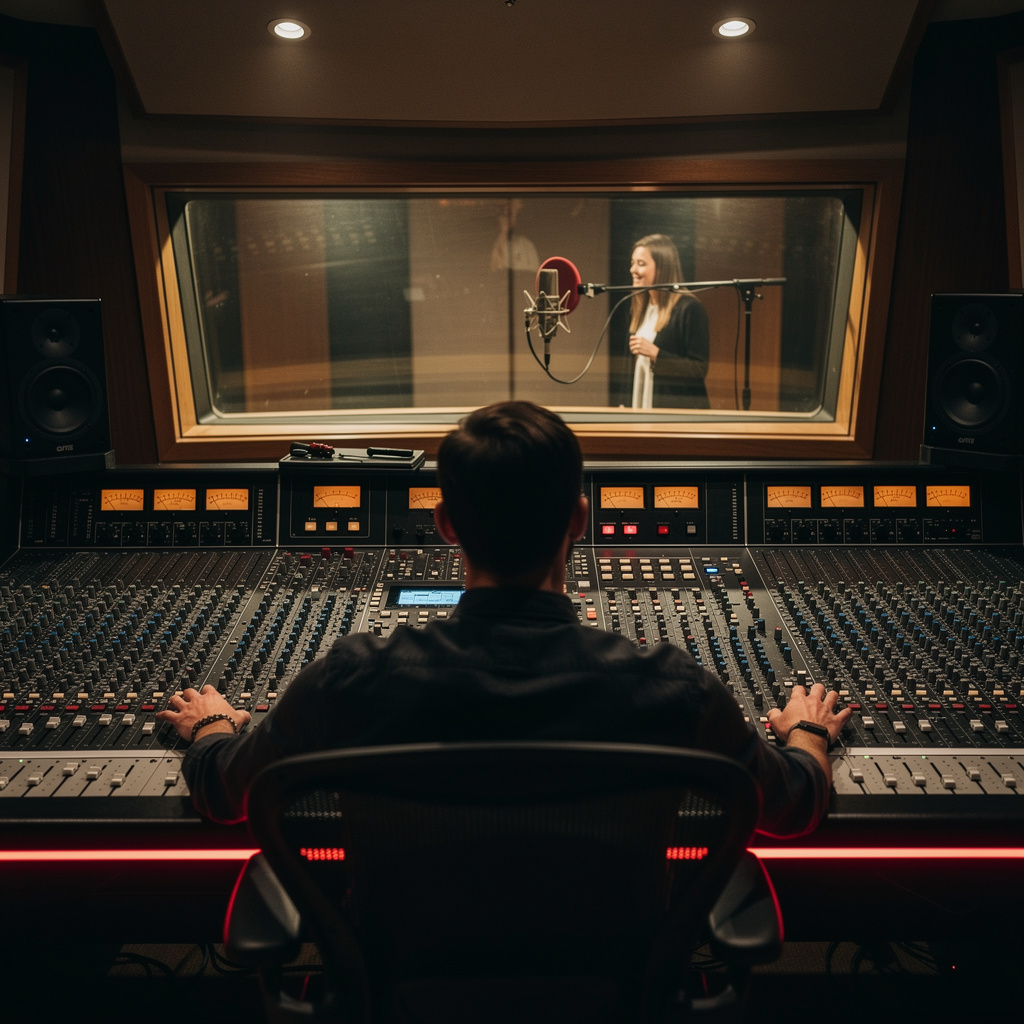
What is Starting a Recording Studio?
Starting a Recording Studio Training
Starting a Recording Studio certificate program provides a complete roadmap for turning a passion for audio into a functional, profitable studio. This course is designed for aspiring studio owners, audio engineers, musicians, and entrepreneurs who want to build a professional recording space from the ground up. Through a blend of technical instruction and business strategy, participants will leave with a concrete plan for studio design, equipment selection, and client acquisition.
The program is structured to guide learners from the initial landscape analysis through legal setup, budgeting, acoustics, and equipment choices, then into construction, workflow, staffing, and marketing. Each lesson builds on the previous, ensuring a beginner-friendly progression that balances theory with practical application. Core skill areas include business planning, audio technology, facility design, team management, and growth strategies—making this an ideal choice for anyone ready to enter the modern recording industry.
What is Starting a Recording Studio?
Starting a recording studio is the multifaceted process of creating a dedicated environment for capturing, editing, and producing audio content. It involves strategic planning, legal registration, acoustic treatment, equipment procurement, and the development of efficient recording workflows. Core concepts include understanding signal flow, microphone placement, room acoustics, and the financial and operational aspects of running a creative business.
Today, recording studios are more relevant than ever as the demand for high-quality audio grows across music, podcasting, film, and online content. The industry has shifted toward flexible, project-based studios that serve independent artists and remote collaborations. With affordable technology and the rise of home studios, the ability to design and manage a professional space is a competitive advantage for both commercial ventures and personal creative projects.
Mastering the subject of starting a recording studio builds a robust skill set that merges technical audio expertise with entrepreneurial thinking. Learners develop competencies in budgeting, vendor negotiation, acoustic design, and client relationship management—skills that are directly applicable to careers in audio engineering, studio management, or independent business ownership. This knowledge empowers individuals to make informed decisions, avoid costly mistakes, and create a sustainable studio that meets the needs of today's diverse audio market.
Common Questions About Starting a Recording Studio
Can I start this course with zero studio experience?
How long does the recording studio training take to finish?
What's the difference between soundproofing and acoustic treatment?
How do I choose an audio interface for my recording studio?
What is the 10-stage recording workflow?
- Concept: defining the song's vision, arrangement, and reference tracks.
- Pre-production: rehearsing, refining parts, and planning the session.
- Tracking: recording the actual performances.
- Editing: comping, timing, and cleaning up audio.
- Mixing: balancing levels, EQ, compression, and effects.
- Mastering: final polish for loudness and tonal balance.
- Delivery: exporting the final files in the right formats.
- Metadata: adding titles, ISRC codes, and artwork.
- Distribution: getting the music to streaming platforms and clients.
- Archiving: backing up session files and stems for future use.
How do session templates save time in a DAW?
Is a $500 microphone useless without a $150 interface?
What Will This Course Bring You?
- Develop a comprehensive business plan and select the appropriate legal structure for a recording studio venture.
- Construct a detailed startup budget and identify viable financing options for studio equipment and construction.
- Design a studio layout that optimizes acoustic treatment and sound isolation for recording and mixing.
- Evaluate and select core audio equipment including microphones, interfaces, and monitors based on studio needs.
- Implement efficient recording workflows and apply microphone techniques to capture high-quality audio.
- Create a marketing strategy to attract and retain clients for a recording studio.
- Establish operational procedures and maintenance schedules to ensure studio equipment longevity and reliability.
- Analyze emerging trends in audio technology to plan for studio growth and adaptation.
Curriculum
12 Units1. The Recording Studio Landscape
1 hour
2. Business Planning and Legal Setup
1 hour
3. Budgeting and Financing
1 hour
4. Studio Design and Acoustics
1 hour
5. Core Audio Equipment
1 hour
6. Digital Audio Workstations and Software
1 hour
7. Construction and Installation
1 hour
8. Recording Workflow and Techniques
1 hour
9. Staffing and Team Management
1 hour
10. Marketing and Client Acquisition
1 hour
11. Operations and Maintenance
1 hour
12. Growth and Future Trends
1 hour
Exam – Starting a Recording Studio
20 Questions • 70% Pass • 30 min
Unlock All Units for Free
Create an account, enroll in the course, and start with the first unit right away.
Exam – Starting a Recording Studio
20 Questions • Pass: 70% • 30 min
Course Duration
720
Total Minutes
12
Unit
1
Final Exam
~60
Min / Unit
Starting a Recording Studio Certificate Program
Document Your Skill
Those who pass the 20-question, 30-minute exam with 70% receive the Starting a Recording Studio Certificate.
Stand Out on Your CV
By adding your certificate to your CV, gain a professional reference in job applications and stand out from the crowd.
Career Advantage
Catch Wisdom certificates are recognized by HR departments and increase career opportunities.
CERTIFICATE FEE
At the end of the course, an online exam consisting of 20 questions with a 30-minute time limit is given. The exam appears automatically after you complete the topics. Anyone who scores at least 70 out of 100 on the certificate exam is awarded the Starting a Recording Studio Document (certificate of attendance). You can add the certificate you earn to your CV for job applications in the many sectors listed above, and use it as a reference proving that you took this interactive course.
The Certificate of Achievement you receive with the Starting a Recording Studio course program holds value that proves your personal and professional development in the business world. By adding it to your CV, it can serve as an important reference in your job applications. Moreover, compared with certificates from other private training institutions, Catch Wisdom certificates are offered to our participants at a much more affordable price.
Because HR departments recognize Catch Wisdom as a reputable institution in this field, they value these certificates and may evaluate your job applications favorably. For this reason, a Starting a Recording Studio course certificate from Catch Wisdom can make your applications more attractive and place you in an advantageous position in the business world.
For more information, we recommend visiting the Support page.
Certificate in 7 Languages
Earning success certificates from our courses is now more meaningful and global. With certificates available in Turkish, English, German, French, Spanish, Arabic, and Russian, we fully unlock the potential of students worldwide.
Why Certificate in 7 Languages?
-
01
Global Skill Development
Receiving your certificates in 7 different languages strengthens your communication skills as you engage with more people worldwide. It lets you operate more confidently and capably on the international stage.
-
02
International Job Opportunities
Employers may see your certificates in multiple languages as a sign of your ability to seize global opportunities. You can open more doors to new jobs and projects.
-
03
Cultural Richness
The chance to earn certificates in different languages helps you build closer ties with various cultures and broadens your worldview. It enriches your global perspective and deepens cultural understanding.
-
04
Ability to Participate in International Projects
Multilingual certificates give you an edge to work more effectively on international projects. They boost your chances of leadership and participation in diverse projects in the business world.
-
05
Prove Yourself on the Global Stage
Certificates in multiple languages let you showcase your skills and knowledge worldwide. You can become an internationally recognized professional.
Language diversity opens worldwide opportunities. If you want to prove yourself in the international arena, join our online Starting a Recording Studio course program and begin this journey with us.
Frequently Asked Questions (FAQ)
Is this course paid?
How do I join the course?
Can I take the course at my own pace?
How can I get my certificate?
What are the advantages of the Certified Certificate?
Boost Your Career
Take a new career step with the Starting a Recording Studio course. Add your certificate to your CV, stand out in job applications, and open the door to new opportunities in the industry.
StartStudent Reviews
No reviews yet
Enroll in this course and be the first to leave a review about your experience with Starting a Recording Studio.
Start