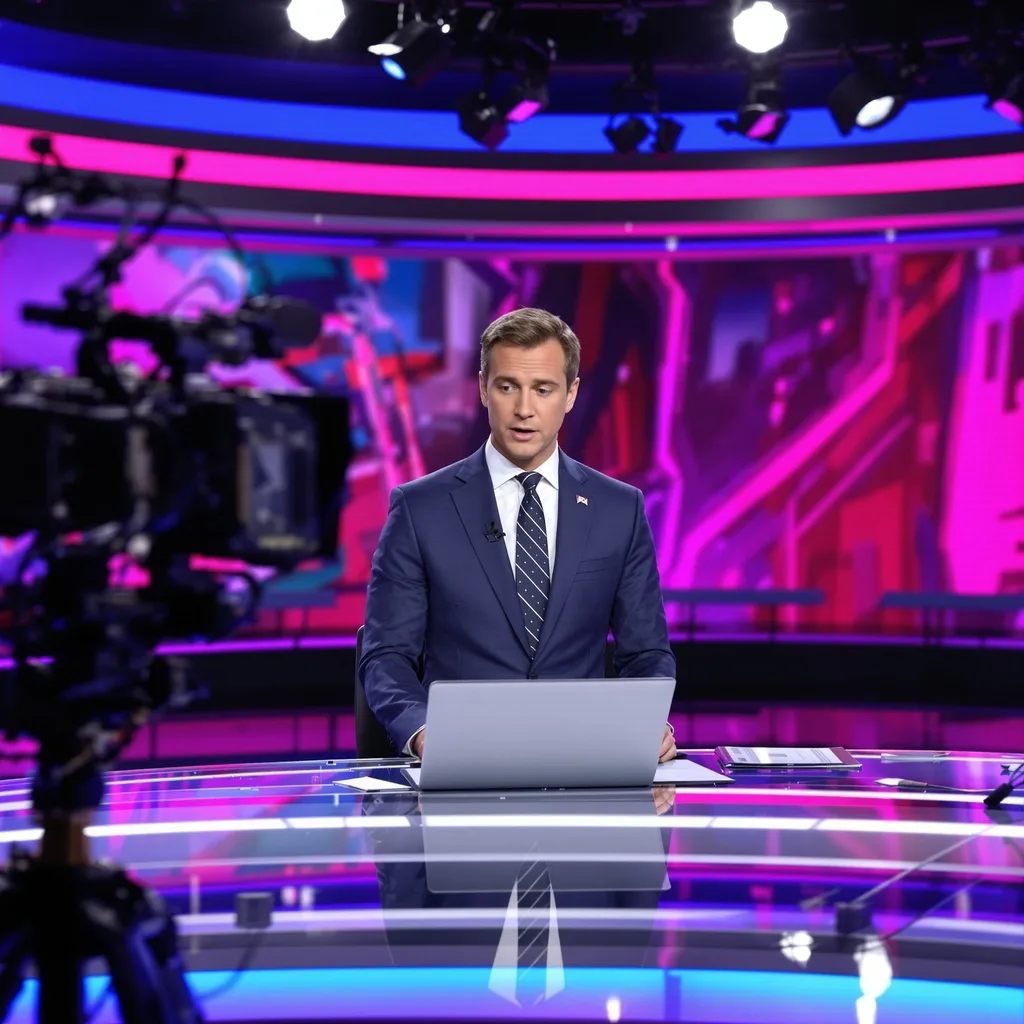
What is Synthetic Media Ethics?
Synthetic Media Ethics Training
The Synthetic Media Ethics certificate program equips professionals and students with the critical frameworks needed to navigate the ethical challenges of AI-generated content. Designed for journalists, media producers, policy advisors, and technologists, this course delivers a practical outcome: the ability to assess, design, and advocate for ethical practices in synthetic media creation and deployment. You will move from foundational concepts to real-world application, ensuring you can identify risks and implement responsible solutions in your own work.
The program is structured to be beginner-friendly, starting with the foundations of synthetic media and ethical frameworks before progressing through consent, authenticity, misinformation, privacy, and bias. It balances theoretical grounding with hands-on case studies drawn from journalism, governance, and emerging tech. You will build four core skill areas: ethical reasoning, risk assessment, regulatory literacy, and accountable content production. Choosing this program now is essential as synthetic media rapidly reshapes public discourse, and organizations urgently need leaders who can uphold trust and integrity in the digital age.
What is Synthetic Media Ethics? — in en
Synthetic Media Ethics is the study of moral principles and responsible practices applied to content generated or manipulated by artificial intelligence, including deepfakes, generative text, synthetic voices, and AI-produced imagery. Its core concepts include authenticity, consent, transparency, accountability, and fairness—each examined through the lens of how synthetic content affects individuals, communities, and democratic institutions. The field draws from media ethics, data ethics, and technology governance to create a coherent framework for evaluating the societal impact of AI-generated media.
Today, synthetic media ethics matters because AI-generated content is no longer a futuristic novelty—it is embedded in newsrooms, advertising, political campaigns, entertainment, and social media platforms. Recent shifts, such as the proliferation of realistic deepfakes and the use of generative models in misinformation campaigns, have made ethical guidelines a pressing regulatory and professional priority. Real-world applications range from verifying digital evidence in journalism to designing consent protocols for synthetic actors in film, and from auditing AI training data for bias to crafting policies for synthetic content labeling in elections.
Mastering synthetic media ethics builds a skill stack that combines critical analysis of technology with human-centered decision-making. Learners develop the ability to evaluate the ethical implications of generative models, design attribution and consent systems, and navigate emerging regulations like the EU AI Act. This expertise is invaluable for media professionals seeking to maintain credibility, for technologists building responsible AI products, and for policymakers crafting governance frameworks. In a landscape where synthetic content can both inform and deceive, ethical fluency is a defining competency for anyone shaping the future of digital communication.
Common Questions About Synthetic Media Ethics
Is Synthetic Media Ethics suitable for complete beginners?
What career benefits does a Synthetic Media Ethics certificate offer?
- Career differentiation: Stand out in a competitive field where ethical expertise is rare.
- Practical knowledge: Learn to navigate consent, bias, and misinformation issues.
- Global perspective: Understand regulations like the EU AI Act and US Deepfake Federal Regulation Act.
How does the C2PA standard help with attribution in synthetic media?
What is the difference between misinformation and disinformation in synthetic media?
Why is consent critical when using someone's likeness in synthetic media?
What are the key provisions of the EU AI Act for deepfakes?
- Transparency obligation: Creators must clearly label any AI-generated or manipulated content as synthetic.
- Risk classification: Deepfakes are considered high-risk when used in contexts like political advertising or biometric identification, triggering stricter compliance requirements.
- Accountability measures: Providers must implement systems for provenance tracking and human oversight to mitigate risks of deception and harm.
Is synthetic media only about creating deepfakes?
What Will This Course Bring You?
- Evaluate ethical frameworks to assess the societal impact of synthetic media content.
- Design consent protocols that ensure authenticity and transparency in synthetic media production.
- Analyze the role of deepfakes in spreading misinformation and their effect on public trust.
- Apply data privacy principles to protect individual rights in synthetic media generation.
- Identify and mitigate biases in generative models to promote fairness in digital content.
- Implement attribution standards for AI-generated media in journalism and media production.
- Develop a personal ethical practice for responsibly creating and sharing synthetic media.
- Critique regulatory approaches to synthetic media governance across different jurisdictions.
Curriculum
12 Units1. Foundations of Synthetic Media
1 hour
2. Ethical Frameworks for Digital Content
1 hour
3. Consent and Authenticity
1 hour
4. Misinformation and Disinformation
1 hour
5. Privacy and Data Rights
1 hour
6. Bias and Fairness in Generative Models
1 hour
7. Accountability and Attribution
1 hour
8. Regulation and Governance
1 hour
9. Synthetic Media in Journalism and Media Production
1 hour
10. Impact on Democracy and Public Discourse
1 hour
11. Future Scenarios and Emerging Challenges
1 hour
12. Developing an Ethical Practice
1 hour
Exam – Synthetic Media Ethics
20 Questions • 70% Pass • 30 min
Unlock All Units for Free
Create an account, enroll in the course, and start with the first unit right away.
Exam – Synthetic Media Ethics
20 Questions • Pass: 70% • 30 min
Course Duration
720
Total Minutes
12
Unit
1
Final Exam
~60
Min / Unit
Synthetic Media Ethics Certificate Program
Document Your Skill
Those who pass the 20-question, 30-minute exam with 70% receive the Synthetic Media Ethics Certificate.
Stand Out on Your CV
By adding your certificate to your CV, gain a professional reference in job applications and stand out from the crowd.
Career Advantage
With the verification code, employers can check your certificate instantly — a concrete way to show your growth.
CERTIFICATE FEE
At the end of the course, an online exam consisting of 20 questions with a 30-minute time limit is given. The exam appears automatically after you complete the topics. Anyone who scores at least 70 out of 100 on the certificate exam is awarded the Synthetic Media Ethics Document (certificate of attendance). You can add the certificate you earn to your CV for job applications in the many sectors listed above, and use it as a reference proving that you took this interactive course.
The Certificate of Achievement you receive with the Synthetic Media Ethics course program holds value that proves your personal and professional development in the business world. By adding it to your CV, it can serve as an important reference in your job applications. Moreover, compared with certificates from other private training institutions, Catch Wisdom certificates are offered to our participants at a much more affordable price.
The Synthetic Media Ethics course certificate is a document that proves, with a unique verification code, that you completed the course. Employers can instantly check its authenticity with this code, which helps you show your development concretely in your job applications.
For more information, we recommend visiting the Support page.
Certificate in 7 Languages
Earning success certificates from our courses is now more meaningful and global. With certificates available in Turkish, English, German, French, Spanish, Arabic, and Russian, we fully unlock the potential of students worldwide.
Why Certificate in 7 Languages?
-
01
Global Skill Development
Receiving your certificates in 7 different languages strengthens your communication skills as you engage with more people worldwide. It lets you operate more confidently and capably on the international stage.
-
02
International Job Opportunities
Employers may see your certificates in multiple languages as a sign of your ability to seize global opportunities. You can open more doors to new jobs and projects.
-
03
Cultural Richness
The chance to earn certificates in different languages helps you build closer ties with various cultures and broadens your worldview. It enriches your global perspective and deepens cultural understanding.
-
04
Ability to Participate in International Projects
Multilingual certificates give you an edge to work more effectively on international projects. They boost your chances of leadership and participation in diverse projects in the business world.
-
05
Prove Yourself on the Global Stage
Certificates in multiple languages give you the opportunity to present your skills and knowledge worldwide.
Language diversity opens worldwide opportunities. If you want to prove yourself in the international arena, join our online Synthetic Media Ethics course program and begin this journey with us.
Frequently Asked Questions (FAQ)
Is this course paid?
How do I join the course?
Can I take the course at my own pace?
How can I get my certificate?
What are the advantages of the certificate?
Boost Your Career
Take a new career step with the Synthetic Media Ethics course. Add your certificate to your CV, stand out in job applications, and open the door to new opportunities in the industry.
StartStudent Reviews
No reviews yet
Enroll in this course and be the first to leave a review about your experience with Synthetic Media Ethics.
Start