What is Tango Dance?
Tango Dance Training Program
The Tango Dance certificate program is a structured training path that teaches the technique, musicality, and social intelligence of Argentine tango from the ground up. It is designed for absolute beginners who want a reliable foundation, for social dancers who feel stuck in repetitive patterns, and for movement teachers seeking a deeper understanding of partner connection and improvisation. Across the lessons, learners work through music and roles, posture and embrace, weight transfer and the tango walk, lead-and-follow dynamics, core vocabulary such as salida, cruzada, and rock steps, pivots, ochos, and giros, plus milonga rhythm, vals timing, musical phrasing, navigation, floorcraft, and milonga etiquette. The main practical outcome is the ability to move with confidence and musical awareness in a real social dance setting, using a shared vocabulary that supports both improvisation and respectful floorcraft.
The program is organized as a beginner-friendly progression: early lessons establish body awareness, embrace, and walking before introducing turns, syncopation, and advanced vocabulary like sacadas, boleos, and ganchos. Theory and practice are balanced throughout, with musical concepts such as phrasing and continuous flow paired directly with movement drills, partner exercises, and guided improvisation. It builds five core skill areas: technique and balance, musicality across tango, milonga, and vals, partner connection and communication, vocabulary and improvisational repertoire, and social navigation with milonga readiness. Learners choose this program now because tango communities worldwide reward dancers who understand etiquette, floorcraft, and musicality alongside steps, and a structured certificate path offers a clear alternative to piecemeal classes that often leave gaps in foundation and confidence.
What is Tango Dance?
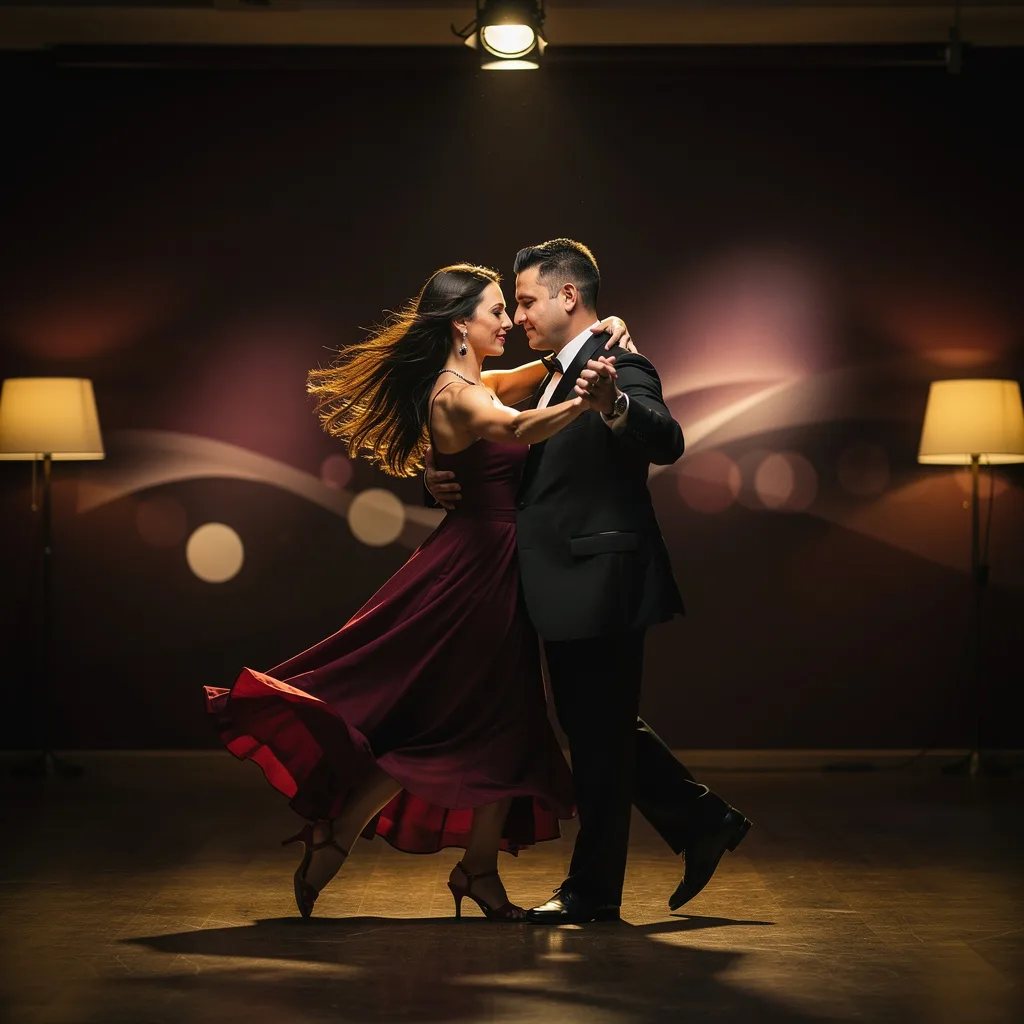
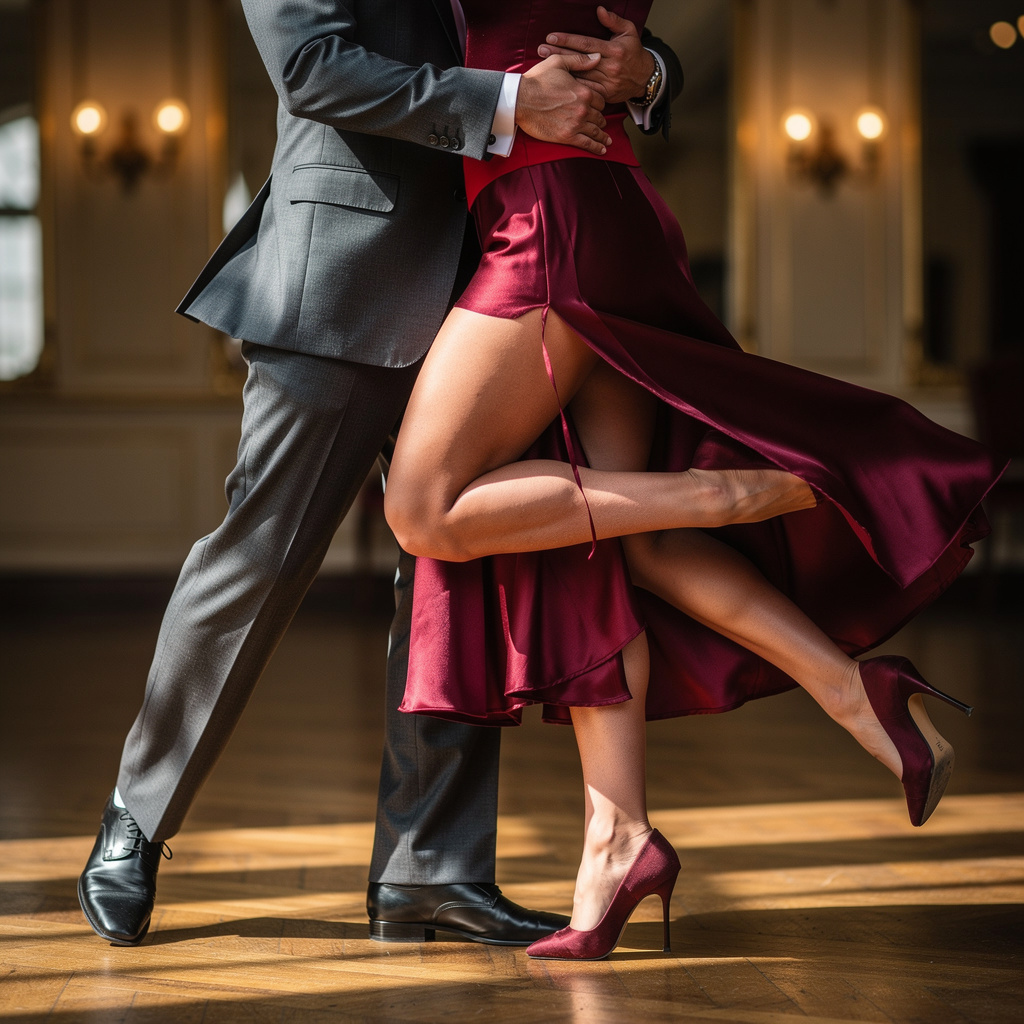
Tango dance is an improvised partner dance rooted in Argentine social traditions, where two people share a close or open embrace and move to the phrasing of tango music. Its scope covers walking-based movement, axis and weight transfer, dissociation of the upper and lower body, lead-and-follow communication, and a rich vocabulary of turns, pivots, and leg gestures. Core concepts include the embrace as a living frame, the use of contra-body movement, the distinction between lead and follow as a conversation rather than a command, and the musical families of tango, milonga, and vals. Tango is also a cultural practice with codes of conduct, spatial awareness, and improvisational decision-making that shape how dancers share a floor.
Tango matters today because it functions as a global social dance form with festivals, marathons, and local milongas that connect people across languages and generations, while its UNESCO-recognized heritage has increased interest in authentic technique and cultural context. In real life, tango is used for personal wellbeing, community building, and creative expression, and it appears in performance, theater, and dance education as a laboratory for partner communication and improvisation. Recent shifts include online technique analysis, a growing emphasis on safe and inclusive floorcraft, and cross-training with contemporary dance and somatic practices. These changes make tango more accessible to adult beginners and more relevant to dancers who want transferable skills in listening, spatial reasoning, and embodied coordination.
Mastering tango dance builds a skill stack that combines physical technique, musical interpretation, partner attunement, and social awareness. Dancers develop calibrated balance, refined weight transfer, responsive embrace, improvisational decision-making, and the ability to read a crowded floor while staying connected to the music and a partner. These skills benefit personal contexts such as social dancing, confidence in partner work, and stress relief through focused movement, as well as professional contexts including dance teaching, performance, event hosting, and community facilitation. The subject also strengthens cultural literacy and interpersonal sensitivity, because tango requires ongoing negotiation of space, timing, and intention within a shared tradition.
What Will This Course Bring You?
- Analyze tango music's rhythmic structure and social roles to select appropriate dance behaviors in milonga settings.
- Demonstrate posture, balance, and embrace adjustments that maintain axis and comfortable connection with a partner.
- Apply weight transfer principles to execute a controlled tango walk with clear intention and smooth timing.
- Implement lead and follow signals through frame and body to initiate and respond to movements without verbal cues.
- Execute salida, cruzada, and rock steps in sequence while preserving balance and partner connection.
- Coordinate pivots, ochos, and giros to maintain continuous axis control and clear rotational communication.
- Adapt timing and syncopation to milonga rhythm and vals continuous flow during partner dancing.
- Integrate sacadas, boleos, and ganchos into improvised phrases while applying floorcraft to navigate crowded milonga spaces.
Curriculum
12 Units1. Foundations: Music, Roles, and Social Context
1 hour
2. Posture, Balance, and the Embrace
1 hour
3. Weight Transfer and the Tango Walk
1 hour
4. Connection, Lead, and Follow
1 hour
5. Core Vocabulary: Salida, Cruzada, and Rock Steps
1 hour
6. Pivots, Ochos, and Giros
1 hour
7. Milonga Rhythm and Syncopation
1 hour
8. Vals Timing and Continuous Flow
1 hour
9. Musicality, Phrasing, and Expression
1 hour
10. Navigation, Floorcraft, and Milonga Etiquette
1 hour
11. Advanced Vocabulary: Sacadas, Boleos, and Ganchos
1 hour
12. Improvisation, Repertoire, and Milonga Readiness
1 hour
Exam – Tango Dance
20 Questions • 70% Pass • 30 min
Unlock All Units for Free
Create an account, enroll in the course, and start with the first unit right away.
Exam – Tango Dance
20 Questions • Pass: 70% • 30 min
Course Duration
720
Total Minutes
12
Unit
1
Final Exam
~60
Min / Unit
Tango Dance Certificate Program
Document Your Skill
Those who pass the 20-question, 30-minute exam with 70% receive the Tango Dance Certificate.
Stand Out on Your CV
By adding your certificate to your CV, gain a professional reference in job applications and stand out from the crowd.
Career Advantage
With the verification code, employers can check your certificate instantly — a concrete way to show your growth.
CERTIFICATE FEE
At the end of the course, an online exam consisting of 20 questions with a 30-minute time limit is given. The exam appears automatically after you complete the topics. Anyone who scores at least 70 out of 100 on the certificate exam is awarded the Tango Dance Document (certificate of attendance). You can add the certificate you earn to your CV for job applications in the many sectors listed above, and use it as a reference proving that you took this interactive course.
The Certificate of Achievement you receive with the Tango Dance course program holds value that proves your personal and professional development in the business world. By adding it to your CV, it can serve as an important reference in your job applications. Moreover, compared with certificates from other private training institutions, Catch Wisdom certificates are offered to our participants at a much more affordable price.
The Tango Dance course certificate is a document that proves, with a unique verification code, that you completed the course. Employers can instantly check its authenticity with this code, which helps you show your development concretely in your job applications.
For more information, we recommend visiting the Support page.
Certificate in 7 Languages
Earning success certificates from our courses is now more meaningful and global. With certificates available in Turkish, English, German, French, Spanish, Arabic, and Russian, we fully unlock the potential of students worldwide.
Why Certificate in 7 Languages?
-
01
Global Skill Development
Receiving your certificates in 7 different languages strengthens your communication skills as you engage with more people worldwide. It lets you operate more confidently and capably on the international stage.
-
02
International Job Opportunities
Employers may see your certificates in multiple languages as a sign of your ability to seize global opportunities. You can open more doors to new jobs and projects.
-
03
Cultural Richness
The chance to earn certificates in different languages helps you build closer ties with various cultures and broadens your worldview. It enriches your global perspective and deepens cultural understanding.
-
04
Ability to Participate in International Projects
Multilingual certificates give you an edge to work more effectively on international projects. They boost your chances of leadership and participation in diverse projects in the business world.
-
05
Prove Yourself on the Global Stage
Certificates in multiple languages give you the opportunity to present your skills and knowledge worldwide.
Language diversity opens worldwide opportunities. If you want to prove yourself in the international arena, join our online Tango Dance course program and begin this journey with us.
Frequently Asked Questions (FAQ)
Is this course paid?
How do I join the course?
Can I take the course at my own pace?
How can I get my certificate?
What are the advantages of the certificate?
Boost Your Career
Take a new career step with the Tango Dance course. Add your certificate to your CV, stand out in job applications, and open the door to new opportunities in the industry.
StartStudent Reviews
No reviews yet
Enroll in this course and be the first to leave a review about your experience with Tango Dance.
Start