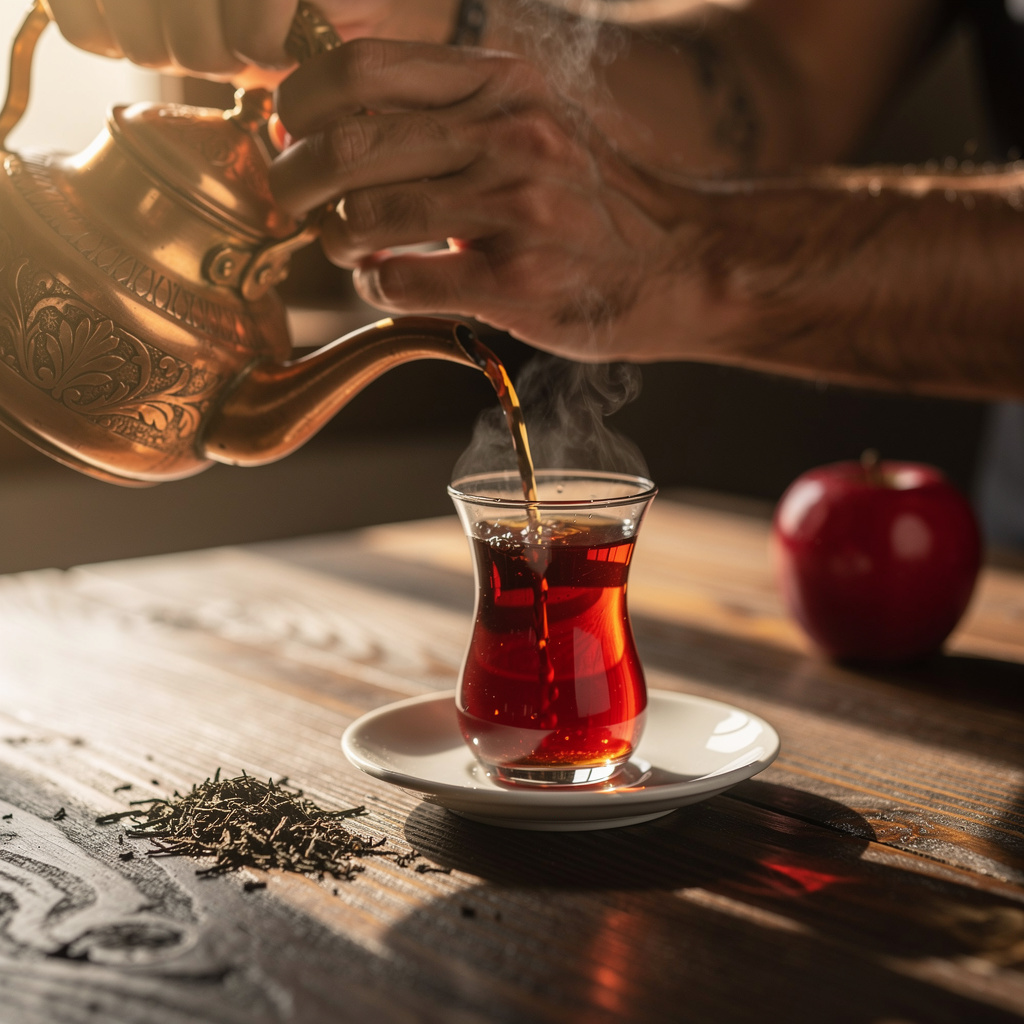
What is Tea Tasting and Brewing?
Tea Tasting and Brewing Education
The Tea Tasting and Brewing certificate program is a comprehensive, hands-on journey designed for aspiring tea professionals, hospitality specialists, and curious enthusiasts who want to master the art and science of tea. This course takes you from the tea plant's origins and processing methods through to advanced sensory evaluation, equipping you with the practical skills to brew exceptional cups and articulate flavor profiles with confidence. By the end, you will have built a repeatable tasting routine, a refined palate, and the ability to select, brew, and pair teas like a seasoned expert.
The program is structured as a beginner-friendly progression that balances theoretical foundations with immersive practice across twelve focused lessons. You will develop four core skill areas: tea knowledge (varieties, processing, and characteristics), brewing science (water, temperature, time, and equipment), sensory analysis (tasting techniques, flavor wheel, and descriptive language), and applied creativity (optimizing extraction, food pairing, and designing your own tasting sessions). This is the ideal moment to enroll because the global tea market is experiencing a renaissance in specialty and single-origin teas, and professionals who can evaluate and brew with precision are in high demand—whether in cafes, tea houses, product development, or content creation.
What is Tea Tasting and Brewing?
Tea tasting and brewing is the disciplined practice of preparing tea under controlled conditions and evaluating its sensory attributes—aroma, flavor, mouthfeel, and aftertaste—using a structured methodology. It encompasses the entire journey from leaf to cup: understanding how cultivar, terroir, harvest season, and processing steps (withering, oxidation, rolling, firing) shape a tea's character, and how variables like water chemistry, temperature, steeping time, and vessel material influence extraction. Core concepts include the tea flavor wheel, cupping protocols, and the balance between bitterness, astringency, sweetness, and umami that defines a well-brewed infusion.
Today, tea tasting and brewing matters more than ever as consumers demand transparency and quality in a market flooded with commodity teas. Specialty tea houses, sommeliers, and competitive tea events rely on standardized cupping to grade and compare leaves, while cafes and restaurants use precise brewing techniques to deliver consistent, memorable experiences. Recent shifts toward wellness and mindful consumption have also elevated tea's role in gastronomy, with chefs and mixologists experimenting with tea infusions, pairings, and cold brews—making sensory expertise a valuable differentiator in hospitality and food media.
Mastering this subject builds a robust skill stack that combines scientific precision with artistic intuition. You learn to diagnose brewing flaws, adjust variables to highlight a tea's strengths, and communicate nuanced flavor notes using a shared vocabulary. This capability benefits professionals in tea retail, quality control, culinary arts, and beverage development, as well as home enthusiasts seeking deeper appreciation. The discipline also sharpens general sensory awareness and critical thinking, making it a rewarding pursuit for anyone passionate about flavor, culture, and the rituals that bring people together.
Common Questions About Tea Tasting and Brewing
Can a tea tasting certificate boost my career?
Is the tea tasting certification suitable for beginners?
How does water hardness affect tea brewing?
Why is oxidation crucial in oolong tea processing?
- Flavor complexity: Lower oxidation yields floral and grassy notes, while higher oxidation brings out fruity, honeyed, or roasted characteristics.
- Color and body: Lightly oxidized oolongs brew pale yellow with a delicate body, whereas heavily oxidized ones produce amber liquor with a fuller mouthfeel.
- Astringency and aftertaste: Oxidation reduces harsh bitterness and develops the smooth, lingering finish that oolong lovers prize.
What is the difference between gongfu and western brewing methods?
How do I use the tea flavor wheel to describe a cup?
Is it true that boiling water is best for all teas?
What Will This Course Bring You?
- Analyze how tea plant origin, cultivar, and processing steps influence the final flavor and aroma profile.
- Apply scientific principles of water chemistry, temperature, and steeping time to brew a balanced cup.
- Evaluate various brewing devices and methods to select the optimal approach for different tea categories.
- Develop a structured sensory tasting protocol using the tea flavor wheel to articulate nuanced characteristics.
- Implement extraction variables such as leaf-to-water ratio, time, and temperature to optimize sweetness and reduce bitterness.
- Compare and contrast the distinct flavor profiles of white, green, oolong, black, pu-erh, and dark teas.
- Perform professional cupping evaluations to assess tea quality, body, and aftertaste across multiple samples.
- Build a personalized tasting routine to systematically refine your palate and record observations.
Curriculum
12 Units1. Tea Fundamentals: Origins, Plant, and Processing
1 hour
2. Tea Varieties and Their Characteristics
1 hour
3. The Science of Brewing: Water, Temperature, and Time
1 hour
4. Brewing Equipment and Methods
1 hour
5. Sensory Foundations: The Art of Tasting
1 hour
6. The Tea Flavor Wheel and Descriptive Language
1 hour
7. Brewing for Taste: Optimizing Extraction
1 hour
8. Exploring White and Green Teas
1 hour
9. Exploring Oolong and Black Teas
1 hour
10. Exploring Pu-erh and Dark Teas
1 hour
11. Advanced Tasting Techniques: Cupping and Evaluation
1 hour
12. Tea and Food Pairing, and Creating Your Own Tasting Routine
1 hour
Exam – Tea Tasting and Brewing
20 Questions • 70% Pass • 30 min
Unlock All Units for Free
Create an account, enroll in the course, and start with the first unit right away.
Exam – Tea Tasting and Brewing
20 Questions • Pass: 70% • 30 min
Course Duration
720
Total Minutes
12
Unit
1
Final Exam
~60
Min / Unit
Tea Tasting and Brewing Certificate Program
Document Your Skill
Those who pass the 20-question, 30-minute exam with 70% receive the Tea Tasting and Brewing Certificate.
Stand Out on Your CV
By adding your certificate to your CV, gain a professional reference in job applications and stand out from the crowd.
Career Advantage
Catch Wisdom certificates are recognized by HR departments and increase career opportunities.
CERTIFICATE FEE
At the end of the course, an online exam consisting of 20 questions with a 30-minute time limit is given. The exam appears automatically after you complete the topics. Anyone who scores at least 70 out of 100 on the certificate exam is awarded the Tea Tasting and Brewing Document (certificate of attendance). You can add the certificate you earn to your CV for job applications in the many sectors listed above, and use it as a reference proving that you took this interactive course.
The Certificate of Achievement you receive with the Tea Tasting and Brewing course program holds value that proves your personal and professional development in the business world. By adding it to your CV, it can serve as an important reference in your job applications. Moreover, compared with certificates from other private training institutions, Catch Wisdom certificates are offered to our participants at a much more affordable price.
Because HR departments recognize Catch Wisdom as a reputable institution in this field, they value these certificates and may evaluate your job applications favorably. For this reason, a Tea Tasting and Brewing course certificate from Catch Wisdom can make your applications more attractive and place you in an advantageous position in the business world.
For more information, we recommend visiting the Support page.
Certificate in 7 Languages
Earning success certificates from our courses is now more meaningful and global. With certificates available in Turkish, English, German, French, Spanish, Arabic, and Russian, we fully unlock the potential of students worldwide.
Why Certificate in 7 Languages?
-
01
Global Skill Development
Receiving your certificates in 7 different languages strengthens your communication skills as you engage with more people worldwide. It lets you operate more confidently and capably on the international stage.
-
02
International Job Opportunities
Employers may see your certificates in multiple languages as a sign of your ability to seize global opportunities. You can open more doors to new jobs and projects.
-
03
Cultural Richness
The chance to earn certificates in different languages helps you build closer ties with various cultures and broadens your worldview. It enriches your global perspective and deepens cultural understanding.
-
04
Ability to Participate in International Projects
Multilingual certificates give you an edge to work more effectively on international projects. They boost your chances of leadership and participation in diverse projects in the business world.
-
05
Prove Yourself on the Global Stage
Certificates in multiple languages let you showcase your skills and knowledge worldwide. You can become an internationally recognized professional.
Language diversity opens worldwide opportunities. If you want to prove yourself in the international arena, join our online Tea Tasting and Brewing course program and begin this journey with us.
Frequently Asked Questions (FAQ)
Is this course paid?
How do I join the course?
Can I take the course at my own pace?
How can I get my certificate?
What are the advantages of the Certified Certificate?
Boost Your Career
Take a new career step with the Tea Tasting and Brewing course. Add your certificate to your CV, stand out in job applications, and open the door to new opportunities in the industry.
StartStudent Reviews
No reviews yet
Enroll in this course and be the first to leave a review about your experience with Tea Tasting and Brewing.
Start