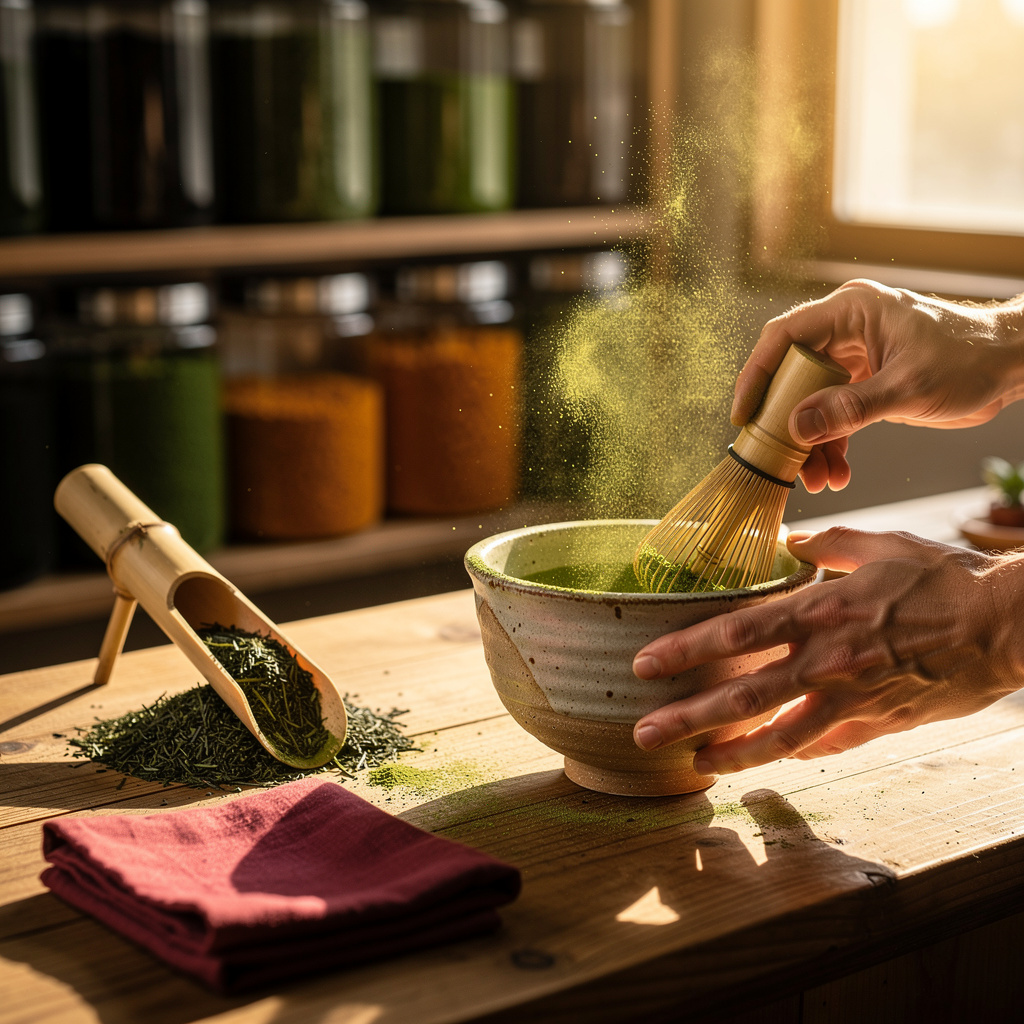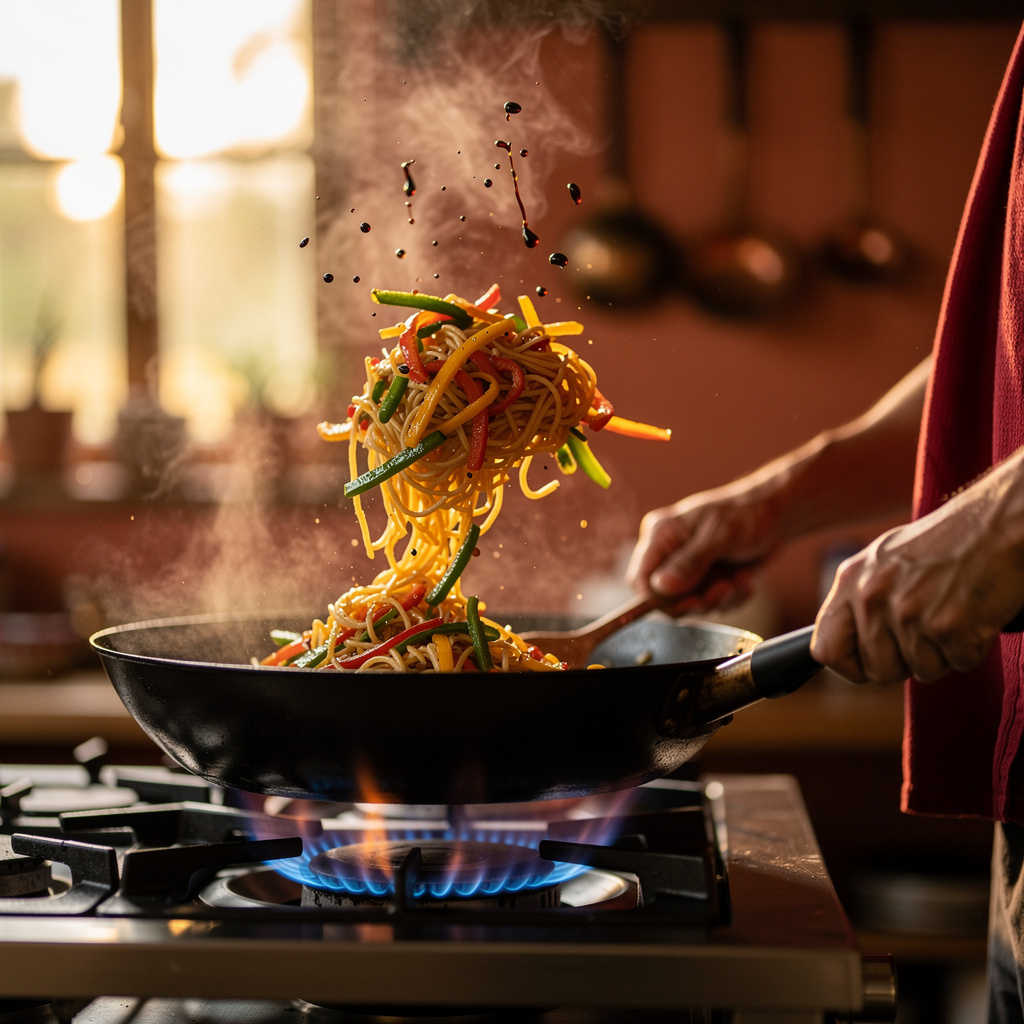
What is Thai and Southeast Asian Wok Cooking?
Thai and Southeast Asian Wok Cooking Training
The Thai and Southeast Asian Wok Cooking certificate program is a hands-on journey into the high-heat, aromatic world of wok-based cuisine, designed for home cooks, culinary enthusiasts, and aspiring chefs who want to master the authentic techniques behind the region’s most iconic dishes. From the sizzling street stalls of Bangkok to the hawker centers of Singapore, this program teaches you to build deep, complex flavors using fundamental skills like wok hei control, curry paste pounding, and the perfect balance of sweet, salty, sour, and spicy. By the end, you will confidently prepare restaurant-quality Pad Thai, Nasi Goreng, and fiery basil stir-fries entirely from scratch, equipped with a practical understanding of ingredient sourcing and wok maintenance that lasts a lifetime.
The program is structured as a progressive culinary immersion, beginning with essential equipment care and a deep dive into the Southeast Asian pantry before moving into core stir-fry techniques and heat mastery. You will then explore distinct national traditions through dedicated lessons on Thai street noodles, Vietnamese sizzling plates, Indonesian and Malaysian staples, and Singaporean hawker classics, while also building skills in wok-seared seafood, vegetarian adaptations, and the art of wok-cooked rice dishes. This balanced blend of theory and practice ensures you not only replicate recipes but internalize the improvisational spirit of the wok, making it the ideal choice for anyone seeking to bring bold, vibrant, and healthy Southeast Asian cooking into their home kitchen or professional repertoire right now.
What is Thai and Southeast Asian Wok Cooking?
Thai and Southeast Asian wok cooking is a dynamic culinary tradition centered on the wok, a versatile round-bottomed pan that enables rapid, high-heat preparation of stir-fries, curries, noodles, and rice dishes. At its core, this cuisine is defined by the art of balancing fundamental taste elements—sweet, salty, sour, bitter, and umami—using ingredients like fish sauce, palm sugar, tamarind, and fresh herbs. The technique of achieving "wok hei," or the breath of the wok, imparts a distinctive smoky char that is the hallmark of expertly stir-fried dishes, while the layering of aromatics such as garlic, shallots, lemongrass, and galangal creates the deep, complex flavor profiles found in everything from a simple street-food pad krapow to a rich, slow-simmered Massaman curry.
In today’s global culinary landscape, Southeast Asian wok cooking has surged in popularity due to its emphasis on fresh, vibrant ingredients and quick, health-conscious preparation methods. The intense heat of the wok sears proteins and vegetables rapidly, preserving their texture and nutrients while creating the coveted smoky flavor, making it a perfect fit for modern lifestyles that demand both speed and quality. Beyond home kitchens, these techniques are the backbone of bustling night markets, high-end fusion restaurants, and the global street food movement, where the theatrical sizzle of the wok and the bold, layered flavors of dishes like Char Kway Teow and sambal prawns continue to captivate diners and drive culinary trends.
Mastering the subject of Thai and Southeast Asian wok cooking builds a versatile skill stack that extends far beyond a single recipe book. It cultivates an intuitive understanding of heat management, ingredient substitution, and the delicate art of flavor balancing, empowering you to improvise confidently with whatever fresh produce and proteins are available. This knowledge is invaluable for home cooks seeking to elevate their weeknight meals, food entrepreneurs developing unique menu concepts, or culinary professionals aiming to specialize in one of the world’s most exciting and health-forward cooking traditions, where the wok becomes a tool for endless creative expression.
Common Questions About Thai and Southeast Asian Wok Cooking
Is this wok cooking course suitable for complete beginners?
How long does the Southeast Asian wok course take?
How do I achieve wok hei on a home gas stove?
- Preheat the wok until it smokes lightly.
- Add oil and swirl to coat the surface.
- Work in small batches to maintain high heat.
- Keep ingredients moving with a spatula.
What is the difference between light and dark soy sauce?
Why is fish sauce the umami backbone in Thai wok cooking?
How to season a new carbon steel wok properly?
- Scrub the wok with hot water and a stiff brush to remove the protective coating.
- Dry it thoroughly over low heat.
- Apply a thin layer of high-smoke-point oil (like grapeseed) to the entire surface.
- Heat the wok over medium-high heat until the oil smokes and turns dark.
- Repeat the oiling and heating process 2-3 times for a durable patina.
Is it true that you should never wash a wok with soap?
What Will This Course Bring You?
- Select, season, and maintain a carbon steel wok to achieve optimal non-stick properties and longevity for Southeast Asian cooking.
- Identify and balance core Southeast Asian flavor foundations—such as fish sauce, tamarind, palm sugar, and shrimp paste—to build authentic regional profiles.
- Apply precise wok hei techniques by controlling heat zones and tossing motions to impart smoky, charred notes in stir-fried dishes.
- Execute the distinct noodle-frying methods for Pad Thai and Pad See Ew, including sauce caramelization and protein-starch sequencing.
- Build layered Thai curries from scratch in the wok, frying pastes and reducing coconut milk to achieve the correct consistency for red, green, and massaman varieties.
- Master high-heat stir-frying of Thai basil chicken and cashew chicken, timing aromatic infusions and sauce reductions for vibrant, glossy finishes.
- Prepare Vietnamese sizzling wok plates and Indonesian Nasi Goreng, incorporating sweet soy, crispy shallots, and traditional garnishes for textural contrast.
- Create vegetarian and vegan wok dishes by pressing and searing tofu and tempeh, and combining with Southeast Asian sauces to replicate umami depth.
Curriculum
12 Units1. The Wok: Selection, Seasoning, and Care
1 hour
2. The Southeast Asian Pantry: Key Ingredients and Flavor Foundations
1 hour
3. Mastering Wok Heat and Core Stir-Fry Techniques
1 hour
4. Thai Street Food Noodle Classics: Pad Thai and Pad See Ew
1 hour
5. Thai Curries in the Wok: Red, Green, and Massaman
1 hour
6. Thai Stir-Fries: Basil Chicken, Cashew Chicken, and Holy Basil Stir-Fry
1 hour
7. Vietnamese Wok Noodles and Sizzling Plates
1 hour
8. Indonesian and Malaysian Wok Staples: Nasi Goreng and Mee Goreng
1 hour
9. Singaporean Hawker Favorites: Char Kway Teow and Hokkien Mee
1 hour
10. Wok-Seared Seafood: From Thai Fish Cakes to Sambal Prawns
1 hour
11. Vegetarian and Vegan Wok Cooking: Tofu, Tempeh, and Vegetable Medleys
1 hour
12. Wok-Cooked Rice Dishes: Fried Rice Variations Across Southeast Asia
1 hour
Exam – Thai and Southeast Asian Wok Cooking
20 Questions • 70% Pass • 30 min
Unlock All Units for Free
Create an account, enroll in the course, and start with the first unit right away.
Exam – Thai and Southeast Asian Wok Cooking
20 Questions • Pass: 70% • 30 min
Course Duration
720
Total Minutes
12
Unit
1
Final Exam
~60
Min / Unit
Thai and Southeast Asian Wok Cooking Certificate Program
Document Your Skill
Those who pass the 20-question, 30-minute exam with 70% receive the Thai and Southeast Asian Wok Cooking Certificate.
Stand Out on Your CV
By adding your certificate to your CV, gain a professional reference in job applications and stand out from the crowd.
Career Advantage
Catch Wisdom certificates are recognized by HR departments and increase career opportunities.
CERTIFICATE FEE
At the end of the course, an online exam consisting of 20 questions with a 30-minute time limit is given. The exam appears automatically after you complete the topics. Anyone who scores at least 70 out of 100 on the certificate exam is awarded the Thai and Southeast Asian Wok Cooking Document (certificate of attendance). You can add the certificate you earn to your CV for job applications in the many sectors listed above, and use it as a reference proving that you took this interactive course.
The Certificate of Achievement you receive with the Thai and Southeast Asian Wok Cooking course program holds value that proves your personal and professional development in the business world. By adding it to your CV, it can serve as an important reference in your job applications. Moreover, compared with certificates from other private training institutions, Catch Wisdom certificates are offered to our participants at a much more affordable price.
Because HR departments recognize Catch Wisdom as a reputable institution in this field, they value these certificates and may evaluate your job applications favorably. For this reason, a Thai and Southeast Asian Wok Cooking course certificate from Catch Wisdom can make your applications more attractive and place you in an advantageous position in the business world.
For more information, we recommend visiting the Support page.
Certificate in 7 Languages
Earning success certificates from our courses is now more meaningful and global. With certificates available in Turkish, English, German, French, Spanish, Arabic, and Russian, we fully unlock the potential of students worldwide.
Why Certificate in 7 Languages?
-
01
Global Skill Development
Receiving your certificates in 7 different languages strengthens your communication skills as you engage with more people worldwide. It lets you operate more confidently and capably on the international stage.
-
02
International Job Opportunities
Employers may see your certificates in multiple languages as a sign of your ability to seize global opportunities. You can open more doors to new jobs and projects.
-
03
Cultural Richness
The chance to earn certificates in different languages helps you build closer ties with various cultures and broadens your worldview. It enriches your global perspective and deepens cultural understanding.
-
04
Ability to Participate in International Projects
Multilingual certificates give you an edge to work more effectively on international projects. They boost your chances of leadership and participation in diverse projects in the business world.
-
05
Prove Yourself on the Global Stage
Certificates in multiple languages let you showcase your skills and knowledge worldwide. You can become an internationally recognized professional.
Language diversity opens worldwide opportunities. If you want to prove yourself in the international arena, join our online Thai and Southeast Asian Wok Cooking course program and begin this journey with us.
Frequently Asked Questions (FAQ)
Is this course paid?
How do I join the course?
Can I take the course at my own pace?
How can I get my certificate?
What are the advantages of the Certified Certificate?
Boost Your Career
Take a new career step with the Thai and Southeast Asian Wok Cooking course. Add your certificate to your CV, stand out in job applications, and open the door to new opportunities in the industry.
StartStudent Reviews
No reviews yet
Enroll in this course and be the first to leave a review about your experience with Thai and Southeast Asian Wok Cooking.
Start