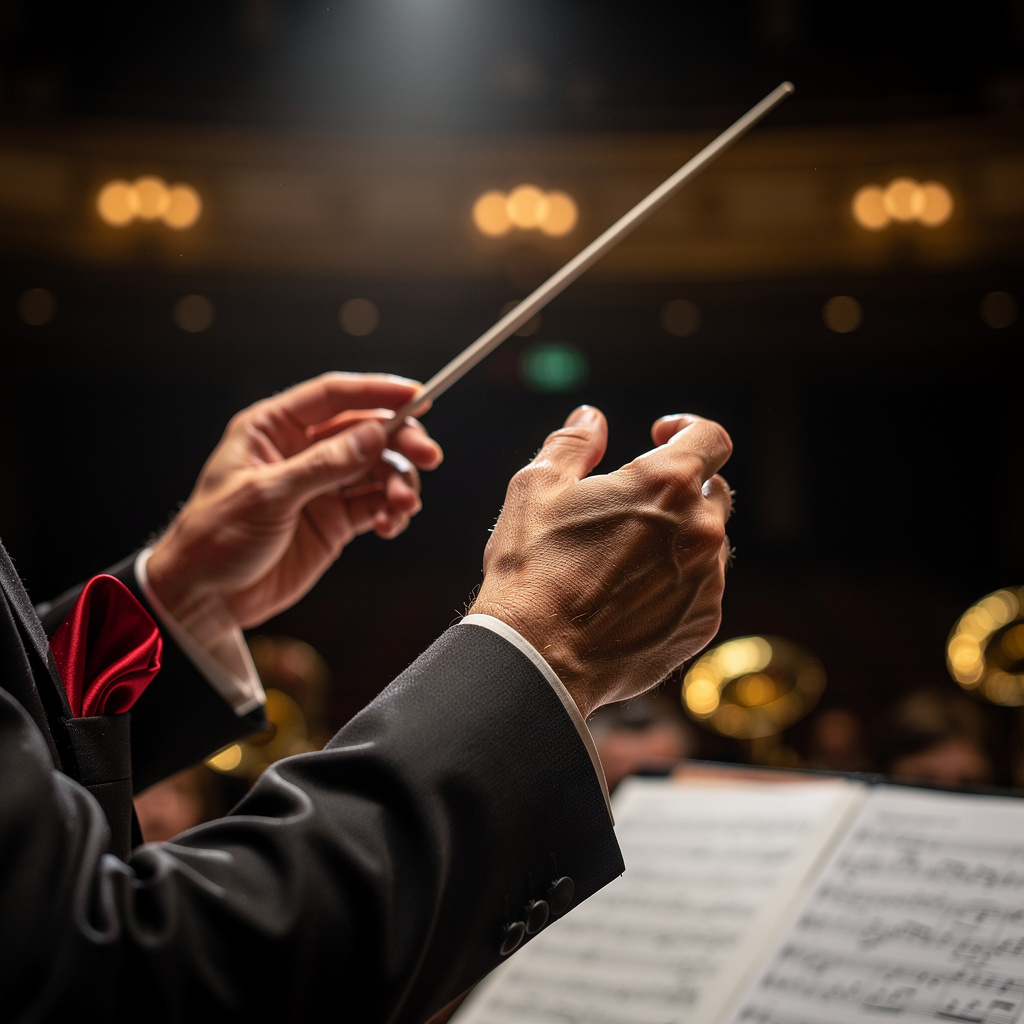
What is Understanding Classical Music?
Understanding Classical Music Training
The Understanding Classical Music certificate program offers a comprehensive journey through the history, theory, and practice of Western classical music, from the Baroque era to contemporary compositions. Designed for absolute beginners as well as lifelong music enthusiasts, this course demystifies the orchestra, its instruments, and the fundamental elements of melody, harmony, and rhythm. By the end of the program, participants will be able to identify major musical forms such as the symphony, concerto, sonata, and opera, and will have developed a confident vocabulary for discussing and appreciating classical works. The practical outcome is a lasting ability to listen critically and enjoyably to classical music in any setting, from concert halls to streaming playlists.
The program is structured as a beginner-friendly progression that moves from foundational concepts—what classical music is, how the orchestra works, and the building blocks of musical expression—through the major historical eras, culminating in the 20th century and beyond. Each lesson balances theoretical knowledge with guided listening practice, building four core skill areas: historical awareness, structural recognition, instrumental identification, and critical listening. Learners will also explore the masterpieces of great composers and trace how classical music continues to shape modern culture, from film scores to popular music. With the rise of streaming platforms and the growing interest in mindfulness and deep listening, there has never been a better moment to gain a structured understanding of this rich artistic tradition.
What is Understanding Classical Music?
Classical music is a broad and evolving tradition that encompasses over four centuries of composed music, rooted in the Western art music canon but continually expanding to include new voices and styles. Its core concepts include musical elements such as melody, harmony, and rhythm, as well as formal structures like sonata form, fugue, and theme-and-variations that give compositions their shape and meaning. The tradition spans distinct historical periods—Baroque, Classical, Romantic, and modern—each with its own aesthetic principles, instrumental practices, and cultural contexts. At its heart, classical music is a language of emotion and intellect, communicated through the interplay of instruments, voices, and silence.
Today, classical music remains profoundly relevant, not only in concert halls and opera houses but also in film scoring, video game soundtracks, advertising, and even therapeutic settings. Research has demonstrated its effects on cognitive focus, emotional regulation, and stress reduction, making it a valuable resource in education, healthcare, and personal well-being. The streaming revolution has democratized access to classical recordings, while contemporary composers continue to push boundaries, blending classical forms with jazz, electronic, and world music influences. This ongoing evolution ensures that classical music is not a museum piece but a living, breathing art form that speaks to modern audiences.
Mastering the subject of classical music builds a sophisticated skill stack that includes active listening, pattern recognition, historical contextualization, and cultural literacy—abilities that transfer well beyond the concert hall. For professionals in education, the arts, media, and creative industries, this knowledge enhances communication, critical thinking, and creative inspiration. On a personal level, understanding classical music deepens one's capacity for aesthetic appreciation, emotional resonance, and mindful attention in an increasingly distracted world. Whether pursued for professional enrichment or personal growth, this subject equips learners with a lifelong companion of beauty and meaning.
Common Questions About Understanding Classical Music
Does the certificate from this classical music course improve my resume?
Can a total beginner start this understanding classical music course?
What is basso continuo and why was it important in Baroque music?
- Keyboard: harpsichord or organ, realizing the chords
- Bass instrument: cello, viola da gamba, or bassoon, doubling the bass line
- Optional melodic instrument: such as a lute or theorbo, adding texture
How does sonata form structure the first movement of a symphony?
Why is the string section considered the foundation of the orchestra?
What is the difference between homophony and polyphony in classical music?
Do I need to read music to understand classical music?
What Will This Course Bring You?
- Define classical music and differentiate it from popular and folk traditions.
- Identify the four instrument families of the orchestra and describe their characteristic sounds.
- Analyze how melody, harmony, and rhythm interact to create musical tension and release.
- Apply knowledge of binary and ternary forms to map the structure of a given composition.
- Evaluate the use of basso continuo and ornamentation in a Baroque concerto.
- Assess the clarity of phrasing and harmonic simplicity in a Classical-era sonata.
- Distinguish among symphony, concerto, sonata, and opera based on their structural and performance conventions.
- Apply active listening strategies to identify musical elements and form in a live performance.
Curriculum
12 Units1. What Is Classical Music?
1 hour
2. The Orchestra and Its Instruments
1 hour
3. Musical Elements: Melody, Harmony, and Rhythm
1 hour
4. Musical Form and Structure
1 hour
5. The Baroque Era (1600–1750)
1 hour
6. The Classical Era (1750–1820)
1 hour
7. The Romantic Era (1820–1900)
1 hour
8. The 20th Century and Beyond
1 hour
9. Major Genres: Symphony, Concerto, Sonata, and Opera
1 hour
10. Great Composers and Their Masterpieces
1 hour
11. How to Listen to Classical Music
1 hour
12. Classical Music in Modern Culture
1 hour
Exam – Understanding Classical Music
20 Questions • 70% Pass • 30 min
Unlock All Units for Free
Create an account, enroll in the course, and start with the first unit right away.
Exam – Understanding Classical Music
20 Questions • Pass: 70% • 30 min
Course Duration
720
Total Minutes
12
Unit
1
Final Exam
~60
Min / Unit
Understanding Classical Music Certificate Program
Document Your Skill
Those who pass the 20-question, 30-minute exam with 70% receive the Understanding Classical Music Certificate.
Stand Out on Your CV
By adding your certificate to your CV, gain a professional reference in job applications and stand out from the crowd.
Career Advantage
Catch Wisdom certificates are recognized by HR departments and increase career opportunities.
CERTIFICATE FEE
At the end of the course, an online exam consisting of 20 questions with a 30-minute time limit is given. The exam appears automatically after you complete the topics. Anyone who scores at least 70 out of 100 on the certificate exam is awarded the Understanding Classical Music Document (certificate of attendance). You can add the certificate you earn to your CV for job applications in the many sectors listed above, and use it as a reference proving that you took this interactive course.
The Certificate of Achievement you receive with the Understanding Classical Music course program holds value that proves your personal and professional development in the business world. By adding it to your CV, it can serve as an important reference in your job applications. Moreover, compared with certificates from other private training institutions, Catch Wisdom certificates are offered to our participants at a much more affordable price.
Because HR departments recognize Catch Wisdom as a reputable institution in this field, they value these certificates and may evaluate your job applications favorably. For this reason, a Understanding Classical Music course certificate from Catch Wisdom can make your applications more attractive and place you in an advantageous position in the business world.
For more information, we recommend visiting the Support page.
Certificate in 7 Languages
Earning success certificates from our courses is now more meaningful and global. With certificates available in Turkish, English, German, French, Spanish, Arabic, and Russian, we fully unlock the potential of students worldwide.
Why Certificate in 7 Languages?
-
01
Global Skill Development
Receiving your certificates in 7 different languages strengthens your communication skills as you engage with more people worldwide. It lets you operate more confidently and capably on the international stage.
-
02
International Job Opportunities
Employers may see your certificates in multiple languages as a sign of your ability to seize global opportunities. You can open more doors to new jobs and projects.
-
03
Cultural Richness
The chance to earn certificates in different languages helps you build closer ties with various cultures and broadens your worldview. It enriches your global perspective and deepens cultural understanding.
-
04
Ability to Participate in International Projects
Multilingual certificates give you an edge to work more effectively on international projects. They boost your chances of leadership and participation in diverse projects in the business world.
-
05
Prove Yourself on the Global Stage
Certificates in multiple languages let you showcase your skills and knowledge worldwide. You can become an internationally recognized professional.
Language diversity opens worldwide opportunities. If you want to prove yourself in the international arena, join our online Understanding Classical Music course program and begin this journey with us.
Frequently Asked Questions (FAQ)
Is this course paid?
How do I join the course?
Can I take the course at my own pace?
How can I get my certificate?
What are the advantages of the Certified Certificate?
Boost Your Career
Take a new career step with the Understanding Classical Music course. Add your certificate to your CV, stand out in job applications, and open the door to new opportunities in the industry.
StartStudent Reviews
No reviews yet
Enroll in this course and be the first to leave a review about your experience with Understanding Classical Music.
Start