What is Urban Homesteading?
Urban Homesteading Training
The Urban Homesteading certificate program equips city dwellers with the practical skills to grow food, raise animals, and reduce their ecological footprint within the constraints of urban living. This course is designed for beginners and intermediate learners alike, from apartment dwellers with a balcony to homeowners with a small backyard, who want to transform their living space into a productive homestead. By the end of the program, participants will have implemented a working container garden, established a composting system, and created a seasonal food preservation plan tailored to their urban environment.
The program is structured as a beginner-friendly progression that balances hands-on practice with foundational theory, starting with soil health and composting before moving into container gardening, seed starting, and water conservation. It builds five core skill areas: food production, animal husbandry, resource management, DIY craftsmanship, and community resilience. With lessons covering everything from backyard chickens and beekeeping to energy efficiency and upcycling, this program offers a comprehensive toolkit for self-sufficiency. Choosing this training now is a timely investment, as rising food costs, supply chain disruptions, and climate concerns make urban self-reliance an increasingly valuable and practical pursuit.
What is Urban Homesteading?
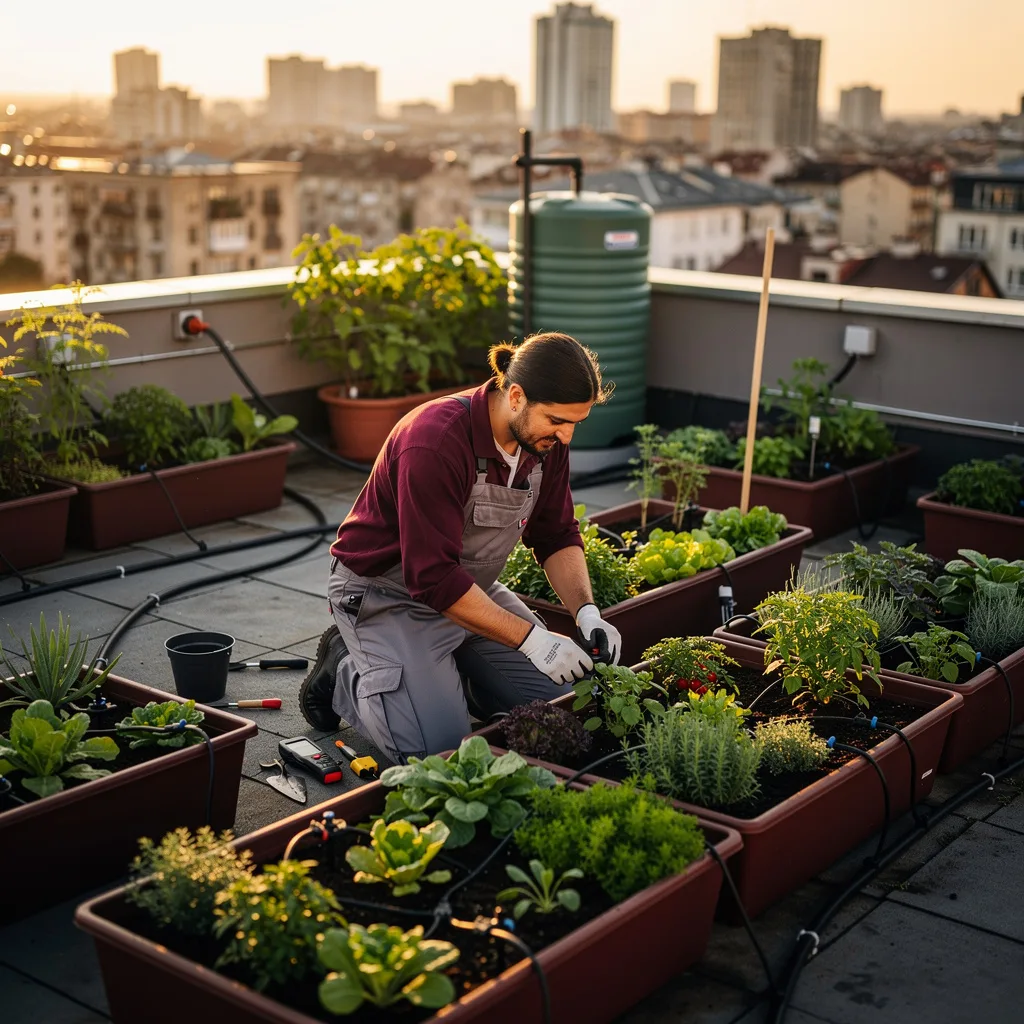
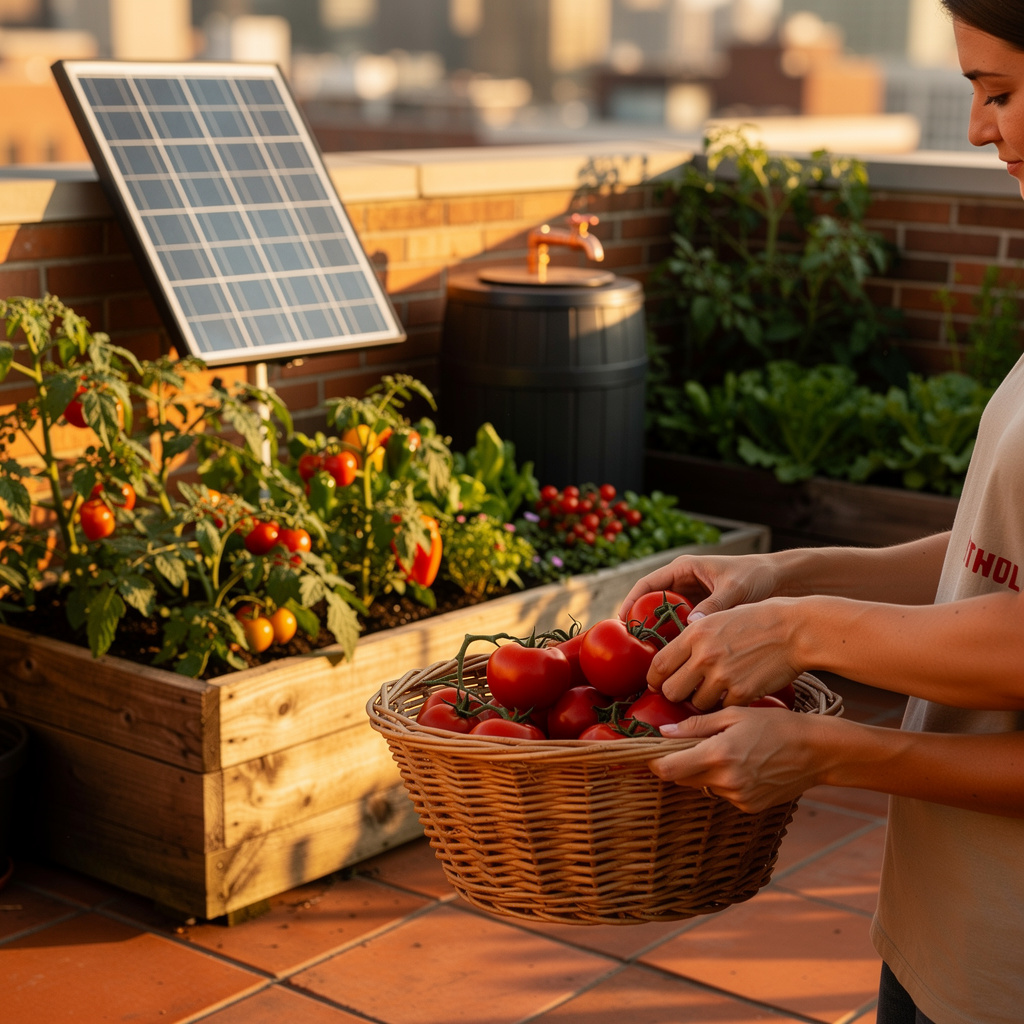
Urban homesteading is the practice of applying traditional homesteading principles—self-sufficiency, food production, and resource conservation—within an urban or suburban setting. It encompasses a wide range of activities including container and raised bed gardening, composting, water harvesting, food preservation, backyard poultry keeping, and even small-scale beekeeping. At its core, urban homesteading is about maximizing limited space and resources to create a more resilient and sustainable household, blending modern city living with time-honored self-reliance techniques.
Today, urban homesteading has gained significant traction as a response to global challenges such as food insecurity, climate change, and economic volatility. Cities across the world are seeing a surge in community gardens, rooftop farms, and urban agriculture initiatives, with local governments and NGOs actively supporting these efforts through policy changes and funding. The movement has also found a strong presence in academia, with urban agriculture programs and sustainability studies incorporating homesteading practices into their curricula. This shift reflects a broader cultural move toward localism, where individuals and communities seek greater control over their food sources and environmental impact.
Mastering urban homesteading builds a diverse skill stack that spans horticulture, animal care, food preservation, water management, and basic construction and repair. These competencies are directly applicable in personal contexts, enabling individuals to reduce household expenses, eat healthier, and live more sustainably. Professionally, the skills gained are valuable in fields such as urban agriculture, environmental education, sustainable design, and community development, where expertise in small-scale food systems is increasingly in demand. Whether pursued as a lifestyle choice or a career foundation, urban homesteading empowers learners with practical, actionable knowledge that yields tangible results.
Common Questions About Urban Homesteading
What will an urban homesteading certificate add to my job application?
Is this urban homesteading course suitable for complete beginners?
How to test urban soil for heavy metals before planting?
- Home test kit: quick and affordable, but less precise.
- Certified lab analysis: most accurate, gives detailed heavy metal levels.
- Extension service: often provides local advice and testing options.
Why does garden soil fail in containers for raised beds?
How to build a rain barrel from a trash can?
What are the best quiet chicken breeds for a small city lot?
Is urban homesteading only for people with big backyards?
What Will This Course Bring You?
- Evaluate the principles of urban homesteading to design a personalized plan for sustainable living in a limited space.
- Analyze soil composition and implement composting techniques to improve soil fertility for urban gardens.
- Design and build a container or raised bed garden optimized for small urban spaces.
- Apply seasonal planning and seed starting methods to ensure continuous harvests throughout the year.
- Implement rainwater harvesting and drip irrigation systems to reduce water usage in urban homesteads.
- Apply canning, fermenting, and drying techniques to preserve homegrown produce for year-round consumption.
- Evaluate local regulations and design a safe, productive backyard chicken coop for egg production.
- Implement pollinator-friendly practices and manage a backyard beehive to support local ecosystems.
Curriculum
12 Units1. Foundations of Urban Homesteading
1 hour
2. Soil Health and Composting
1 hour
3. Container and Raised Bed Gardening
1 hour
4. Seed Starting and Seasonal Planning
1 hour
5. Water Conservation and Harvesting
1 hour
6. Food Preservation Basics
1 hour
7. Backyard Chickens
1 hour
8. Beekeeping and Pollinator Support
30 minutes
9. Herb and Medicinal Plant Gardening
1 hour
10. Energy Efficiency and Renewable Power
1 hour
11. DIY Skills and Upcycling
1 hour
12. Community and Resilience
1 hour
Exam – Urban Homesteading
20 Questions • 70% Pass • 30 min
Unlock All Units for Free
Create an account, enroll in the course, and start with the first unit right away.
Exam – Urban Homesteading
20 Questions • Pass: 70% • 30 min
Course Duration
690
Total Minutes
12
Unit
1
Final Exam
~58
Min / Unit
Urban Homesteading Certificate Program
Document Your Skill
Those who pass the 20-question, 30-minute exam with 70% receive the Urban Homesteading Certificate.
Stand Out on Your CV
By adding your certificate to your CV, gain a professional reference in job applications and stand out from the crowd.
Career Advantage
Catch Wisdom certificates are recognized by HR departments and increase career opportunities.
CERTIFICATE FEE
At the end of the course, an online exam consisting of 20 questions with a 30-minute time limit is given. The exam appears automatically after you complete the topics. Anyone who scores at least 70 out of 100 on the certificate exam is awarded the Urban Homesteading Document (certificate of attendance). You can add the certificate you earn to your CV for job applications in the many sectors listed above, and use it as a reference proving that you took this interactive course.
The Certificate of Achievement you receive with the Urban Homesteading course program holds value that proves your personal and professional development in the business world. By adding it to your CV, it can serve as an important reference in your job applications. Moreover, compared with certificates from other private training institutions, Catch Wisdom certificates are offered to our participants at a much more affordable price.
Because HR departments recognize Catch Wisdom as a reputable institution in this field, they value these certificates and may evaluate your job applications favorably. For this reason, a Urban Homesteading course certificate from Catch Wisdom can make your applications more attractive and place you in an advantageous position in the business world.
For more information, we recommend visiting the Support page.
Certificate in 7 Languages
Earning success certificates from our courses is now more meaningful and global. With certificates available in Turkish, English, German, French, Spanish, Arabic, and Russian, we fully unlock the potential of students worldwide.
Why Certificate in 7 Languages?
-
01
Global Skill Development
Receiving your certificates in 7 different languages strengthens your communication skills as you engage with more people worldwide. It lets you operate more confidently and capably on the international stage.
-
02
International Job Opportunities
Employers may see your certificates in multiple languages as a sign of your ability to seize global opportunities. You can open more doors to new jobs and projects.
-
03
Cultural Richness
The chance to earn certificates in different languages helps you build closer ties with various cultures and broadens your worldview. It enriches your global perspective and deepens cultural understanding.
-
04
Ability to Participate in International Projects
Multilingual certificates give you an edge to work more effectively on international projects. They boost your chances of leadership and participation in diverse projects in the business world.
-
05
Prove Yourself on the Global Stage
Certificates in multiple languages let you showcase your skills and knowledge worldwide. You can become an internationally recognized professional.
Language diversity opens worldwide opportunities. If you want to prove yourself in the international arena, join our online Urban Homesteading course program and begin this journey with us.
Frequently Asked Questions (FAQ)
Is this course paid?
How do I join the course?
Can I take the course at my own pace?
How can I get my certificate?
What are the advantages of the Certified Certificate?
Boost Your Career
Take a new career step with the Urban Homesteading course. Add your certificate to your CV, stand out in job applications, and open the door to new opportunities in the industry.
StartStudent Reviews
No reviews yet
Enroll in this course and be the first to leave a review about your experience with Urban Homesteading.
Start