What is Warehouse Robotics Integration?
Warehouse Robotics Integration Training
The Warehouse Robotics Integration certificate program provides a comprehensive, hands-on curriculum designed for logistics professionals, operations managers, and automation engineers seeking to master the deployment of robotic systems in distribution centers and fulfillment warehouses. You will learn to evaluate existing workflows, select appropriate robot types, and plan system architectures that seamlessly integrate with warehouse management software. The main practical outcome is the ability to lead a robotics integration project from initial feasibility assessment through to full-scale implementation and performance optimization.
The program follows a beginner-friendly progression, starting with foundational concepts of warehouse robotics and moving through automation assessment, robot selection, and system architecture planning. It balances theoretical knowledge with practical case studies, building core skill areas in sensor and perception systems, fleet management software, safety standards, and data analytics. With the rapid acceleration of e‑commerce and labor shortages, mastering warehouse robotics integration now positions you at the forefront of supply chain innovation, making this training a strategic investment for career growth and operational excellence.
What is Warehouse Robotics Integration?
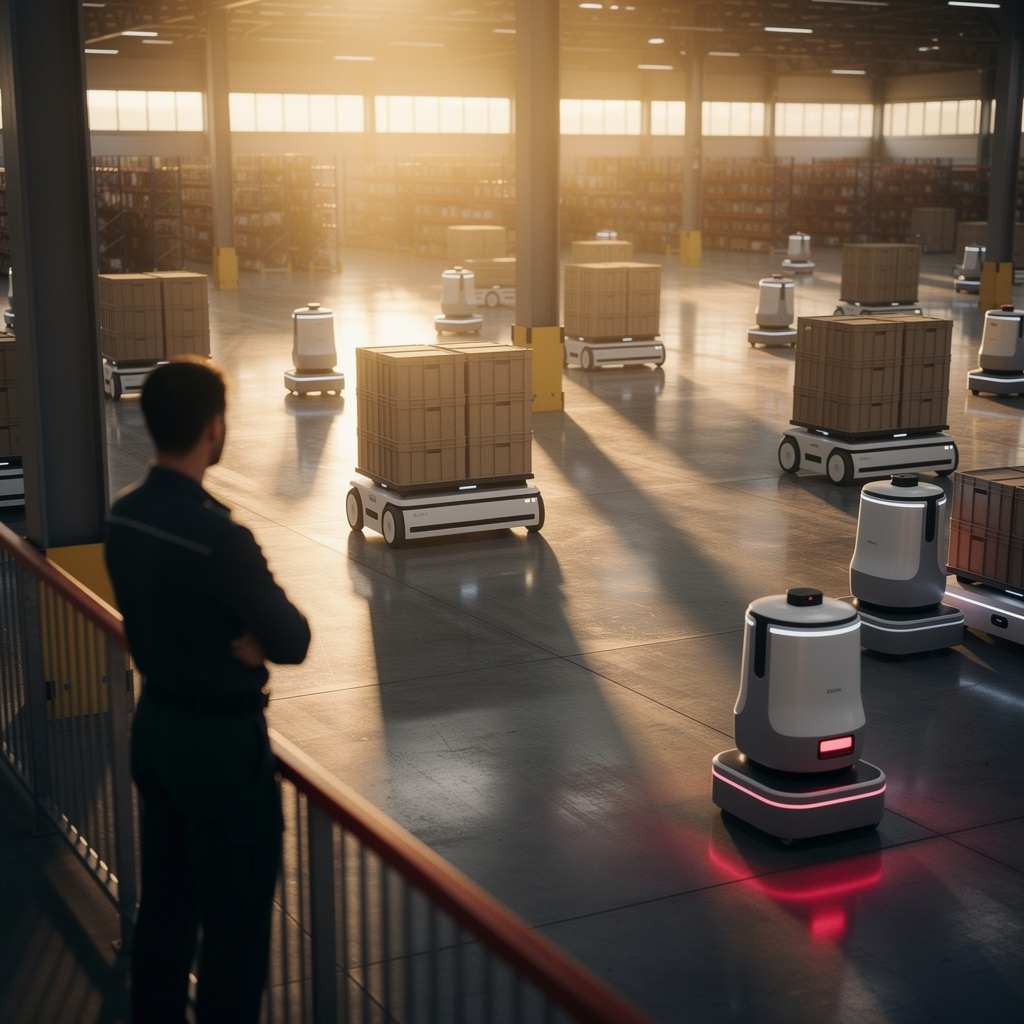
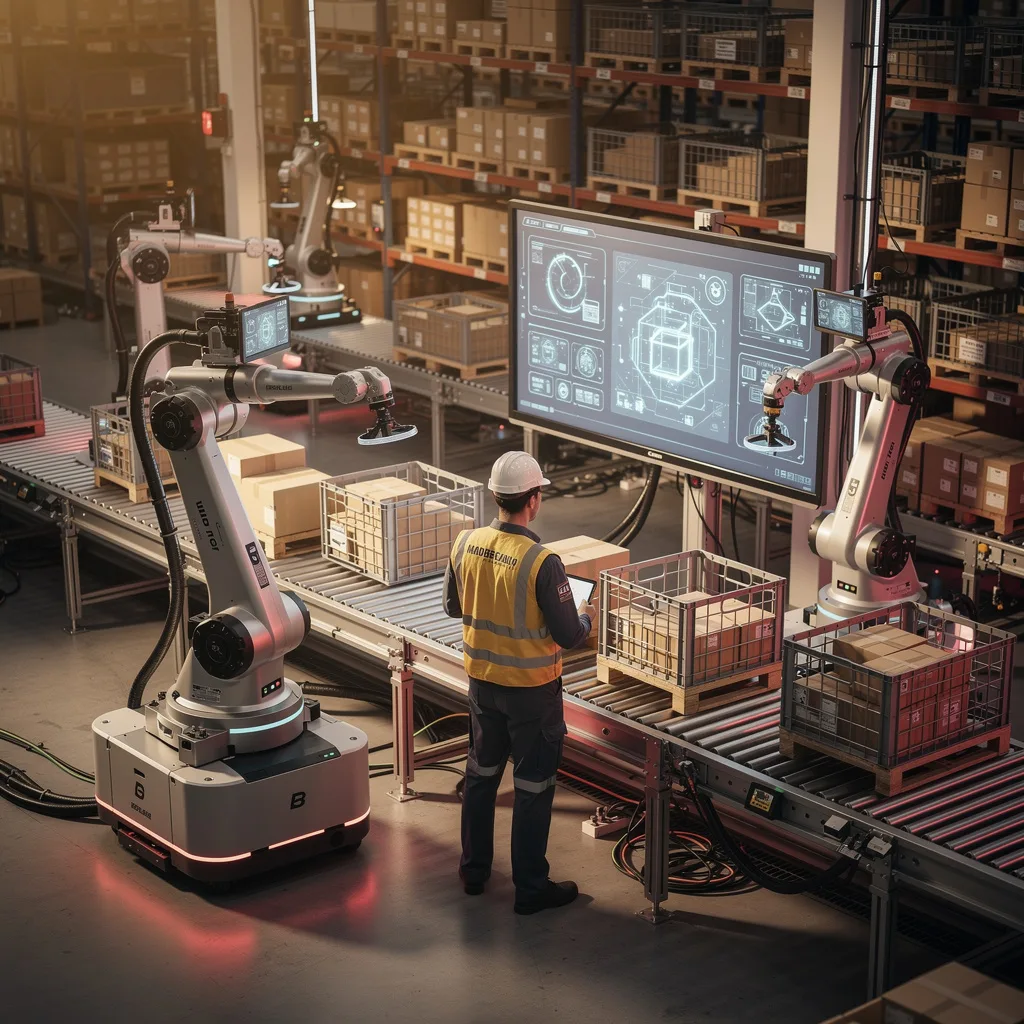
Warehouse Robotics Integration is the systematic process of designing, deploying, and managing autonomous or semi-autonomous robotic systems within a warehouse environment to improve material handling, order fulfillment, and inventory management. It encompasses the selection of robot types—such as autonomous mobile robots (AMRs), robotic arms, and goods-to-person systems—along with the integration of sensors, control systems, and fleet management software. Core concepts include system architecture planning, navigation and perception, safety risk mitigation, and data-driven performance analytics that ensure robots work harmoniously with human operators and existing infrastructure.
Today, warehouse robotics integration is critical as global supply chains face unprecedented pressure for speed, accuracy, and flexibility. E‑commerce giants, third-party logistics providers, and even small-to-medium warehouses are adopting robotic solutions to handle peak demand, reduce labor costs, and improve workplace safety. Recent shifts include the rise of collaborative robots (cobots), cloud-based fleet management, and AI‑powered vision systems that enable robots to adapt to dynamic environments—making integration expertise more valuable than ever in both industry and academic research.
Mastering this subject builds a multidisciplinary skill stack combining industrial engineering, software configuration, sensor technology, and project management. Professionals who understand warehouse robotics integration can drive digital transformation in logistics, optimize return on investment for automation projects, and design scalable systems that evolve with emerging technologies like 5G, digital twins, and autonomous picking. This knowledge is essential for roles such as automation project lead, supply chain engineer, robotics consultant, and warehouse operations director.
Common Questions About Warehouse Robotics Integration
How does the Warehouse Robotics Integration certificate boost your resume?
Can beginners with no robotics background take this course?
What is the key difference between AMR and AGV navigation?
- AGV: Fixed path, requires infrastructure changes, less adaptable.
- AMR: Dynamic path, uses real-time perception, reroutes autonomously.
How to calculate ROI for warehouse automation projects?
What is the three-tier software stack: WMS, WES, RCS?
- WMS (Warehouse Management System): Manages inventory, orders, and high-level planning.
- WES (Warehouse Execution System): Orchestrates real-time workflows, acting as the air traffic controller between robots and humans.
- RCS (Robot Control System): Controls individual robot tasks, navigation, and execution.
Which safety standards apply to warehouse robotics integration?
Is warehouse robotics just about moving boxes?
What Will This Course Bring You?
- Analyze warehouse operations to identify automation opportunities and assess feasibility for robotics integration.
- Evaluate different robot types and selection criteria to match specific warehouse tasks and constraints.
- Design a system architecture integrating robots, sensors, and control systems for seamless warehouse automation.
- Apply sensor and perception technologies to enable robot navigation and safe interaction in dynamic warehouse environments.
- Implement fleet management software to coordinate multiple robots and optimize workflow efficiency.
- Develop safety protocols and risk mitigation strategies compliant with industry standards for robotic operations.
- Analyze performance data from integrated robotics systems to identify improvements and inform lifecycle management decisions.
Curriculum
12 Units1. Foundations of Warehouse Robotics
1 hour
2. Assessing Warehouse Operations for Automation
1 hour
3. Robot Types and Selection Criteria
1 hour
4. System Architecture and Integration Planning
1 hour
5. Sensors and Perception for Navigation and Interaction
1 hour
6. Control Systems and Fleet Management Software
1 hour
7. Safety Standards and Risk Mitigation
1 hour
8. Implementation and Deployment Strategies
1 hour
9. Data Integration and Performance Analytics
1 hour
10. Maintenance and Lifecycle Management
1 hour
11. Case Studies and Lessons Learned
1 hour
12. Emerging Technologies and Future Directions
1 hour
Exam – Warehouse Robotics Integration
20 Questions • 70% Pass • 30 min
Unlock All Units for Free
Create an account, enroll in the course, and start with the first unit right away.
Exam – Warehouse Robotics Integration
20 Questions • Pass: 70% • 30 min
Course Duration
720
Total Minutes
12
Unit
1
Final Exam
~60
Min / Unit
Warehouse Robotics Integration Certificate Program
Document Your Skill
Those who pass the 20-question, 30-minute exam with 70% receive the Warehouse Robotics Integration Certificate.
Stand Out on Your CV
By adding your certificate to your CV, gain a professional reference in job applications and stand out from the crowd.
Career Advantage
With the verification code, employers can check your certificate instantly — a concrete way to show your growth.
CERTIFICATE FEE
At the end of the course, an online exam consisting of 20 questions with a 30-minute time limit is given. The exam appears automatically after you complete the topics. Anyone who scores at least 70 out of 100 on the certificate exam is awarded the Warehouse Robotics Integration Document (certificate of attendance). You can add the certificate you earn to your CV for job applications in the many sectors listed above, and use it as a reference proving that you took this interactive course.
The Certificate of Achievement you receive with the Warehouse Robotics Integration course program holds value that proves your personal and professional development in the business world. By adding it to your CV, it can serve as an important reference in your job applications. Moreover, compared with certificates from other private training institutions, Catch Wisdom certificates are offered to our participants at a much more affordable price.
The Warehouse Robotics Integration course certificate is a document that proves, with a unique verification code, that you completed the course. Employers can instantly check its authenticity with this code, which helps you show your development concretely in your job applications.
For more information, we recommend visiting the Support page.
Certificate in 7 Languages
Earning success certificates from our courses is now more meaningful and global. With certificates available in Turkish, English, German, French, Spanish, Arabic, and Russian, we fully unlock the potential of students worldwide.
Why Certificate in 7 Languages?
-
01
Global Skill Development
Receiving your certificates in 7 different languages strengthens your communication skills as you engage with more people worldwide. It lets you operate more confidently and capably on the international stage.
-
02
International Job Opportunities
Employers may see your certificates in multiple languages as a sign of your ability to seize global opportunities. You can open more doors to new jobs and projects.
-
03
Cultural Richness
The chance to earn certificates in different languages helps you build closer ties with various cultures and broadens your worldview. It enriches your global perspective and deepens cultural understanding.
-
04
Ability to Participate in International Projects
Multilingual certificates give you an edge to work more effectively on international projects. They boost your chances of leadership and participation in diverse projects in the business world.
-
05
Prove Yourself on the Global Stage
Certificates in multiple languages give you the opportunity to present your skills and knowledge worldwide.
Language diversity opens worldwide opportunities. If you want to prove yourself in the international arena, join our online Warehouse Robotics Integration course program and begin this journey with us.
Frequently Asked Questions (FAQ)
Is this course paid?
How do I join the course?
Can I take the course at my own pace?
How can I get my certificate?
What are the advantages of the certificate?
Boost Your Career
Take a new career step with the Warehouse Robotics Integration course. Add your certificate to your CV, stand out in job applications, and open the door to new opportunities in the industry.
StartStudent Reviews
No reviews yet
Enroll in this course and be the first to leave a review about your experience with Warehouse Robotics Integration.
Start