What is Zero-Waste Home Basics?
Zero-Waste Home Basics Training
The Zero-Waste Home Basics certificate program is a practical, step-by-step training designed for anyone ready to reduce household waste without sacrificing convenience or comfort. It is ideal for beginners, busy families, renters, and sustainability-curious individuals who want clear guidance on where to start and how to keep going. The course walks you through a personal waste audit, kitchen and bathroom swaps, DIY cleaning and laundry solutions, composting, and budget-friendly shopping habits. By the end, you will have a customized zero-waste action plan tailored to your living space, lifestyle, and financial situation.
The program is structured as a beginner-friendly progression across twelve focused lessons that balance foundational theory with hands-on practice. You will build four core skill areas: waste assessment and reduction, sustainable purchasing, DIY product creation, and community-driven habit building. Each lesson builds on the previous one, moving from understanding the zero-waste mindset to managing non-recyclables and staying motivated long-term. With rising waste costs, plastic regulation changes, and growing environmental awareness, this training gives you the tools to act meaningfully right now — without waiting for policy shifts or infrastructure upgrades.
What is Zero-Waste Home Basics?
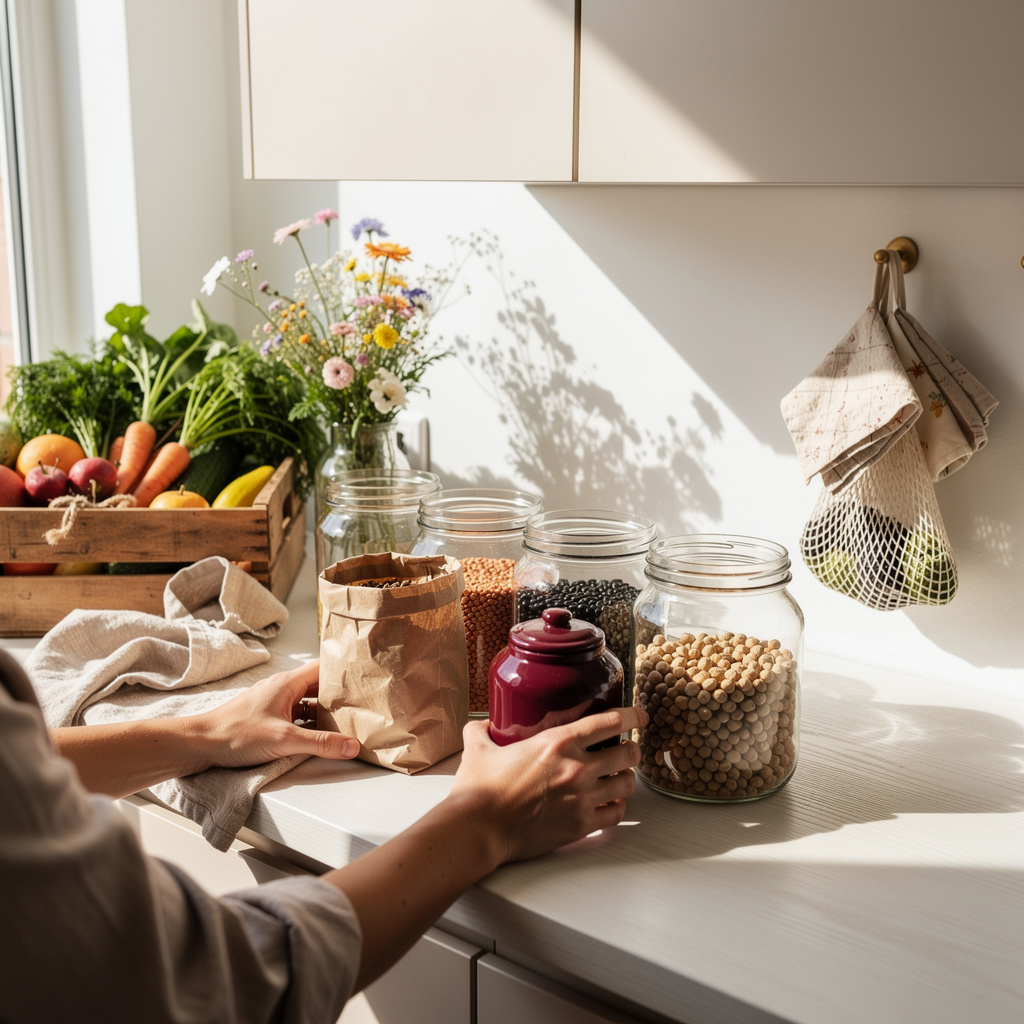
Zero-waste home basics is a lifestyle framework that seeks to eliminate waste at the household level by redesigning how products are consumed, reused, and disposed of. It is grounded in the principles of refuse, reduce, reuse, recycle, and rot — with a strong emphasis on the first three. The subject covers everything from packaging choices and food storage to personal care products, cleaning supplies, and organic waste management through composting. It also addresses the often-overlooked categories of non-recyclables and special items, teaching households how to handle them responsibly.
With global waste generation projected to reach 3.4 billion tonnes annually by 2050, the zero-waste movement has moved from niche activism to mainstream relevance. Municipalities, consumer goods companies, and academic researchers are all exploring waste-reduction strategies, and households play a critical role in this ecosystem. Recent shifts such as plastic bag bans, refillable packaging laws, and the rise of bulk-buying cooperatives have made zero-waste practices more accessible than ever before. At the same time, the economic pressure of inflation has made waste reduction an attractive way for families to save money while reducing their environmental footprint.
Mastering the subject of zero-waste home management builds a versatile skill stack that includes resource assessment, creative problem-solving, budgeting, and sustainable supply chain awareness. These skills are directly applicable in personal life, community organizing, and even professional roles in sustainability, retail, or environmental education. Whether you are a homeowner, renter, parent, or student, understanding how to minimize waste at home empowers you to make choices that are both environmentally responsible and economically sound. The knowledge gained extends beyond the household, influencing how you shop, cook, clean, and engage with your local community.
Common Questions About Zero-Waste Home Basics
How does a Zero-Waste Home Basics certificate boost my resume?
Is the Zero-Waste Home Basics training suitable for total beginners?
What is the difference between Best Before and Use By labels?
How do I perform a home waste audit to find my trash blind spots?
- Designate a collection area: Set up a dedicated bin or corner where all trash accumulates during the audit period.
- Sort into categories: Separate items into food waste, packaging, plastics, paper, glass, and non-recyclables.
- Weigh and record: Use a kitchen scale to weigh each category and note the totals in a journal or spreadsheet.
- Identify patterns: Look for surprises — you might find that food scraps dominate, or that takeout packaging is your biggest blind spot.
What is the ideal Browns and Greens balance for home composting?
How does the 5 R's hierarchy help decide what to refuse first?
Is zero waste just about recycling, or does it start with refusing?
What Will This Course Bring You?
- Conduct a home waste audit to analyze current waste streams and identify key reduction opportunities.
- Design a kitchen system that reduces food waste and eliminates single-use packaging through reusable alternatives.
- Implement DIY swaps for bathroom and personal care items to replace disposable products with sustainable options.
- Evaluate cleaning and laundry routines to incorporate homemade, refillable, and low-waste solutions.
- Apply zero-waste shopping strategies, including bulk buying and package-free choices, to grocery habits.
- Build a composting system for food scraps, transforming organic waste into nutrient-rich soil for plants.
- Create a personalized zero-waste action plan that integrates budget-friendly methods and community engagement for lasting change.
Curriculum
12 Units1. Understanding Zero Waste: Principles and Mindset
1 hour
2. Assessing Your Waste: A Home Waste Audit
1 hour
3. The Kitchen: Reducing Food Waste and Packaging
1 hour
4. Bathroom and Personal Care: Swapping Disposables
1 hour
5. Cleaning and Laundry: DIY and Refillables
1 hour
6. Shopping and Grocery: Zero-Waste Habits
1 hour
7. Composting and Food Scraps: From Bin to Soil
1 hour
8. DIY and Upcycling: Extending Product Life
1 hour
9. Managing Non-Recyclables and Special Items
1 hour
10. Zero-Waste on a Budget: Cost-Effective Strategies
1 hour
11. Building Habits and Community: Staying Motivated
1 hour
12. Creating a Zero-Waste Action Plan: Putting It All Together
1 hour
Exam – Zero-Waste Home Basics
20 Questions • 70% Pass • 30 min
Unlock All Units for Free
Create an account, enroll in the course, and start with the first unit right away.
Exam – Zero-Waste Home Basics
20 Questions • Pass: 70% • 30 min
Course Duration
720
Total Minutes
12
Unit
1
Final Exam
~60
Min / Unit
Zero-Waste Home Basics Certificate Program
Document Your Skill
Those who pass the 20-question, 30-minute exam with 70% receive the Zero-Waste Home Basics Certificate.
Stand Out on Your CV
By adding your certificate to your CV, gain a professional reference in job applications and stand out from the crowd.
Career Advantage
Catch Wisdom certificates are recognized by HR departments and increase career opportunities.
CERTIFICATE FEE
At the end of the course, an online exam consisting of 20 questions with a 30-minute time limit is given. The exam appears automatically after you complete the topics. Anyone who scores at least 70 out of 100 on the certificate exam is awarded the Zero-Waste Home Basics Document (certificate of attendance). You can add the certificate you earn to your CV for job applications in the many sectors listed above, and use it as a reference proving that you took this interactive course.
The Certificate of Achievement you receive with the Zero-Waste Home Basics course program holds value that proves your personal and professional development in the business world. By adding it to your CV, it can serve as an important reference in your job applications. Moreover, compared with certificates from other private training institutions, Catch Wisdom certificates are offered to our participants at a much more affordable price.
Because HR departments recognize Catch Wisdom as a reputable institution in this field, they value these certificates and may evaluate your job applications favorably. For this reason, a Zero-Waste Home Basics course certificate from Catch Wisdom can make your applications more attractive and place you in an advantageous position in the business world.
For more information, we recommend visiting the Support page.
Certificate in 7 Languages
Earning success certificates from our courses is now more meaningful and global. With certificates available in Turkish, English, German, French, Spanish, Arabic, and Russian, we fully unlock the potential of students worldwide.
Why Certificate in 7 Languages?
-
01
Global Skill Development
Receiving your certificates in 7 different languages strengthens your communication skills as you engage with more people worldwide. It lets you operate more confidently and capably on the international stage.
-
02
International Job Opportunities
Employers may see your certificates in multiple languages as a sign of your ability to seize global opportunities. You can open more doors to new jobs and projects.
-
03
Cultural Richness
The chance to earn certificates in different languages helps you build closer ties with various cultures and broadens your worldview. It enriches your global perspective and deepens cultural understanding.
-
04
Ability to Participate in International Projects
Multilingual certificates give you an edge to work more effectively on international projects. They boost your chances of leadership and participation in diverse projects in the business world.
-
05
Prove Yourself on the Global Stage
Certificates in multiple languages let you showcase your skills and knowledge worldwide. You can become an internationally recognized professional.
Language diversity opens worldwide opportunities. If you want to prove yourself in the international arena, join our online Zero-Waste Home Basics course program and begin this journey with us.
Frequently Asked Questions (FAQ)
Is this course paid?
How do I join the course?
Can I take the course at my own pace?
How can I get my certificate?
What are the advantages of the Certified Certificate?
Boost Your Career
Take a new career step with the Zero-Waste Home Basics course. Add your certificate to your CV, stand out in job applications, and open the door to new opportunities in the industry.
StartStudent Reviews
No reviews yet
Enroll in this course and be the first to leave a review about your experience with Zero-Waste Home Basics.
Start