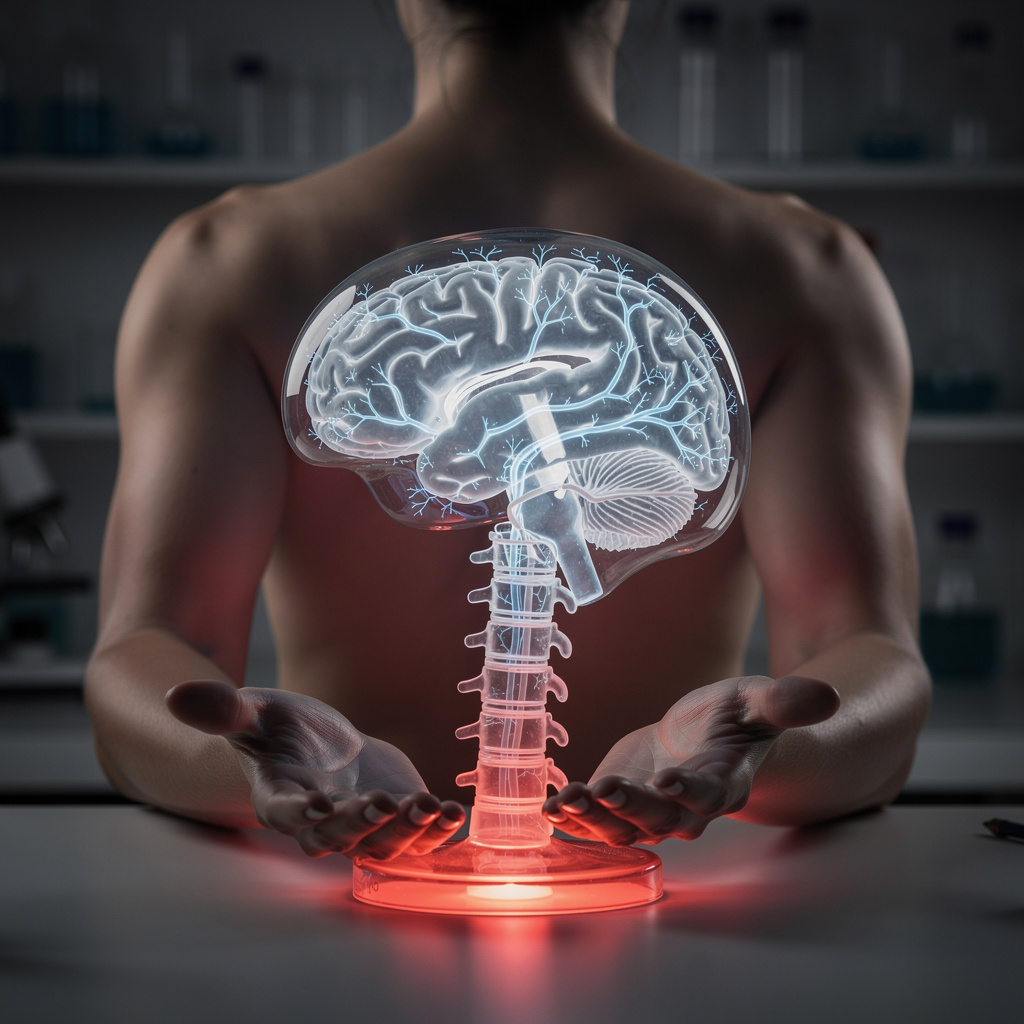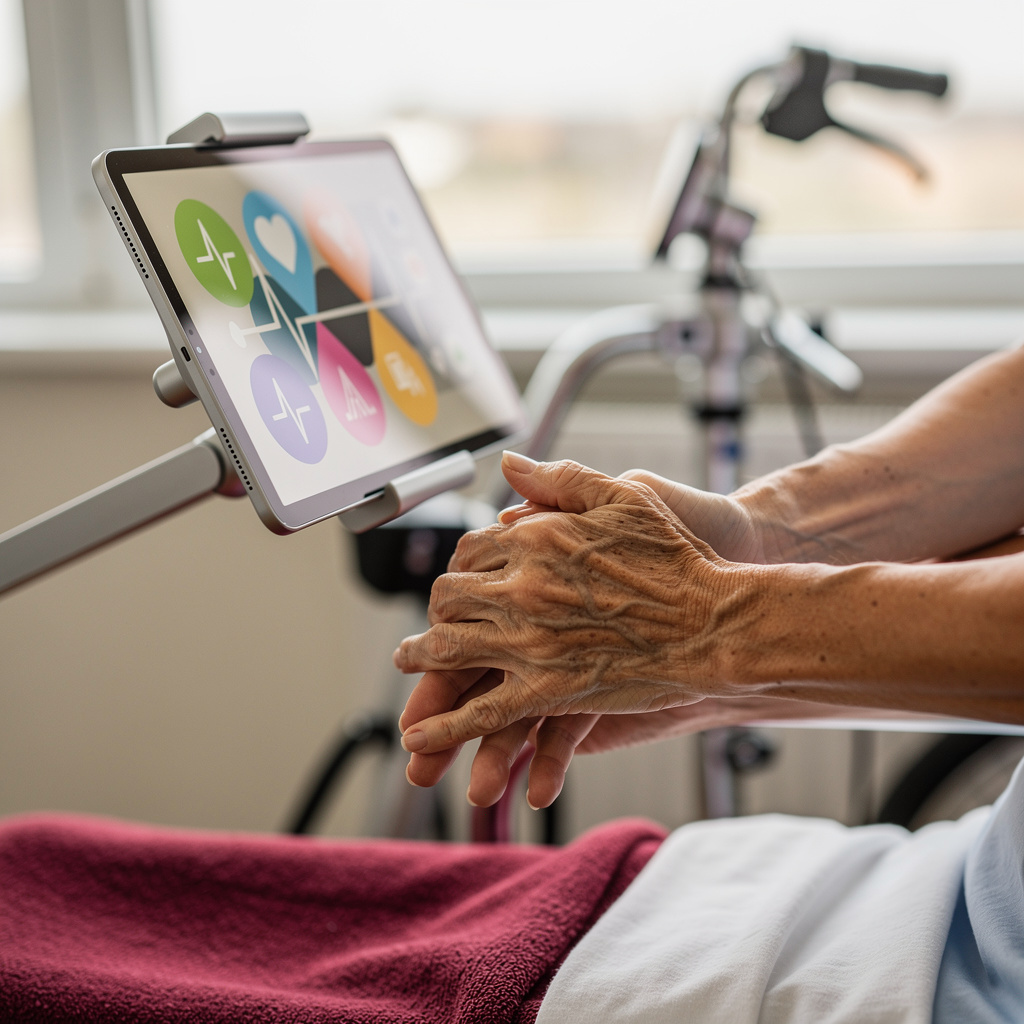
What is Assistive Technology in Elder Care?
Assistive Technology in Elder Care Training
The Assistive Technology in Elder Care certificate program equips healthcare professionals, family caregivers, and technology enthusiasts with the knowledge to select, implement, and manage assistive technologies that support aging adults. This course covers the full spectrum of solutions—from smart home systems and wearable monitors to cognitive aids and sensory enhancements—while addressing the critical human factors of adoption, ethics, and privacy. By the end, participants will be able to conduct needs assessments, match appropriate technologies to individual capabilities, and lead implementation strategies that improve independence and well-being in real-world elder care settings.
The program is structured for beginners, progressing logically from foundational concepts of aging and disability to advanced topics like future trends and emerging innovations. Each lesson blends theoretical frameworks with practical case studies, ensuring learners build a balanced skill set across four core areas: technology evaluation, user-centered assessment, implementation and training, and ethical/security considerations. With the rapid expansion of telehealth and smart home adoption, this training is uniquely timely—offering the critical expertise needed to navigate the evolving landscape of elder care technology and to meet the growing demand for tech-savvy care coordinators.
What is Assistive Technology in Elder Care?
Assistive technology in elder care refers to a diverse range of devices, systems, and services designed to maintain or improve the functional abilities and quality of life of older adults. Its scope spans low-tech aids like grab bars and magnifiers to high-tech solutions such as ambient sensors, voice-activated assistants, and remote monitoring platforms. Core concepts include accessibility, usability, and the alignment of technology with the physical, cognitive, and social needs of aging individuals, all while promoting autonomy and dignity.
Today, assistive technology has become indispensable as populations age globally and the preference for aging in place grows. It is applied in home environments, assisted living facilities, and hospitals, where it supports fall prevention, medication management, social connection, and chronic condition monitoring. Recent shifts toward artificial intelligence, the Internet of Things, and personalized health data have transformed these tools from simple aids into proactive systems that anticipate needs and alert caregivers, making the field a dynamic focus of research and industry innovation.
Mastering this subject builds a versatile skill stack that combines technical literacy with empathetic caregiving, data interpretation, and ethical decision-making. Professionals in gerontology, nursing, occupational therapy, and health administration benefit directly, as do family members managing care for loved ones. The knowledge gained enables learners to critically evaluate emerging products, advocate for user-centered design, and create supportive environments that enable older adults to live safer, more connected, and more fulfilling lives.
Common Questions About Assistive Technology in Elder Care
Can this assistive technology certificate help me switch to elder care without a healthcare background?
Is this elder care assistive technology course beginner-friendly with no tech experience?
How do smart home technologies for aging in place reduce fall risks at night?
How does the person-environment-task triad guide assistive technology needs assessment?
What mistakes happen when implementing assistive technology for elderly care in nursing homes?
- Lack of user input: Residents and caregivers are not consulted, so the technology doesn't fit their routines.
- Insufficient training: Staff don't know how to use or troubleshoot the devices, leading to abandonment.
- Ignoring the environment: The physical layout, Wi-Fi coverage, and existing workflows are not considered.
How do external memory aids like smart speakers support cognitive support for seniors?
Is it a myth that assistive technology for elderly care is only for severe disabilities?
What Will This Course Bring You?
- Design a smart home environment that integrates sensors and automation to support aging in place.
- Evaluate wearable devices and remote monitoring systems for tracking health metrics and detecting emergencies in elderly users.
- Apply cognitive support technologies such as digital reminders and memory aids to assist older adults with cognitive decline.
- Implement communication and social engagement technologies to mitigate loneliness and maintain social connections for seniors.
- Assess mobility and transfer assistance devices to recommend appropriate solutions based on individual functional limitations.
- Compare hearing and vision assistive technologies to address specific sensory impairments in older adults.
- Develop a comprehensive needs assessment framework to match assistive technology to an individual's unique abilities and preferences.
- Analyze ethical, privacy, and security challenges in the deployment of assistive technologies in elder care settings.
Curriculum
12 Units1. Aging, Disability, and the Role of Assistive Technology
1 hour
2. Categories of Assistive Technology: An Overview
1 hour
3. Smart Home Technologies for Aging in Place
1 hour
4. Wearable Devices and Remote Health Monitoring
1 hour
5. Cognitive Support and Memory Aids
1 hour
6. Communication and Social Engagement Technologies
1 hour
7. Mobility and Transfer Assistance
1 hour
8. Hearing and Vision Assistive Technologies
1 hour
9. Assessing Needs and Matching Technology to Individuals
1 hour
10. Implementation, Training, and Adoption
1 hour
11. Ethics, Privacy, and Security in Assistive Technology
1 hour
12. Future Trends and Emerging Technologies
1 hour
Exam – Assistive Technology in Elder Care
20 Questions • 70% Pass • 30 min
Unlock All Units for Free
Create an account, enroll in the course, and start with the first unit right away.
Exam – Assistive Technology in Elder Care
20 Questions • Pass: 70% • 30 min
Course Duration
720
Total Minutes
12
Unit
1
Final Exam
~60
Min / Unit
Assistive Technology in Elder Care Certificate Program
Document Your Skill
Those who pass the 20-question, 30-minute exam with 70% receive the Assistive Technology in Elder Care Certificate.
Stand Out on Your CV
By adding your certificate to your CV, gain a professional reference in job applications and stand out from the crowd.
Career Advantage
Catch Wisdom certificates are recognized by HR departments and increase career opportunities.
CERTIFICATE FEE
At the end of the course, an online exam consisting of 20 questions with a 30-minute time limit is given. The exam appears automatically after you complete the topics. Anyone who scores at least 70 out of 100 on the certificate exam is awarded the Assistive Technology in Elder Care Document (certificate of attendance). You can add the certificate you earn to your CV for job applications in the many sectors listed above, and use it as a reference proving that you took this interactive course.
The Certificate of Achievement you receive with the Assistive Technology in Elder Care course program holds value that proves your personal and professional development in the business world. By adding it to your CV, it can serve as an important reference in your job applications. Moreover, compared with certificates from other private training institutions, Catch Wisdom certificates are offered to our participants at a much more affordable price.
Because HR departments recognize Catch Wisdom as a reputable institution in this field, they value these certificates and may evaluate your job applications favorably. For this reason, a Assistive Technology in Elder Care course certificate from Catch Wisdom can make your applications more attractive and place you in an advantageous position in the business world.
For more information, we recommend visiting the Support page.
Certificate in 7 Languages
Earning success certificates from our courses is now more meaningful and global. With certificates available in Turkish, English, German, French, Spanish, Arabic, and Russian, we fully unlock the potential of students worldwide.
Why Certificate in 7 Languages?
-
01
Global Skill Development
Receiving your certificates in 7 different languages strengthens your communication skills as you engage with more people worldwide. It lets you operate more confidently and capably on the international stage.
-
02
International Job Opportunities
Employers may see your certificates in multiple languages as a sign of your ability to seize global opportunities. You can open more doors to new jobs and projects.
-
03
Cultural Richness
The chance to earn certificates in different languages helps you build closer ties with various cultures and broadens your worldview. It enriches your global perspective and deepens cultural understanding.
-
04
Ability to Participate in International Projects
Multilingual certificates give you an edge to work more effectively on international projects. They boost your chances of leadership and participation in diverse projects in the business world.
-
05
Prove Yourself on the Global Stage
Certificates in multiple languages let you showcase your skills and knowledge worldwide. You can become an internationally recognized professional.
Language diversity opens worldwide opportunities. If you want to prove yourself in the international arena, join our online Assistive Technology in Elder Care course program and begin this journey with us.
Frequently Asked Questions (FAQ)
Is this course paid?
How do I join the course?
Can I take the course at my own pace?
How can I get my certificate?
What are the advantages of the Certified Certificate?
Boost Your Career
Take a new career step with the Assistive Technology in Elder Care course. Add your certificate to your CV, stand out in job applications, and open the door to new opportunities in the industry.
StartStudent Reviews
No reviews yet
Enroll in this course and be the first to leave a review about your experience with Assistive Technology in Elder Care.
Start