What is Building Energy Efficiency Fundamentals?
Building Energy Efficiency Fundamentals Certificate Program
The Building Energy Efficiency Fundamentals certificate program provides a comprehensive introduction to the principles and practices that reduce energy consumption in buildings. Designed for architects, engineers, facility managers, and sustainability professionals, this program equips learners with the knowledge to assess and improve building performance. By the end, participants will be able to identify energy-saving opportunities, understand key systems like HVAC and lighting, and apply benchmarking and auditing techniques to real-world projects.
The program is structured for beginners, progressing from core concepts such as building envelope and heat transfer to advanced topics like renewable integration and automation. It balances theoretical foundations with practical case studies across twelve lessons, building four core skill areas: energy analysis, system optimization, regulatory compliance, and retrofit planning. With global energy costs rising and climate goals tightening, this training offers timely expertise for anyone seeking to make buildings more efficient and sustainable.
What is Building Energy Efficiency Fundamentals?
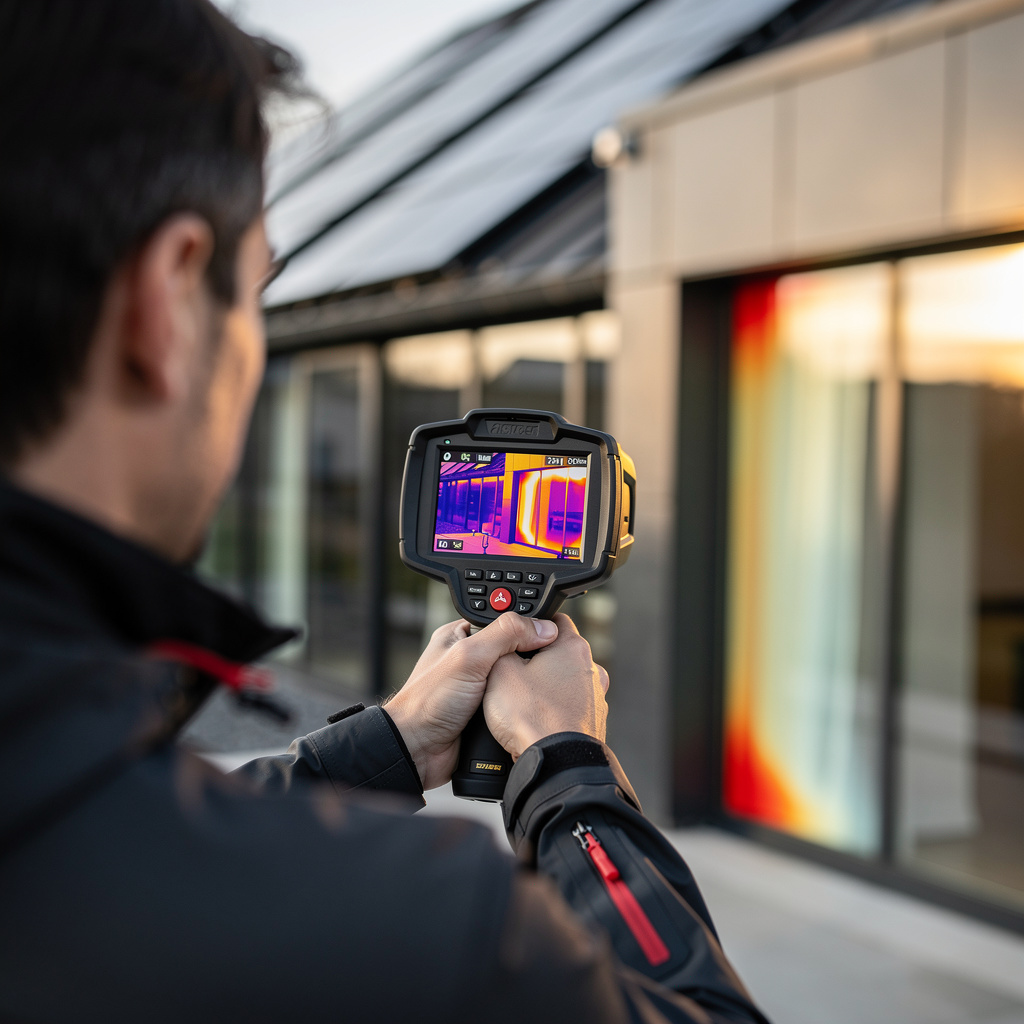
Building energy efficiency is the practice of designing, operating, and retrofitting buildings to use less energy while maintaining or improving comfort and functionality. It encompasses a wide range of concepts, from the thermal performance of walls and windows (building envelope) to the efficiency of heating, cooling, lighting, and water systems. Core principles include minimizing heat transfer, optimizing system controls, and integrating renewable energy sources to reduce overall demand.
Today, building energy efficiency is critical as buildings account for nearly 40% of global energy consumption and a significant share of greenhouse gas emissions. Governments worldwide are tightening energy codes and offering incentives for green certifications like LEED and BREEAM. In industry, energy modeling and benchmarking tools are becoming standard for new construction and retrofits, while smart building technologies enable real-time monitoring and demand response. This field is rapidly evolving with innovations in materials, data analytics, and electrification.
Mastering building energy efficiency builds a versatile skill set combining engineering, data analysis, and sustainability knowledge. Professionals in architecture, construction, facility management, and energy consulting benefit directly, as do policy makers and building owners seeking to reduce operational costs. The subject also empowers individuals to contribute to climate action by making informed decisions about their own homes or workplaces, bridging technical expertise with practical impact.
Common Questions About Building Energy Efficiency Fundamentals
Is this building energy efficiency course suitable for beginners?
What career benefits does the energy efficiency certificate offer?
How does R-value affect heat transfer in building envelopes?
Why is HVAC the biggest energy consumer in buildings?
What are the three layers of a Building Automation System?
- Field Layer – includes sensors, actuators, and other hardware that directly interact with building equipment
- Automation Layer – consists of controllers that process data and execute control logic
- Management Layer – provides supervisory software for monitoring, scheduling, and optimization
What is the difference between shallow and deep energy retrofits?
Is it true that energy efficiency only matters for new buildings?
What Will This Course Bring You?
- Analyze the impact of building envelope design on heat transfer and overall energy consumption.
- Evaluate various HVAC system configurations to optimize energy performance in commercial buildings.
- Apply energy auditing principles to identify common inefficiencies in lighting and electrical systems.
- Design a water heating system that minimizes energy use while meeting plumbing efficiency standards.
- Implement building energy modeling techniques to benchmark energy performance and identify savings opportunities.
- Assess the feasibility of integrating renewable energy technologies into existing building infrastructure.
- Evaluate building automation and control systems for optimizing energy management in facilities.
- Apply energy codes and green certification criteria to guide retrofitting and deep energy retrofit projects.
Curriculum
12 Units1. Why Building Energy Efficiency Matters
1 hour
2. Building Envelope and Heat Transfer
1 hour
3. HVAC Systems and Energy Performance
1 hour
4. Lighting and Electrical Systems
1 hour
5. Water Heating and Plumbing Efficiency
1 hour
6. Building Energy Modeling and Benchmarking
1 hour
7. Energy Auditing Principles and Techniques
1 hour
8. Renewable Energy Integration in Buildings
1 hour
9. Building Automation and Control Systems
1 hour
10. Energy Codes, Standards, and Green Certifications
1 hour
11. Retrofitting and Deep Energy Retrofits
1 hour
12. Future Trends in Building Energy Efficiency
1 hour
Exam – Building Energy Efficiency Fundamentals
20 Questions • 70% Pass • 30 min
Unlock All Units for Free
Create an account, enroll in the course, and start with the first unit right away.
Exam – Building Energy Efficiency Fundamentals
20 Questions • Pass: 70% • 30 min
Course Duration
720
Total Minutes
12
Unit
1
Final Exam
~60
Min / Unit
Building Energy Efficiency Fundamentals Certificate Program
Document Your Skill
Those who pass the 20-question, 30-minute exam with 70% receive the Building Energy Efficiency Fundamentals Certificate.
Stand Out on Your CV
By adding your certificate to your CV, gain a professional reference in job applications and stand out from the crowd.
Career Advantage
With the verification code, employers can check your certificate instantly — a concrete way to show your growth.
CERTIFICATE FEE
At the end of the course, an online exam consisting of 20 questions with a 30-minute time limit is given. The exam appears automatically after you complete the topics. Anyone who scores at least 70 out of 100 on the certificate exam is awarded the Building Energy Efficiency Fundamentals Document (certificate of attendance). You can add the certificate you earn to your CV for job applications in the many sectors listed above, and use it as a reference proving that you took this interactive course.
The Certificate of Achievement you receive with the Building Energy Efficiency Fundamentals course program holds value that proves your personal and professional development in the business world. By adding it to your CV, it can serve as an important reference in your job applications. Moreover, compared with certificates from other private training institutions, Catch Wisdom certificates are offered to our participants at a much more affordable price.
The Building Energy Efficiency Fundamentals course certificate is a document that proves, with a unique verification code, that you completed the course. Employers can instantly check its authenticity with this code, which helps you show your development concretely in your job applications.
For more information, we recommend visiting the Support page.
Certificate in 7 Languages
Earning success certificates from our courses is now more meaningful and global. With certificates available in Turkish, English, German, French, Spanish, Arabic, and Russian, we fully unlock the potential of students worldwide.
Why Certificate in 7 Languages?
-
01
Global Skill Development
Receiving your certificates in 7 different languages strengthens your communication skills as you engage with more people worldwide. It lets you operate more confidently and capably on the international stage.
-
02
International Job Opportunities
Employers may see your certificates in multiple languages as a sign of your ability to seize global opportunities. You can open more doors to new jobs and projects.
-
03
Cultural Richness
The chance to earn certificates in different languages helps you build closer ties with various cultures and broadens your worldview. It enriches your global perspective and deepens cultural understanding.
-
04
Ability to Participate in International Projects
Multilingual certificates give you an edge to work more effectively on international projects. They boost your chances of leadership and participation in diverse projects in the business world.
-
05
Prove Yourself on the Global Stage
Certificates in multiple languages give you the opportunity to present your skills and knowledge worldwide.
Language diversity opens worldwide opportunities. If you want to prove yourself in the international arena, join our online Building Energy Efficiency Fundamentals course program and begin this journey with us.
Frequently Asked Questions (FAQ)
Is this course paid?
How do I join the course?
Can I take the course at my own pace?
How can I get my certificate?
What are the advantages of the certificate?
Boost Your Career
Take a new career step with the Building Energy Efficiency Fundamentals course. Add your certificate to your CV, stand out in job applications, and open the door to new opportunities in the industry.
StartStudent Reviews
No reviews yet
Enroll in this course and be the first to leave a review about your experience with Building Energy Efficiency Fundamentals.
Start