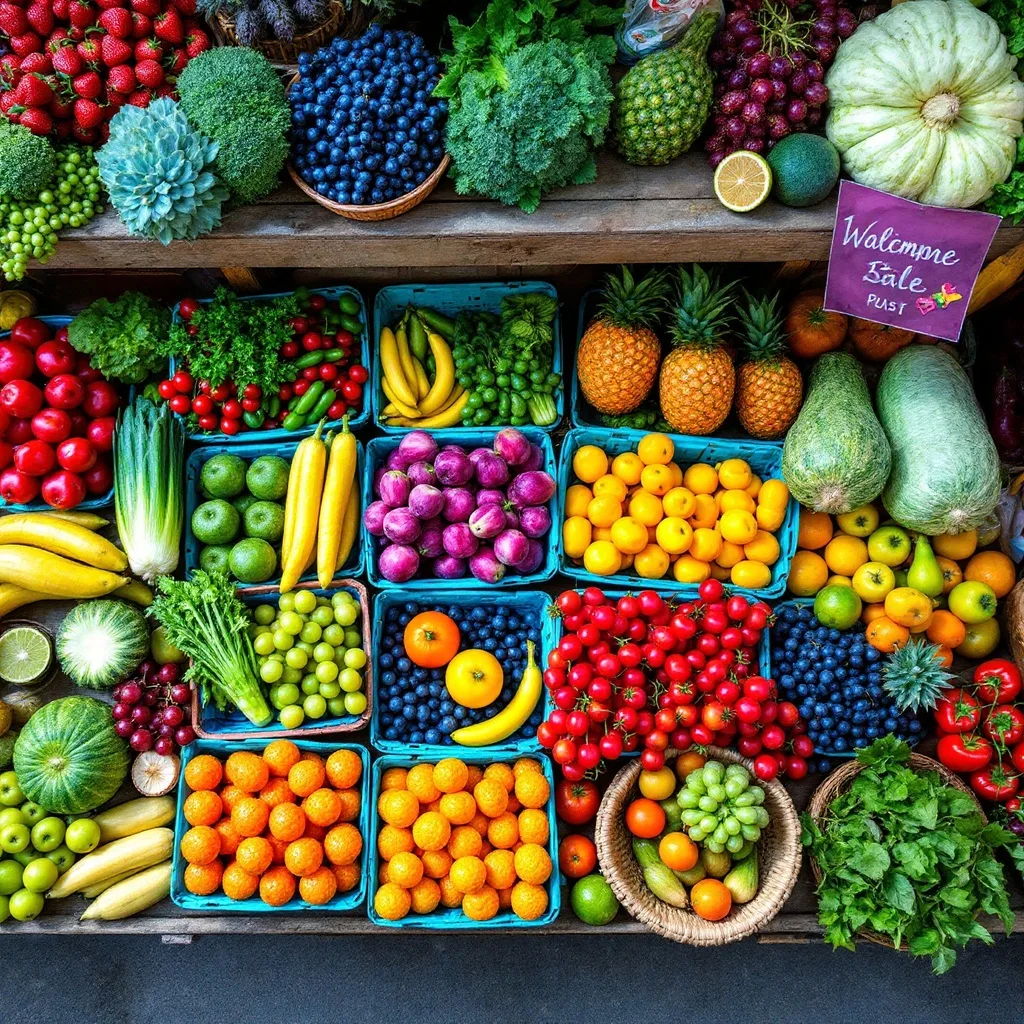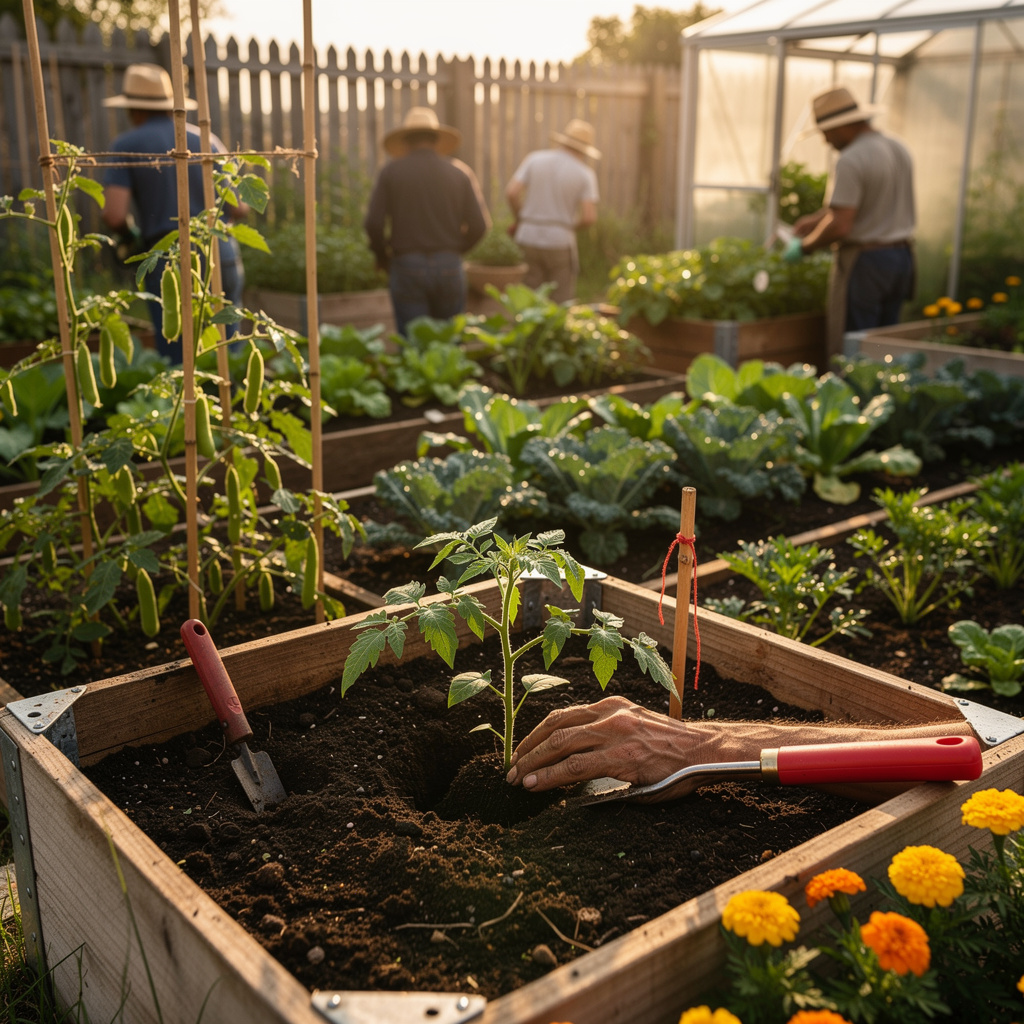
What is Community Gardens?
Community Gardens Training Program
The Community Gardens certificate program equips learners with the complete toolkit to launch, manage, and sustain thriving shared green spaces. Designed for aspiring garden coordinators, urban planners, educators, and passionate volunteers, this course transforms theoretical knowledge into actionable skills for real-world community projects. By the end, participants will have a ready-to-implement garden plan, from site selection to harvest distribution, grounded in practical, hands-on strategies.
Structured for beginners yet rich in depth, the program progresses logically from foundational concepts like purpose and benefits to advanced topics such as long-term stewardship and sustainability. Each module balances concise theory with applied practice, building core competencies across four key areas: site and soil management, crop and water systems, community leadership, and program resilience. With urban food security and green space demand rising, this training offers timely expertise for anyone ready to turn vacant lots into vibrant, productive community hubs.
What is Community Gardens?
Community gardens are collectively managed plots of land where individuals or groups grow food, flowers, or native plants for shared benefit. The subject encompasses not only horticultural practices but also social dynamics, land-use policy, and environmental stewardship. Core concepts include participatory planning, soil health, water conservation, crop rotation, and equitable distribution of yields, all woven into a framework of neighborhood empowerment and ecological restoration.
Today, community gardens are critical infrastructure in cities facing food deserts, climate stress, and social fragmentation. They serve as living laboratories for urban agriculture research, public health initiatives, and environmental education, while also providing measurable benefits like reduced stormwater runoff, increased biodiversity, and improved mental well-being. Municipalities, nonprofits, and academic institutions increasingly rely on these spaces to address food sovereignty and community resilience, making them a vibrant field of practice and study.
Mastering community gardens builds a versatile skill stack that spans agronomy, project management, conflict resolution, and public communication. Professionals in urban planning, public health, and social work find direct applications, while educators and activists use these skills to foster civic engagement and environmental literacy. For individuals, the knowledge gained enables personal food production, neighborhood leadership, and a deeper connection to sustainable living—competencies that are valuable in both professional and volunteer contexts.
Common Questions About Community Gardens
Will a community gardens certificate boost my resume for urban agriculture jobs?
Can I take this community gardens course if I've never planted anything?
How do I test for soil contamination before starting a community garden?
- Low risk: proceed with in-ground planting after amending soil
- Moderate contamination: use raised beds with imported soil
- High contamination: select a different site entirely
What's the best compost mix for improving urban soil health?
How does crop rotation prevent pest problems in community gardens?
What irrigation system works best for a small community garden plot?
Is it a myth that community gardens only grow tomatoes and lettuce?
What Will This Course Bring You?
- Analyze the multifaceted benefits of community gardens to effectively communicate their value to stakeholders.
- Develop a comprehensive organizational plan for a community garden, including budget, timeline, and stakeholder roles.
- Evaluate potential garden sites by assessing soil quality, sunlight exposure, water accessibility, and zoning regulations.
- Design a garden layout that maximizes space utilization, accessibility, and crop rotation for diverse plantings.
- Apply soil health principles by constructing and managing a composting system to enrich garden soil.
- Implement a crop selection and planting schedule that aligns with local climate conditions and community dietary preferences.
- Construct a water-efficient irrigation system tailored to the garden's layout and plant water requirements.
- Develop a volunteer management strategy to recruit, train, and retain community members for ongoing garden maintenance.
Curriculum
12 Units1. The Purpose and Benefits of Community Gardens
1 hour
2. Planning and Organizing a Community Garden
1 hour
3. Site Assessment and Preparation
1 hour
4. Garden Design and Layout
1 hour
5. Soil Health and Composting
1 hour
6. Selecting and Planting Crops
1 hour
7. Watering and Irrigation Systems
1 hour
8. Garden Maintenance and Pest Management
1 hour
9. Community Engagement and Volunteer Management
1 hour
10. Education and Outreach
1 hour
11. Harvest, Preservation, and Sharing
1 hour
12. Sustainability and Long-Term Stewardship
1 hour
Exam – Community Gardens
20 Questions • 70% Pass • 30 min
Unlock All Units for Free
Create an account, enroll in the course, and start with the first unit right away.
Exam – Community Gardens
20 Questions • Pass: 70% • 30 min
Course Duration
720
Total Minutes
12
Unit
1
Final Exam
~60
Min / Unit
Community Gardens Certificate Program
Document Your Skill
Those who pass the 20-question, 30-minute exam with 70% receive the Community Gardens Certificate.
Stand Out on Your CV
By adding your certificate to your CV, gain a professional reference in job applications and stand out from the crowd.
Career Advantage
Catch Wisdom certificates are recognized by HR departments and increase career opportunities.
CERTIFICATE FEE
At the end of the course, an online exam consisting of 20 questions with a 30-minute time limit is given. The exam appears automatically after you complete the topics. Anyone who scores at least 70 out of 100 on the certificate exam is awarded the Community Gardens Document (certificate of attendance). You can add the certificate you earn to your CV for job applications in the many sectors listed above, and use it as a reference proving that you took this interactive course.
The Certificate of Achievement you receive with the Community Gardens course program holds value that proves your personal and professional development in the business world. By adding it to your CV, it can serve as an important reference in your job applications. Moreover, compared with certificates from other private training institutions, Catch Wisdom certificates are offered to our participants at a much more affordable price.
Because HR departments recognize Catch Wisdom as a reputable institution in this field, they value these certificates and may evaluate your job applications favorably. For this reason, a Community Gardens course certificate from Catch Wisdom can make your applications more attractive and place you in an advantageous position in the business world.
For more information, we recommend visiting the Support page.
Certificate in 7 Languages
Earning success certificates from our courses is now more meaningful and global. With certificates available in Turkish, English, German, French, Spanish, Arabic, and Russian, we fully unlock the potential of students worldwide.
Why Certificate in 7 Languages?
-
01
Global Skill Development
Receiving your certificates in 7 different languages strengthens your communication skills as you engage with more people worldwide. It lets you operate more confidently and capably on the international stage.
-
02
International Job Opportunities
Employers may see your certificates in multiple languages as a sign of your ability to seize global opportunities. You can open more doors to new jobs and projects.
-
03
Cultural Richness
The chance to earn certificates in different languages helps you build closer ties with various cultures and broadens your worldview. It enriches your global perspective and deepens cultural understanding.
-
04
Ability to Participate in International Projects
Multilingual certificates give you an edge to work more effectively on international projects. They boost your chances of leadership and participation in diverse projects in the business world.
-
05
Prove Yourself on the Global Stage
Certificates in multiple languages let you showcase your skills and knowledge worldwide. You can become an internationally recognized professional.
Language diversity opens worldwide opportunities. If you want to prove yourself in the international arena, join our online Community Gardens course program and begin this journey with us.
Frequently Asked Questions (FAQ)
Is this course paid?
How do I join the course?
Can I take the course at my own pace?
How can I get my certificate?
What are the advantages of the Certified Certificate?
Boost Your Career
Take a new career step with the Community Gardens course. Add your certificate to your CV, stand out in job applications, and open the door to new opportunities in the industry.
StartStudent Reviews
No reviews yet
Enroll in this course and be the first to leave a review about your experience with Community Gardens.
Start