What is Dance Fundamentals?
Dance Fundamentals Certificate Program
Dance Fundamentals certificate program is a comprehensive introduction to the art and science of human movement through dance, designed for absolute beginners and early-stage dancers who want a structured, safe, and expressive foundation. It teaches alignment, posture, rhythm, musicality, locomotor and non-locomotor vocabulary, spatial awareness, dynamics, and foundational techniques across ballet, modern/contemporary, jazz, and social dance. The course also covers improvisation, choreographic tools, rehearsal and ensemble skills, and performance reflection. By the end, learners can move with greater confidence, musicality, and bodily awareness, and they can create and perform short movement studies in a supportive setting.
The program is structured as a progressive, beginner-friendly journey that moves from body awareness and safe practice into rhythm, movement vocabulary, spatial design, and dynamic expression, then applies these fundamentals to ballet, modern/contemporary, jazz, and social dance. Each lesson balances embodied practice with reflective theory, so learners understand not only how to execute steps but also why alignment, breath, weight, and musical phrasing matter. Across the twelve lessons, the curriculum builds five core skill areas: body alignment and safe technique; rhythmic and musical intelligence; movement vocabulary and spatial awareness; dynamic range and expressive energy; and compositional, rehearsal, and performance skills. This program is an ideal choice now because dance training increasingly values versatile, injury-aware movers who can improvise, collaborate, and communicate across styles, whether in community classes, auditions, creative projects, or personal wellness.
What is Dance Fundamentals?
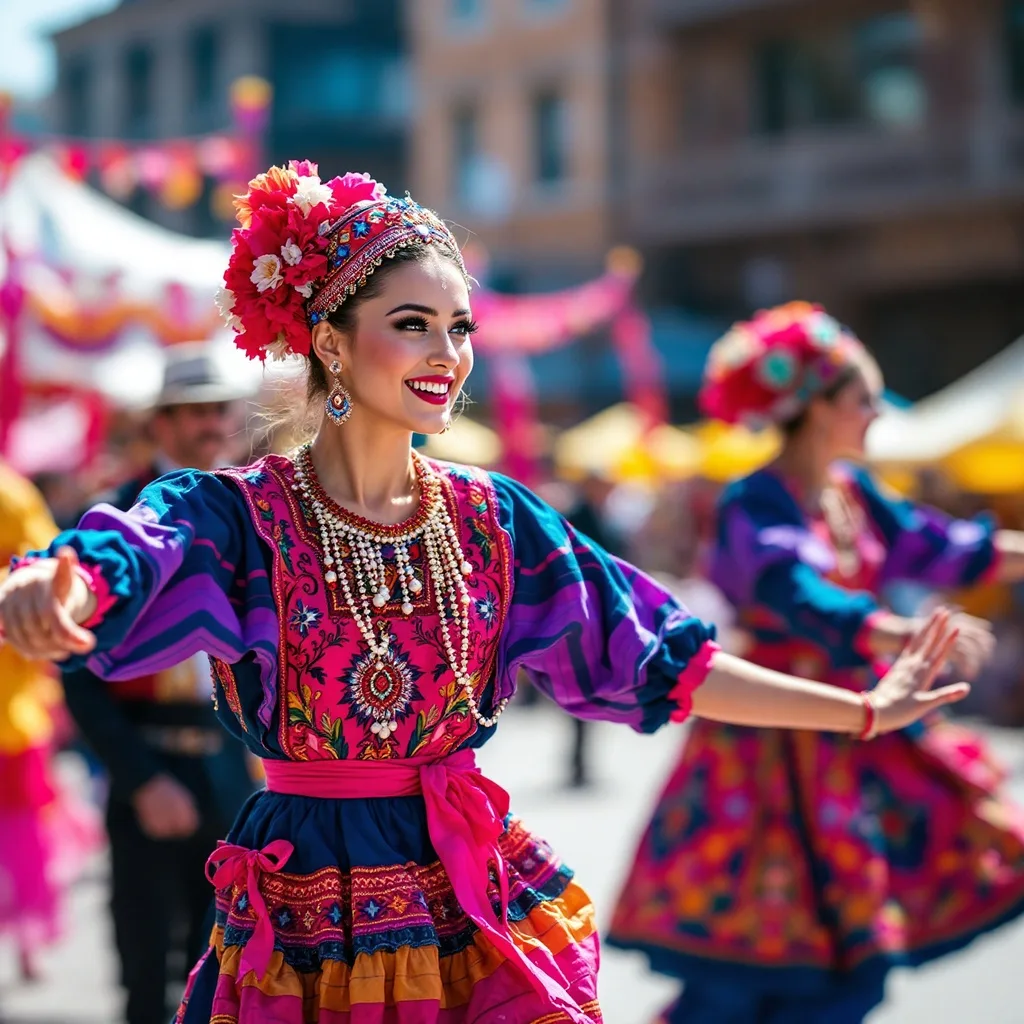
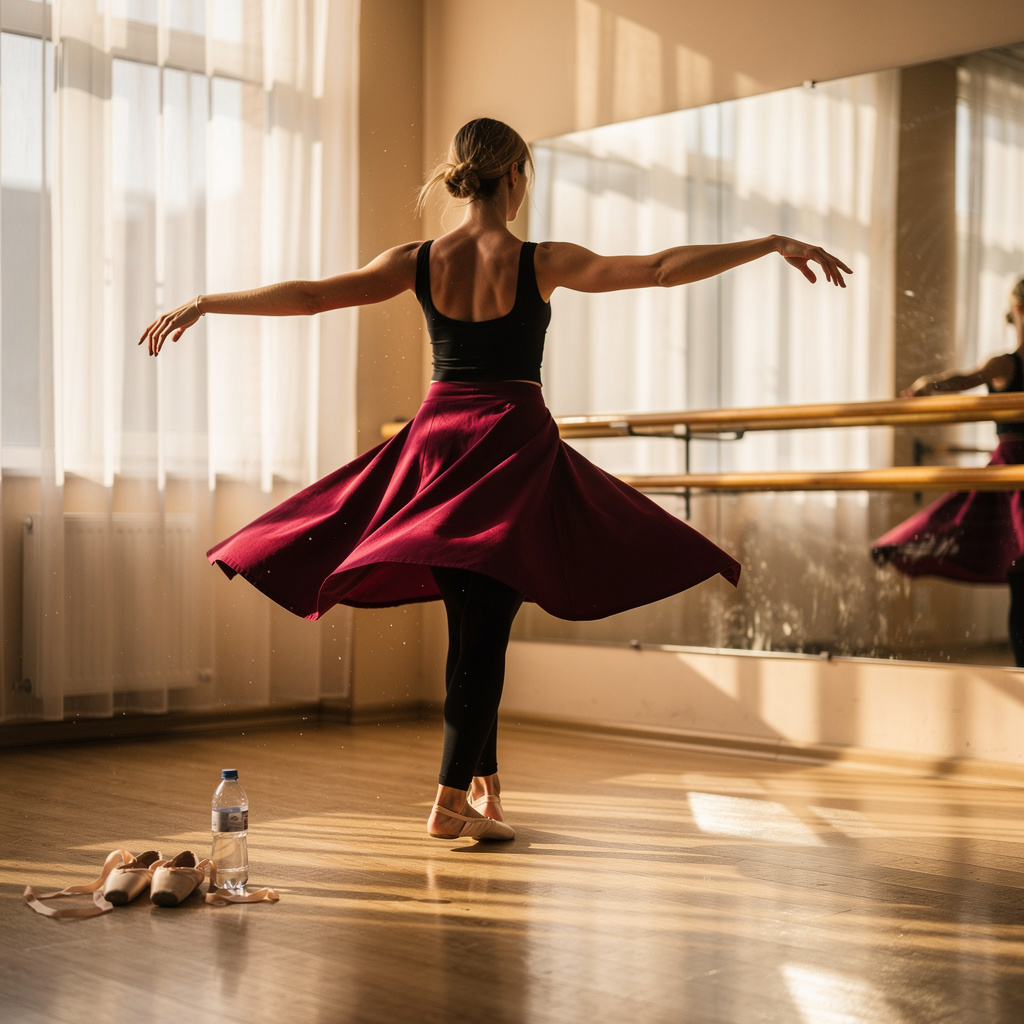
Dance Fundamentals is the foundational study of how the human body moves through space and time with intention, safety, and expression. Its scope includes anatomical alignment, posture, breath support, rhythmic accuracy, musical phrasing, and the basic vocabulary of locomotor and non-locomotor movement. Core concepts include weight transfer, balance, initiation, follow-through, spatial pathways, formations, dynamic contrast, and the relationship between energy and time. It also introduces the aesthetic and cultural foundations of major dance styles such as ballet, modern, contemporary, jazz, and social dance, while emphasizing improvisation and creative problem-solving as essential skills. This subject is not about mastering advanced tricks; it is about building a resilient, articulate, and responsive moving body.
Dance fundamentals matter today because movement literacy is increasingly recognized as a form of physical, cognitive, and emotional intelligence relevant far beyond the stage. In professional dance, theater, film, and commercial performance, directors and choreographers expect dancers to adapt quickly across styles, absorb complex rhythms, and work safely under intense rehearsal schedules. In academia, dance science and somatics have shifted training toward evidence-based practices that prioritize injury prevention, motor learning, and individual anatomical differences. Community and social dance contexts also value foundational skills for inclusive participation, cultural exchange, and mental well-being. Recent shifts toward hybrid and online dance learning, as well as interdisciplinary collaborations with health, technology, and education, make a solid grounding in movement fundamentals more portable and valuable than ever.
Mastering dance fundamentals builds a transferable skill stack that includes bodily self-awareness, spatial reasoning, rhythmic precision, dynamic control, and creative composition. These capacities support not only dancers but also actors, musicians, athletes, physical therapists, educators, and anyone whose work depends on confident, coordinated presence. In professional contexts, this skill stack enables reliable rehearsal etiquette, ensemble sensitivity, quick stylistic adaptation, and expressive performance quality. Personally, it fosters resilience, focus, stress regulation, and a deeper appreciation for how movement shapes identity and communication. The subject thus serves as both a technical base and a life-enhancing practice that can be revisited at any age or ability level.
Common Questions About Dance Fundamentals
Can I join Dance Fundamentals with zero dance experience?
Is the Dance Fundamentals course self-paced or on a schedule?
Why doesn't standing up straight count as real alignment?
- The vertical reference line: an imaginary line through the body — ear over shoulder, over hip, over the middle of the foot — used as a check you return to, not a posture you freeze into.
- Body awareness, the invisible sense: your sense of where your joints are and how much effort they are using without looking, which is what lets you feel a deviation before anyone points it out.
- Stacking over gripping: the aim is to let bones carry weight and muscles do the moving, so the neck, jaw and lower back stay available for breath and expression.
How do I keep the pulse when the music stops?
What separates locomotor from non-locomotor movement?
- Locomotor set: walk, run, hop, jump, leap, skip, slide, gallop — traveling actions that change your location.
- Non-locomotor set: bend, stretch, twist, swing, rise, sink, shake — on-the-spot actions performed around a stable base.
- The same step, two names: a step-touch that travels across the floor is locomotor; the identical weight shift done in place is non-locomotor.
- Why the split matters: it lets you build phrases deliberately — travel, pause, isolate, travel again — instead of simply repeating steps.
Why does en-dehors rotation start at the hip, not the feet?
Do you need natural rhythm to learn dance fundamentals?
What Will This Course Bring You?
- Apply alignment and posture principles to warm-up and movement sequences, demonstrating safe body mechanics that prevent injury during dance practice.
- Analyze rhythmic patterns and musical phrasing to synchronize locomotor and non-locomotor movements with pulse, tempo, and accent in structured dance combinations.
- Design spatial pathways and formations that use levels, directions, and stage space intentionally while maintaining clear group relationships during ensemble movement studies.
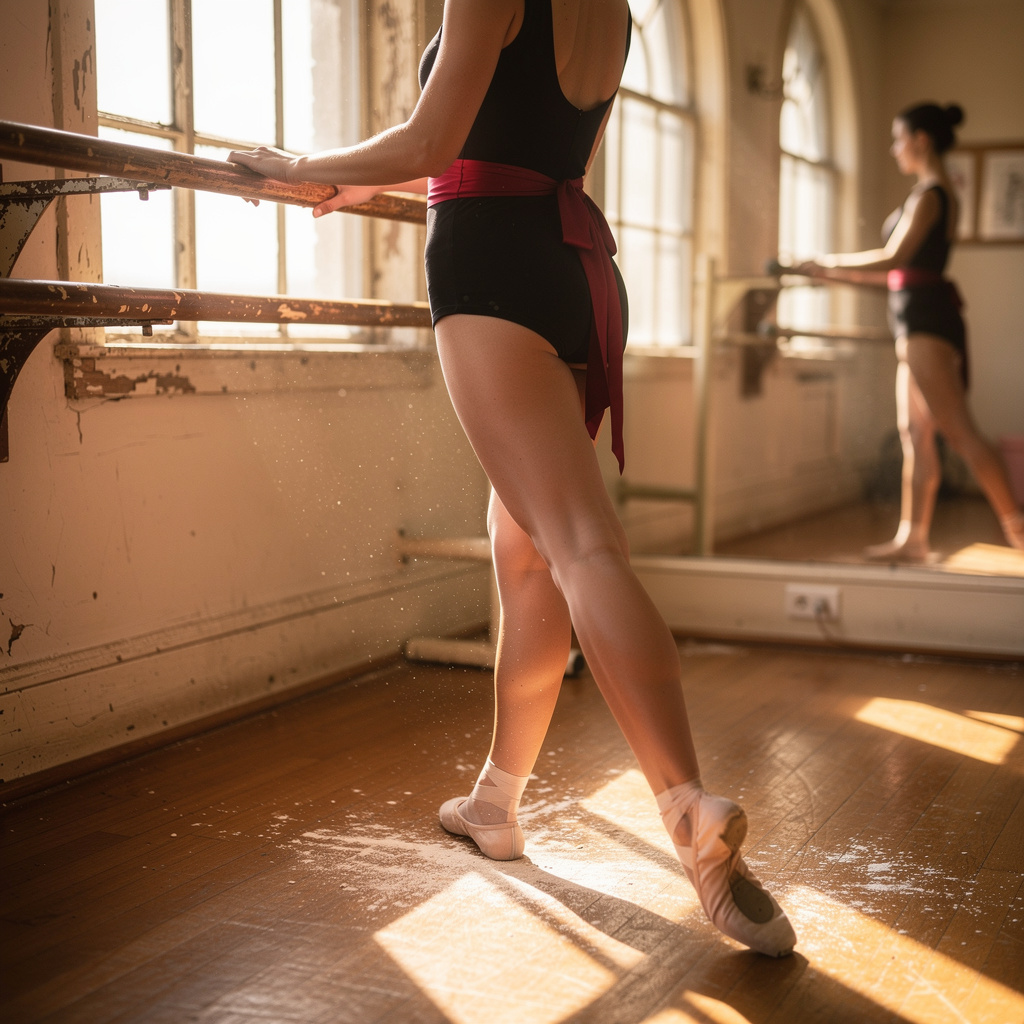
- Demonstrate ballet foundations by executing positions, barre exercises, and center combinations with controlled turnout, balance, and coordinated port de bras.
- Apply modern and contemporary floorwork techniques to transfer weight safely, articulate the spine, and integrate breath into falling, rising, and traveling movement phrases.
- Analyze jazz and social dance grooves by isolating body parts, maintaining rhythmic connection with a partner, and adapting steps to varied musical styles.
- Implement improvisational and choreographic tools to generate original movement material, evaluate compositional choices, and refine short dance studies for clarity and intent.
- Evaluate rehearsal, staging, and performance experiences by documenting ensemble contributions, reflecting on audience impact, and planning continued practice goals.
Curriculum
12 Units1. The Moving Body: Alignment, Posture, and Safe Practice
1 hour
2. Rhythm, Pulse, and Musicality
1 hour
3. Movement Vocabulary: Locomotor and Non-Locomotor Actions
1 hour
4. Space, Pathways, and Formations
1 hour
5. Time, Energy, and Dynamics
1 hour
6. Ballet Foundations: Positions, Barre, and Center Practice
1 hour
7. Modern and Contemporary Foundations: Floorwork and Weight
1 hour
8. Jazz and Social Dance: Isolation, Groove, and Connection
1 hour
9. Improvisation and Creative Exploration
1 hour
10. Choreographic Tools and Composition
1 hour
11. Rehearsal, Staging, and Ensemble Skills
1 hour
12. Performance, Reflection, and Continued Practice
1 hour
Exam – Dance Fundamentals
20 Questions • 70% Pass • 30 min
Unlock All Units for Free
Create an account, enroll in the course, and start with the first unit right away.
Exam – Dance Fundamentals
20 Questions • Pass: 70% • 30 min
Course Duration
720
Total Minutes
12
Unit
1
Final Exam
~60
Min / Unit
Dance Fundamentals Certificate Program
Document Your Skill
Those who pass the 20-question, 30-minute exam with 70% receive the Dance Fundamentals Certificate.
Stand Out on Your CV
By adding your certificate to your CV, gain a professional reference in job applications and stand out from the crowd.
Career Advantage
With the verification code, employers can check your certificate instantly — a concrete way to show your growth.
CERTIFICATE FEE
At the end of the course, an online exam consisting of 20 questions with a 30-minute time limit is given. The exam appears automatically after you complete the topics. Anyone who scores at least 70 out of 100 on the certificate exam is awarded the Dance Fundamentals Document (certificate of attendance). You can add the certificate you earn to your CV for job applications in the many sectors listed above, and use it as a reference proving that you took this interactive course.
The Certificate of Achievement you receive with the Dance Fundamentals course program holds value that proves your personal and professional development in the business world. By adding it to your CV, it can serve as an important reference in your job applications. Moreover, compared with certificates from other private training institutions, Catch Wisdom certificates are offered to our participants at a much more affordable price.
The Dance Fundamentals course certificate is a document that proves, with a unique verification code, that you completed the course. Employers can instantly check its authenticity with this code, which helps you show your development concretely in your job applications.
For more information, we recommend visiting the Support page.
Certificate in 7 Languages
Earning success certificates from our courses is now more meaningful and global. With certificates available in Turkish, English, German, French, Spanish, Arabic, and Russian, we fully unlock the potential of students worldwide.
Why Certificate in 7 Languages?
-
01
Global Skill Development
Receiving your certificates in 7 different languages strengthens your communication skills as you engage with more people worldwide. It lets you operate more confidently and capably on the international stage.
-
02
International Job Opportunities
Employers may see your certificates in multiple languages as a sign of your ability to seize global opportunities. You can open more doors to new jobs and projects.
-
03
Cultural Richness
The chance to earn certificates in different languages helps you build closer ties with various cultures and broadens your worldview. It enriches your global perspective and deepens cultural understanding.
-
04
Ability to Participate in International Projects
Multilingual certificates give you an edge to work more effectively on international projects. They boost your chances of leadership and participation in diverse projects in the business world.
-
05
Prove Yourself on the Global Stage
Certificates in multiple languages give you the opportunity to present your skills and knowledge worldwide.
Language diversity opens worldwide opportunities. If you want to prove yourself in the international arena, join our online Dance Fundamentals course program and begin this journey with us.
Frequently Asked Questions (FAQ)
Is this course paid?
How do I join the course?
Can I take the course at my own pace?
How can I get my certificate?
What are the advantages of the certificate?
Boost Your Career
Take a new career step with the Dance Fundamentals course. Add your certificate to your CV, stand out in job applications, and open the door to new opportunities in the industry.
StartStudent Reviews
No reviews yet
Enroll in this course and be the first to leave a review about your experience with Dance Fundamentals.
Start