What is Radio Presenting Skills?
Radio Presenting Skills Certificate Program
Radio Presenting Skills certificate program is a practical training path for aspiring presenters, podcasters, community broadcasters, and media professionals who want to command the microphone with clarity and purpose. It teaches the full arc of on-air work, from understanding the role of the presenter and developing voice, breath, and microphone technique to shaping a conversational delivery and a believable on-air persona. Learners also explore show planning, rundown building, writing for the ear, music radio formatics, talk radio monologues, guest interviewing, audience interaction, live remote broadcasts, and recovery from on-air mistakes. The main practical outcome is a presenter who can plan, perform, and refine a complete radio segment while building a demo reel that demonstrates real broadcast ability.
The program is structured as a beginner-friendly progression that moves from foundational voice and microphone skills into increasingly complex live and conversational formats. Each stage balances theory with practice, so learners analyze broadcast examples, write scripts and links, rehearse interviews, and simulate live remote or breaking-news scenarios. Across the course, five core skill areas are built: vocal and microphone control, editorial and show planning, conversational performance, audience engagement, and professional resilience. Choosing this program now makes sense because radio-style presentation has expanded into podcasts, streaming, social audio, and digital news, where clear spoken communication and confident live delivery are more valuable than ever.
What is Radio Presenting Skills?
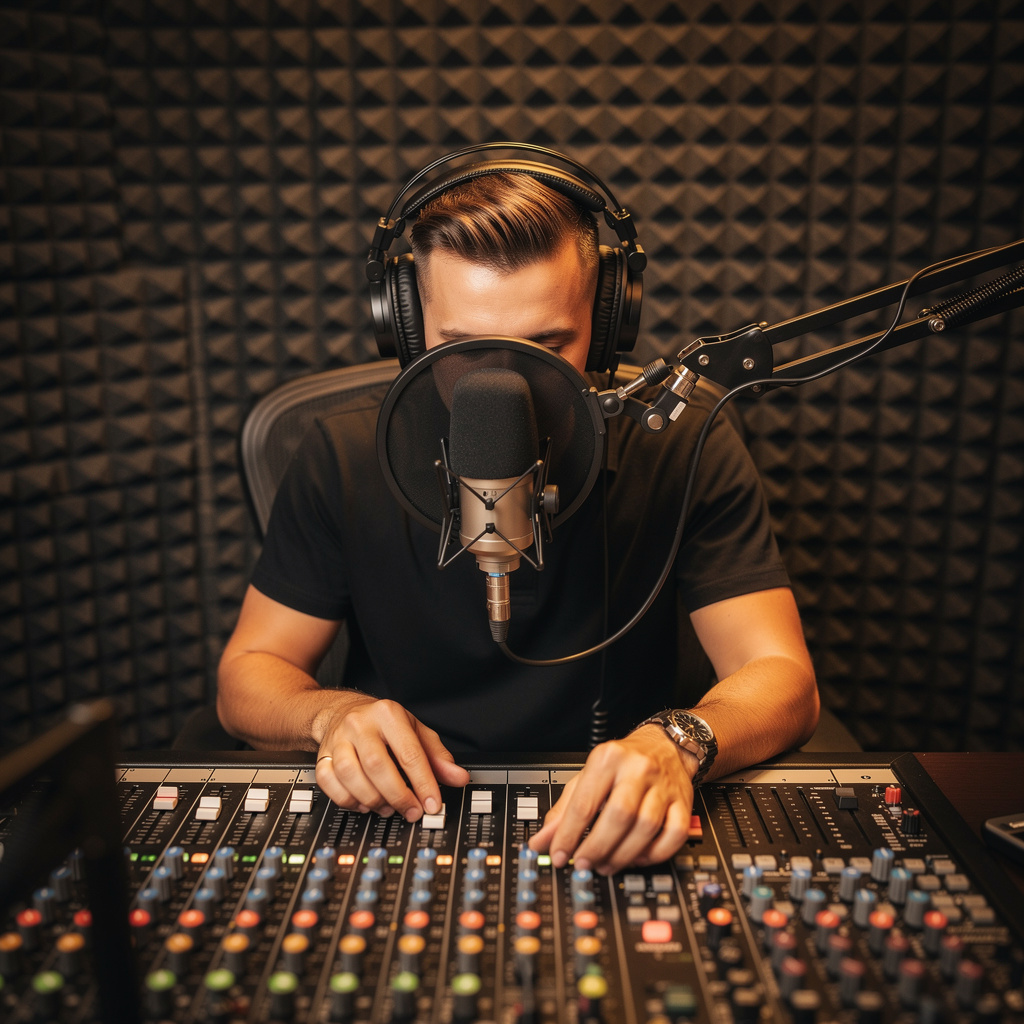
Radio presenting skills describe the craft of communicating live or recorded audio to an audience with clarity, personality, and structure. Its scope includes vocal technique, breath support, microphone handling, conversational timing, and the ability to sound natural while following a format or program structure. Core concepts also include writing spoken-word scripts, building transitions, interviewing, managing listener participation, and responding calmly to technical or editorial problems. Together, these elements turn a voice into a reliable broadcast instrument that can inform, entertain, and connect with listeners.
In today's media landscape, radio presenting skills matter because audio has become portable, on-demand, and socially interactive across radio stations, podcasts, streaming platforms, and live social audio rooms. Broadcasters, podcasters, journalists, community organizers, and corporate communicators all use these skills to hold attention in a crowded listening environment. Recent shifts toward remote production, live streaming, and short-form audio have made adaptability, authenticity, and strong microphone presence more important than formal studio polish alone. Academic media programs and industry training alike now treat presentation as a core competency rather than a minor technical add-on.
Mastering this subject builds a transferable skill stack that combines vocal control, editorial judgment, improvisation, audience empathy, and technical awareness. These abilities support professional roles in radio, podcasting, live event hosting, journalism, public relations, voice acting, and any communication-heavy career. They also benefit personal contexts such as public speaking, interviewing, teaching, and community advocacy, where speaking clearly and listening actively create trust. The subject ultimately bridges technical broadcast knowledge with human connection, making it valuable wherever spoken communication needs to be engaging, accurate, and responsive.
Common Questions About Radio Presenting Skills
Does the Radio Presenting Skills certificate help my CV without radio experience?
Can a complete beginner start this radio presenting course with no studio access?
Why does diaphragmatic breathing matter more than chest breathing on air?
What is the most common microphone technique mistake new presenters make?
How do you build conversational delivery without sounding fake on radio?
What belongs in a radio show rundown to keep the hour on track?
- Segment times and durations: fixed slots that tell you when to start and stop talking.
- Links and transitions: the spoken lines that carry the listener from one item to the next.
- Music and beds: where songs, jingles and underscores sit, plus their in and out points.
- Talk points and questions: bullet notes rather than full scripts, so you sound alive.
- Contingency items: a filler segment or two for when a guest is late or a call drops.
Do you need a perfect voice to succeed in radio presenting?
What Will This Course Bring You?
- Analyze the role, responsibilities, and ethical duties of a radio presenter to establish a professional on-air identity across different broadcast formats.
- Apply breath support, microphone technique, and conversational delivery strategies to build a natural on-air persona that connects with listeners.
- Design a timed show rundown and write ear-friendly scripts, links, and transitions that guide listeners smoothly through each broadcast segment.
- Implement music radio formatics and construct talk segments or monologues that match a station's brand, audience, and programming goals.
- Conduct guest interviews and apply audience interaction techniques that encourage call-ins, social media engagement, and community participation.
- Execute live remote broadcasts and breaking news coverage while maintaining composure, clear communication, and technical coordination under pressure.
- Recover from on-air mistakes and difficult situations by applying apology, redirection, and composure techniques that preserve credibility and listener trust.
- Build a demo reel and career development plan that showcases vocal range, format versatility, and feedback-driven improvements for radio job applications.
Curriculum
12 Units1. The Role of the Radio Presenter
1 hour
2. Voice, Breath, and Microphone Technique
1 hour
3. Conversational Delivery and On-Air Persona
1 hour
4. Show Planning and Rundown Building
1 hour
5. Writing for the Ear: Scripts, Links, and Transitions
1 hour
6. Music Radio Presentation and Formatics
1 hour
7. Talk Radio, Monologues, and Opinion
1 hour
8. Interviewing Guests and Conducting Conversations
1 hour
9. Audience Interaction and Community Building
1 hour
10. Live Remote Broadcasts and Breaking News
1 hour
11. Recovering from On-Air Mistakes and Difficult Situations
1 hour
12. Demo Reels, Feedback, and Career Development
1 hour
Exam – Radio Presenting Skills
20 Questions • 70% Pass • 30 min
Unlock All Units for Free
Create an account, enroll in the course, and start with the first unit right away.
Exam – Radio Presenting Skills
20 Questions • Pass: 70% • 30 min
Course Duration
720
Total Minutes
12
Unit
1
Final Exam
~60
Min / Unit
Radio Presenting Skills Certificate Program
Document Your Skill
Those who pass the 20-question, 30-minute exam with 70% receive the Radio Presenting Skills Certificate.
Stand Out on Your CV
By adding your certificate to your CV, gain a professional reference in job applications and stand out from the crowd.
Career Advantage
With the verification code, employers can check your certificate instantly — a concrete way to show your growth.
CERTIFICATE FEE
At the end of the course, an online exam consisting of 20 questions with a 30-minute time limit is given. The exam appears automatically after you complete the topics. Anyone who scores at least 70 out of 100 on the certificate exam is awarded the Radio Presenting Skills Document (certificate of attendance). You can add the certificate you earn to your CV for job applications in the many sectors listed above, and use it as a reference proving that you took this interactive course.
The Certificate of Achievement you receive with the Radio Presenting Skills course program holds value that proves your personal and professional development in the business world. By adding it to your CV, it can serve as an important reference in your job applications. Moreover, compared with certificates from other private training institutions, Catch Wisdom certificates are offered to our participants at a much more affordable price.
The Radio Presenting Skills course certificate is a document that proves, with a unique verification code, that you completed the course. Employers can instantly check its authenticity with this code, which helps you show your development concretely in your job applications.
For more information, we recommend visiting the Support page.
Certificate in 7 Languages
Earning success certificates from our courses is now more meaningful and global. With certificates available in Turkish, English, German, French, Spanish, Arabic, and Russian, we fully unlock the potential of students worldwide.
Why Certificate in 7 Languages?
-
01
Global Skill Development
Receiving your certificates in 7 different languages strengthens your communication skills as you engage with more people worldwide. It lets you operate more confidently and capably on the international stage.
-
02
International Job Opportunities
Employers may see your certificates in multiple languages as a sign of your ability to seize global opportunities. You can open more doors to new jobs and projects.
-
03
Cultural Richness
The chance to earn certificates in different languages helps you build closer ties with various cultures and broadens your worldview. It enriches your global perspective and deepens cultural understanding.
-
04
Ability to Participate in International Projects
Multilingual certificates give you an edge to work more effectively on international projects. They boost your chances of leadership and participation in diverse projects in the business world.
-
05
Prove Yourself on the Global Stage
Certificates in multiple languages give you the opportunity to present your skills and knowledge worldwide.
Language diversity opens worldwide opportunities. If you want to prove yourself in the international arena, join our online Radio Presenting Skills course program and begin this journey with us.
Frequently Asked Questions (FAQ)
Is this course paid?
How do I join the course?
Can I take the course at my own pace?
How can I get my certificate?
What are the advantages of the certificate?
Boost Your Career
Take a new career step with the Radio Presenting Skills course. Add your certificate to your CV, stand out in job applications, and open the door to new opportunities in the industry.
StartStudent Reviews
No reviews yet
Enroll in this course and be the first to leave a review about your experience with Radio Presenting Skills.
Start