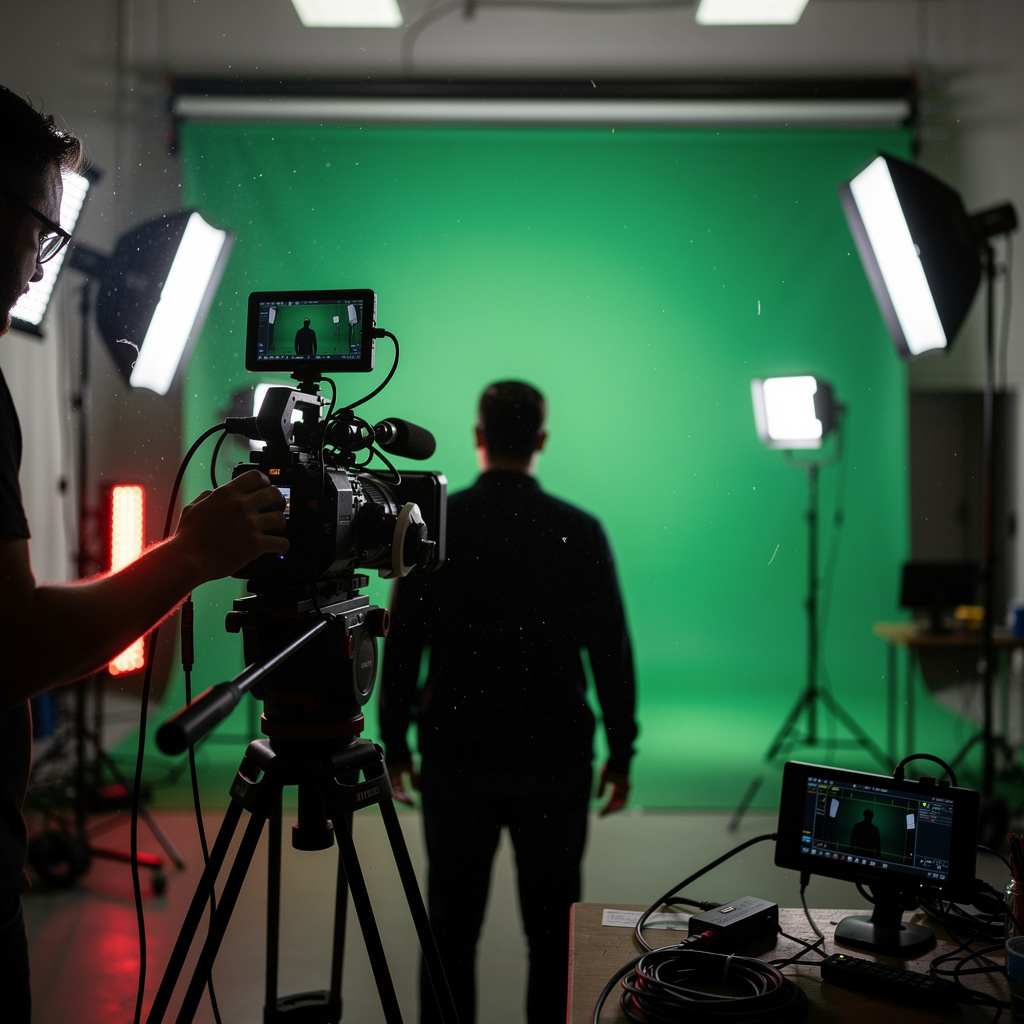
What is Shooting Vertical Video?
Shooting Vertical Video Training
The Shooting Vertical Video certificate program is a hands-on training experience designed for content creators, social media managers, journalists, and independent filmmakers who want to master the art of producing video in the 9:16 format. The course walks through every stage of vertical video production, from understanding the format's unique visual language to camera setup, composition, lighting, audio capture, and stabilization. Participants will also explore platform-specific shooting strategies for TikTok, Instagram Reels, YouTube Shorts, and Snapchat, ensuring their content performs optimally on each channel. By the end of the program, learners will have produced a complete vertical video project that demonstrates professional-level framing, sound, and motion techniques.
The program is structured as a beginner-friendly progression that balances theoretical foundations with practical, hands-on exercises across ten focused lessons. Core skill areas include camera and settings mastery, composition and framing for tall aspect ratios, lighting and audio capture, stabilization and movement, and pre-production planning. Advanced lessons on directing subjects, selecting locations, and post-production basics round out the curriculum, giving learners a full production pipeline. With the explosive growth of mobile-first video consumption, this program is an essential investment for anyone looking to stay relevant in today's content landscape.
What is Shooting Vertical Video?
Shooting vertical video is the practice of capturing video content in a portrait orientation, typically with a 9:16 aspect ratio, designed to fill the screens of smartphones and mobile devices. Unlike traditional horizontal video, which mimics the widescreen format of cinema and television, vertical video prioritizes the way people naturally hold their phones and consume content on social platforms. Core concepts include tall-aspect composition, subject placement within a narrow frame, and adapting lighting and camera movement to suit the vertical field of view. The format also encompasses platform-specific considerations, such as safe zones for UI elements and the need for rapid visual hooks to capture scrolling viewers' attention.
The relevance of vertical video has skyrocketed in recent years, driven by the dominance of short-form video platforms like TikTok, Instagram Reels, and YouTube Shorts, which collectively reach billions of users daily. Brands, news organizations, and individual creators have all shifted to mobile-first strategies, recognizing that vertical video generates higher engagement and completion rates than horizontal content on mobile devices. Live streaming on platforms like Instagram and Facebook also increasingly favors vertical framing, while advertising formats have adapted to fill the full screen of smartphones. This shift has made vertical video a fundamental skill for anyone working in digital media, marketing, or content production today.
Mastering the subject of vertical video builds a versatile skill stack that includes visual composition, technical camera operation, audio engineering, lighting design, and directorial communication. These skills translate directly into professional contexts such as social media management, brand content creation, freelance videography, and even broadcast journalism, where mobile-first reporting is now standard. For personal creators, the ability to shoot compelling vertical video opens doors to monetization, audience growth, and creative expression. The subject also fosters a deeper understanding of how format shapes storytelling, a principle that benefits any visual communicator regardless of the platform they ultimately target.
Common Questions About Shooting Vertical Video
Does the shooting vertical video course suit absolute beginners?
What career paths benefit from this vertical video training?
How does the 9:16 frame change rule of thirds composition?
What's the difference between lavalier and shotgun mics for vertical video?
Why is the -12 to -9 dBFS rule crucial for audio capture?
How do I map platform overlays on a 1080×1920 frame?
- TikTok: Keep the right edge clear for action icons and the bottom for the caption bar.
- Instagram Reels: Reserve the bottom area for text and the right side for engagement buttons.
- YouTube Shorts: Leave the bottom area free for the title and the right side for the subscribe button.
Is vertical video just cropped horizontal footage?
What Will This Course Bring You?
- Evaluate the characteristics of vertical video formats and determine optimal resolution and aspect ratio for mobile-first platforms.
- Apply vertical composition techniques such as the rule of thirds and leading lines to frame subjects effectively within a 9:16 aspect ratio.
- Design lighting setups that account for vertical framing, using key, fill, and rim lights to enhance subject depth and contrast.
- Implement audio capture strategies using external microphones and monitoring to ensure clear dialogue in vertical video productions.
- Execute smooth camera movements and stabilization techniques using gimbals or handheld methods tailored for vertical shooting.
- Analyze platform-specific requirements for vertical video on Instagram, TikTok, and YouTube Shorts to optimize content delivery.
- Direct subjects to perform naturally within the vertical frame, using blocking and cueing to maintain visual interest.
- Design a pre-production plan including shot lists, storyboards, and scheduling tailored for vertical video projects.
Curriculum
12 Units1. The Vertical Video Format
1 hour
2. Camera Setup and Settings
1 hour
3. Composition and Framing
1 hour
4. Lighting for Vertical Video
1 hour
5. Audio Capture
1 hour
6. Stabilization and Movement
1 hour
7. Platform-Specific Shooting
1 hour
8. Advanced Shooting Techniques
1 hour
9. Directing and Working with Subjects
1 hour
10. Location and Background
1 hour
11. Pre-Production Planning
1 hour
12. Review and Post-Production Basics
1 hour
Exam – Shooting Vertical Video
20 Questions • 70% Pass • 30 min
Unlock All Units for Free
Create an account, enroll in the course, and start with the first unit right away.
Exam – Shooting Vertical Video
20 Questions • Pass: 70% • 30 min
Course Duration
720
Total Minutes
12
Unit
1
Final Exam
~60
Min / Unit
Shooting Vertical Video Certificate Program
Document Your Skill
Those who pass the 20-question, 30-minute exam with 70% receive the Shooting Vertical Video Certificate.
Stand Out on Your CV
By adding your certificate to your CV, gain a professional reference in job applications and stand out from the crowd.
Career Advantage
Catch Wisdom certificates are recognized by HR departments and increase career opportunities.
CERTIFICATE FEE
At the end of the course, an online exam consisting of 20 questions with a 30-minute time limit is given. The exam appears automatically after you complete the topics. Anyone who scores at least 70 out of 100 on the certificate exam is awarded the Shooting Vertical Video Document (certificate of attendance). You can add the certificate you earn to your CV for job applications in the many sectors listed above, and use it as a reference proving that you took this interactive course.
The Certificate of Achievement you receive with the Shooting Vertical Video course program holds value that proves your personal and professional development in the business world. By adding it to your CV, it can serve as an important reference in your job applications. Moreover, compared with certificates from other private training institutions, Catch Wisdom certificates are offered to our participants at a much more affordable price.
Because HR departments recognize Catch Wisdom as a reputable institution in this field, they value these certificates and may evaluate your job applications favorably. For this reason, a Shooting Vertical Video course certificate from Catch Wisdom can make your applications more attractive and place you in an advantageous position in the business world.
For more information, we recommend visiting the Support page.
Certificate in 7 Languages
Earning success certificates from our courses is now more meaningful and global. With certificates available in Turkish, English, German, French, Spanish, Arabic, and Russian, we fully unlock the potential of students worldwide.
Why Certificate in 7 Languages?
-
01
Global Skill Development
Receiving your certificates in 7 different languages strengthens your communication skills as you engage with more people worldwide. It lets you operate more confidently and capably on the international stage.
-
02
International Job Opportunities
Employers may see your certificates in multiple languages as a sign of your ability to seize global opportunities. You can open more doors to new jobs and projects.
-
03
Cultural Richness
The chance to earn certificates in different languages helps you build closer ties with various cultures and broadens your worldview. It enriches your global perspective and deepens cultural understanding.
-
04
Ability to Participate in International Projects
Multilingual certificates give you an edge to work more effectively on international projects. They boost your chances of leadership and participation in diverse projects in the business world.
-
05
Prove Yourself on the Global Stage
Certificates in multiple languages let you showcase your skills and knowledge worldwide. You can become an internationally recognized professional.
Language diversity opens worldwide opportunities. If you want to prove yourself in the international arena, join our online Shooting Vertical Video course program and begin this journey with us.
Frequently Asked Questions (FAQ)
Is this course paid?
How do I join the course?
Can I take the course at my own pace?
How can I get my certificate?
What are the advantages of the Certified Certificate?
Boost Your Career
Take a new career step with the Shooting Vertical Video course. Add your certificate to your CV, stand out in job applications, and open the door to new opportunities in the industry.
StartStudent Reviews
No reviews yet
Enroll in this course and be the first to leave a review about your experience with Shooting Vertical Video.
Start