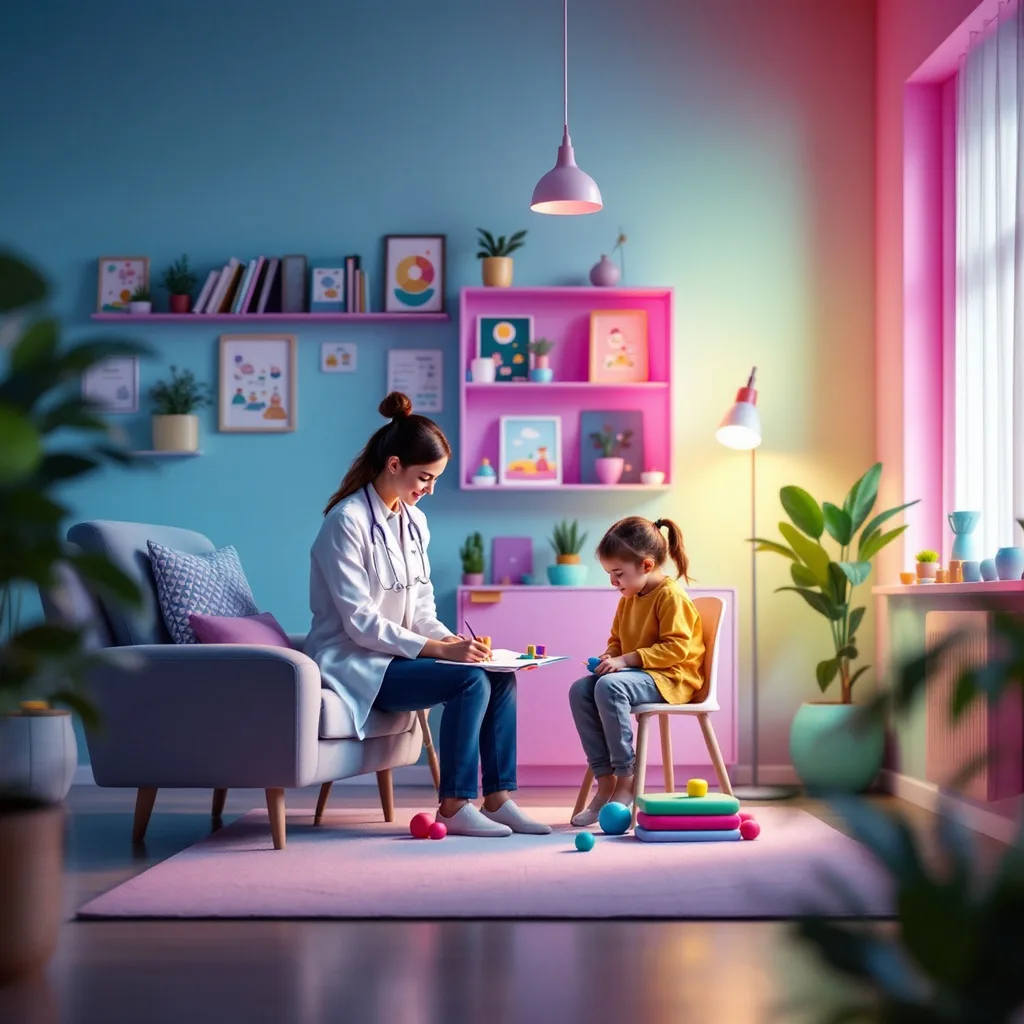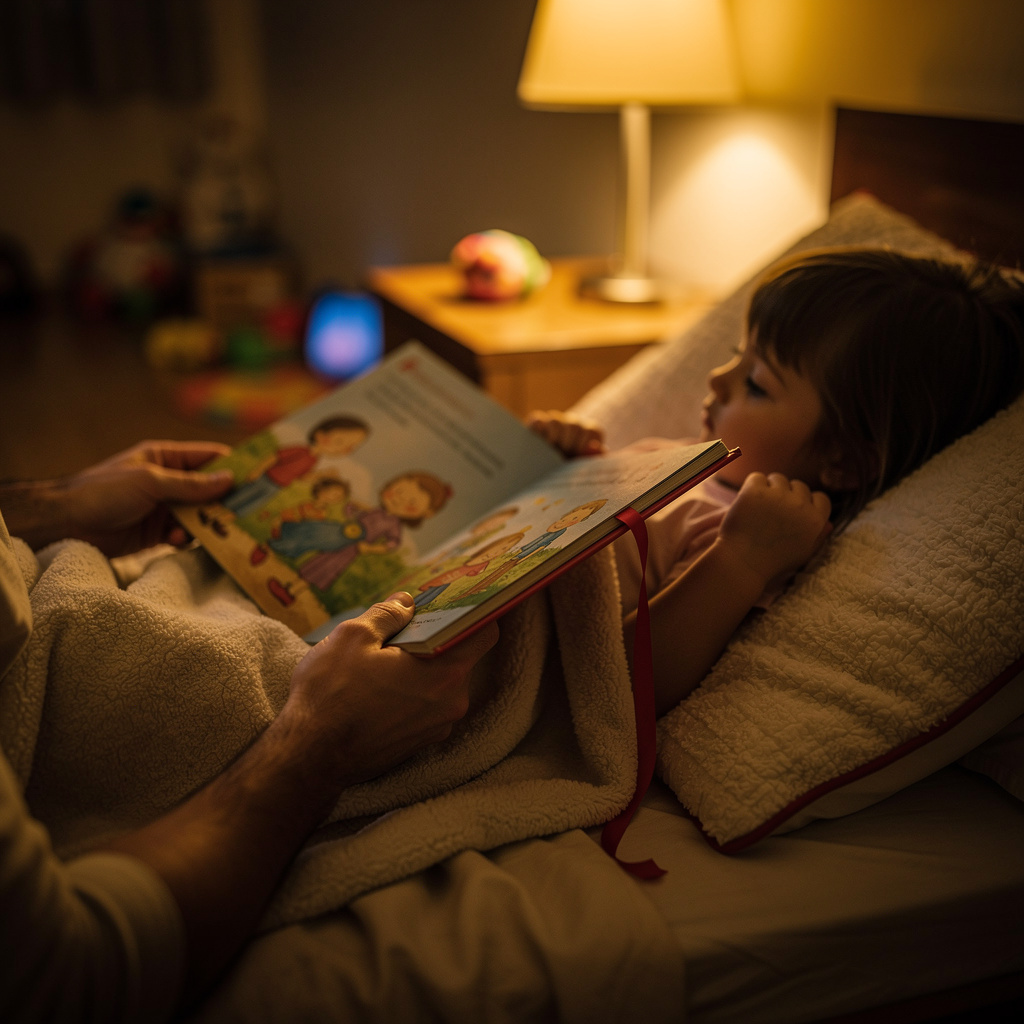
What is The Art of Bedtime Storytelling?
The Art of Bedtime Storytelling Training
The Art of Bedtime Storytelling certificate program is a hands-on training designed for parents, educators, librarians, and early childhood professionals who want to transform nightly reading into a meaningful ritual. This course teaches you how to select age-appropriate tales, structure narratives for maximum engagement, and use voice, pacing, and atmosphere to captivate young listeners. By the end, you will be able to craft original stories, adapt classic favorites, and handle real-world bedtime challenges with confidence—turning a daily task into a cherished bonding experience.
The program is structured as a beginner-friendly progression that balances theory with immediate practice. Starting with the psychological purpose of bedtime stories and developmental stages, it builds through story selection, narrative architecture, and vocal characterization, then moves into interactive techniques, improvisation, and the use of props and visuals. You will also master the bedtime ritual itself—consistency, transitions, and troubleshooting common disruptions. With twelve focused lessons, this certificate program offers a comprehensive skill stack that is both practical and creative, making it the ideal choice for anyone seeking to deepen their storytelling craft in today’s screen-saturated world.
What is The Art of Bedtime Storytelling?
The Art of Bedtime Storytelling is the deliberate practice of using narrative to soothe, educate, and connect with children during the transition to sleep. It encompasses the selection of stories suited to a child’s cognitive and emotional stage, the manipulation of pacing and tone to create a calm yet engaging experience, and the construction of a consistent ritual that signals safety and comfort. Core concepts include narrative arc, character voice, sensory atmosphere, and the delicate balance between active participation and relaxation—all aimed at fostering a positive association with storytelling and sleep.
In an era of digital distraction and fragmented attention, this subject has gained renewed relevance. Parents and educators increasingly seek screen-free alternatives that promote language development, emotional regulation, and parent-child bonding. Research in child psychology and early literacy supports the benefits of oral storytelling, from vocabulary growth to empathy building. The practice is now used not only in homes but also in preschools, pediatric care settings, and family therapy, where it serves as a tool for easing anxiety and establishing healthy routines. Recent shifts toward mindfulness and slow living have further elevated bedtime storytelling as a cornerstone of intentional parenting.
Mastering this subject builds a versatile skill stack that includes narrative design, vocal expression, audience awareness, and adaptive improvisation. These competencies are valuable not only for parents and caregivers but also for educators designing literacy programs, children’s librarians planning story hours, and content creators producing audio or video narratives for young audiences. The ability to craft and deliver a compelling bedtime story enhances emotional intelligence, public speaking, and creative writing—skills that benefit professional contexts such as teaching, counseling, and even corporate training. Ultimately, the art transforms a simple nightly routine into a profound tool for connection and growth, enriching both the storyteller and the listener.
Common Questions About The Art of Bedtime Storytelling
Does the Art of Bedtime Storytelling certificate help my nanny resume?
Is this bedtime storytelling training designed for complete beginners?
How does the Somebody Wanted But So Then framework affect bedtime story pacing?
What are common mistakes when using sensory language to create atmosphere?
- Overloading: Describing every sight, sound, and smell at once overwhelms a child; pick one or two strong, soothing cues per scene.
- Generic language: Saying 'the room was cozy' is weak; instead, use specific sensory details like 'the blanket smelled of lavender and warm cotton.'
- Ignoring the auditory channel: In a dark bedroom, sound is primary—describe soft whispers, distant clocks, or the rustle of leaves to build atmosphere.
Why is the preoperational lens key for choosing stories for ages 2-7?
How do you calibrate your voice tone for a dark bedroom while storytelling?
Is it a myth that bedtime stories must always be short and simple?
What Will This Course Bring You?
- Analyze the psychological and emotional benefits of bedtime stories for child development.
- Assess the developmental needs of children aged 2-7 to tailor story complexity and themes.
- Select appropriate stories based on child's interests, fears, and current life events.
- Apply narrative structure and pacing techniques to maintain engagement and build anticipation.
- Use vocal variation, tone, and characterization to bring story characters to life.
- Create a calming atmosphere using sensory details and environmental cues for the bedtime setting.
- Implement interactive questioning and child participation strategies to foster engagement during storytelling.
- Adapt classic tales or craft original stories that align with bedtime rituals and transitions.
Curriculum
12 Units1. The Purpose and Power of Bedtime Stories
1 hour
2. Understanding Your Audience: Age and Developmental Stages
1 hour
3. Choosing the Right Story
1 hour
4. Story Structure and Pacing
1 hour
5. Voice, Tone, and Characterization
1 hour
6. Creating Atmosphere and Setting
1 hour
7. Interactive Storytelling: Questions, Participation, and Engagement
1 hour
8. Improvisation and Handling Disruptions
1 hour
9. The Bedtime Ritual: Consistency and Transitions
1 hour
10. Using Props, Books, and Visuals
1 hour
11. Adapting Classic Tales and Creating Original Stories
1 hour
12. Troubleshooting Common Challenges
1 hour
Exam – The Art of Bedtime Storytelling
20 Questions • 70% Pass • 30 min
Unlock All Units for Free
Create an account, enroll in the course, and start with the first unit right away.
Exam – The Art of Bedtime Storytelling
20 Questions • Pass: 70% • 30 min
Course Duration
720
Total Minutes
12
Unit
1
Final Exam
~60
Min / Unit
The Art of Bedtime Storytelling Certificate Program
Document Your Skill
Those who pass the 20-question, 30-minute exam with 70% receive the The Art of Bedtime Storytelling Certificate.
Stand Out on Your CV
By adding your certificate to your CV, gain a professional reference in job applications and stand out from the crowd.
Career Advantage
Catch Wisdom certificates are recognized by HR departments and increase career opportunities.
CERTIFICATE FEE
At the end of the course, an online exam consisting of 20 questions with a 30-minute time limit is given. The exam appears automatically after you complete the topics. Anyone who scores at least 70 out of 100 on the certificate exam is awarded the The Art of Bedtime Storytelling Document (certificate of attendance). You can add the certificate you earn to your CV for job applications in the many sectors listed above, and use it as a reference proving that you took this interactive course.
The Certificate of Achievement you receive with the The Art of Bedtime Storytelling course program holds value that proves your personal and professional development in the business world. By adding it to your CV, it can serve as an important reference in your job applications. Moreover, compared with certificates from other private training institutions, Catch Wisdom certificates are offered to our participants at a much more affordable price.
Because HR departments recognize Catch Wisdom as a reputable institution in this field, they value these certificates and may evaluate your job applications favorably. For this reason, a The Art of Bedtime Storytelling course certificate from Catch Wisdom can make your applications more attractive and place you in an advantageous position in the business world.
For more information, we recommend visiting the Support page.
Certificate in 7 Languages
Earning success certificates from our courses is now more meaningful and global. With certificates available in Turkish, English, German, French, Spanish, Arabic, and Russian, we fully unlock the potential of students worldwide.
Why Certificate in 7 Languages?
-
01
Global Skill Development
Receiving your certificates in 7 different languages strengthens your communication skills as you engage with more people worldwide. It lets you operate more confidently and capably on the international stage.
-
02
International Job Opportunities
Employers may see your certificates in multiple languages as a sign of your ability to seize global opportunities. You can open more doors to new jobs and projects.
-
03
Cultural Richness
The chance to earn certificates in different languages helps you build closer ties with various cultures and broadens your worldview. It enriches your global perspective and deepens cultural understanding.
-
04
Ability to Participate in International Projects
Multilingual certificates give you an edge to work more effectively on international projects. They boost your chances of leadership and participation in diverse projects in the business world.
-
05
Prove Yourself on the Global Stage
Certificates in multiple languages let you showcase your skills and knowledge worldwide. You can become an internationally recognized professional.
Language diversity opens worldwide opportunities. If you want to prove yourself in the international arena, join our online The Art of Bedtime Storytelling course program and begin this journey with us.
Frequently Asked Questions (FAQ)
Is this course paid?
How do I join the course?
Can I take the course at my own pace?
How can I get my certificate?
What are the advantages of the Certified Certificate?
Boost Your Career
Take a new career step with the The Art of Bedtime Storytelling course. Add your certificate to your CV, stand out in job applications, and open the door to new opportunities in the industry.
StartStudent Reviews
No reviews yet
Enroll in this course and be the first to leave a review about your experience with The Art of Bedtime Storytelling.
Start