What is Starting Seeds Indoors?
Starting Seeds Indoors Certificate Program
Starting Seeds Indoors certificate program is a focused horticultural training that teaches how to produce vigorous transplants from seed under controlled indoor conditions. The curriculum covers seed anatomy and dormancy, germination triggers, variety selection and seed sourcing, indoor environment design, seed-starting mixes and sanitation, sowing depth and pre-treatment, moisture and warmth management, light and temperature for seedlings, watering and feeding, damping-off prevention, potting up, hardening off, and crop scheduling with troubleshooting. It is designed for home gardeners, homesteaders, market gardeners, urban farmers, nursery and agriculture students, and educators who want reliable, repeatable results rather than trial-and-error seed starting. The main practical outcome is a scalable indoor propagation workflow that yields healthy, transplant-ready seedlings on schedule, extends the growing season, reduces crop failure, and improves garden or farm productivity.
The program is organized as a beginner-friendly progression across twelve lessons, moving from benefits, timeline planning, and goal setting through seed biology, variety sourcing, environment design, sowing mechanics, germination management, seedling care, potting up, hardening off, and continuous crop planning. Each stage balances explanatory theory with practical decisions, so learners connect concepts such as dormancy or damping-off to concrete actions in mixes, containers, trays, light setups, and watering routines. Across the sequence, the course builds five core skill areas: propagation planning and crop scheduling, seed biology and pre-treatment, indoor environment and material design, seedling health and problem prevention, and transplant readiness and outdoor transition. This structure suits learners who want a complete, season-ready system now, especially as food costs, season-extension interest, and demand for locally grown transplants continue to rise.
What is Starting Seeds Indoors?
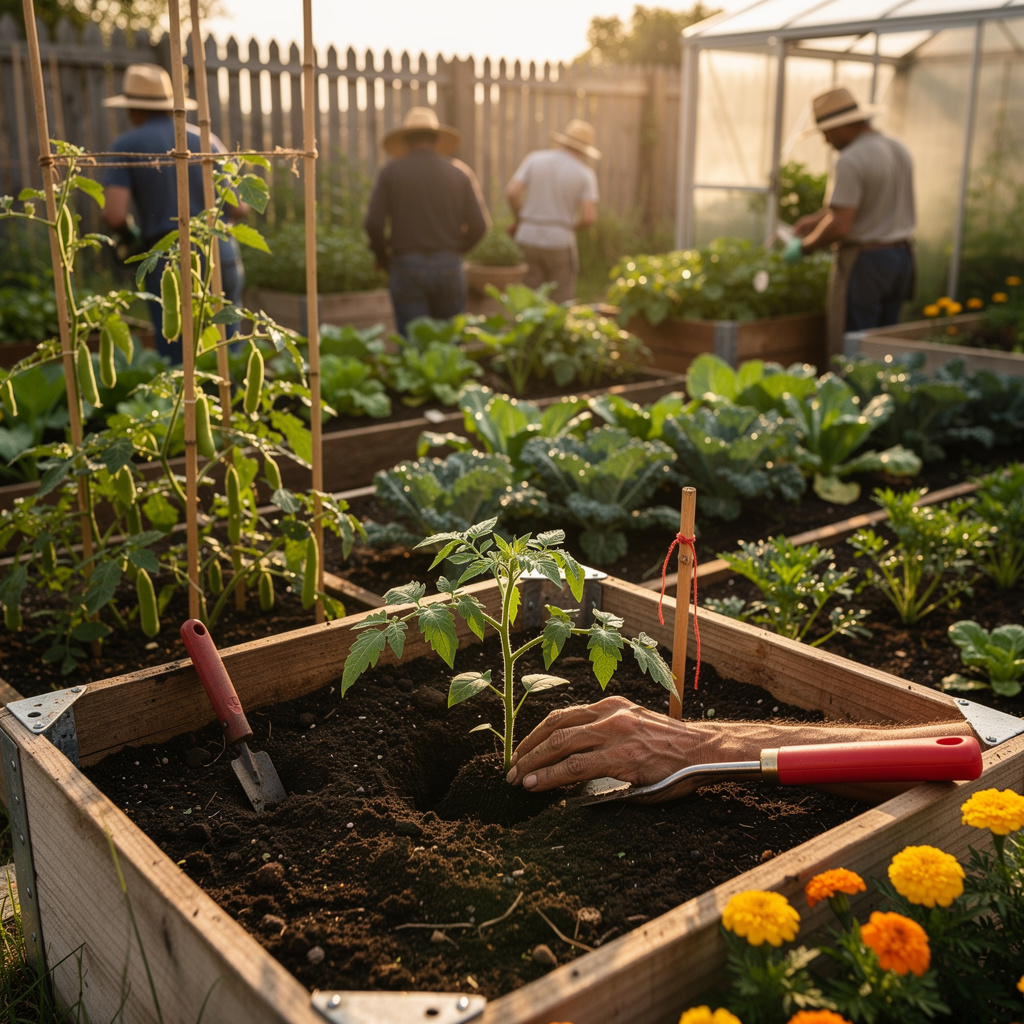
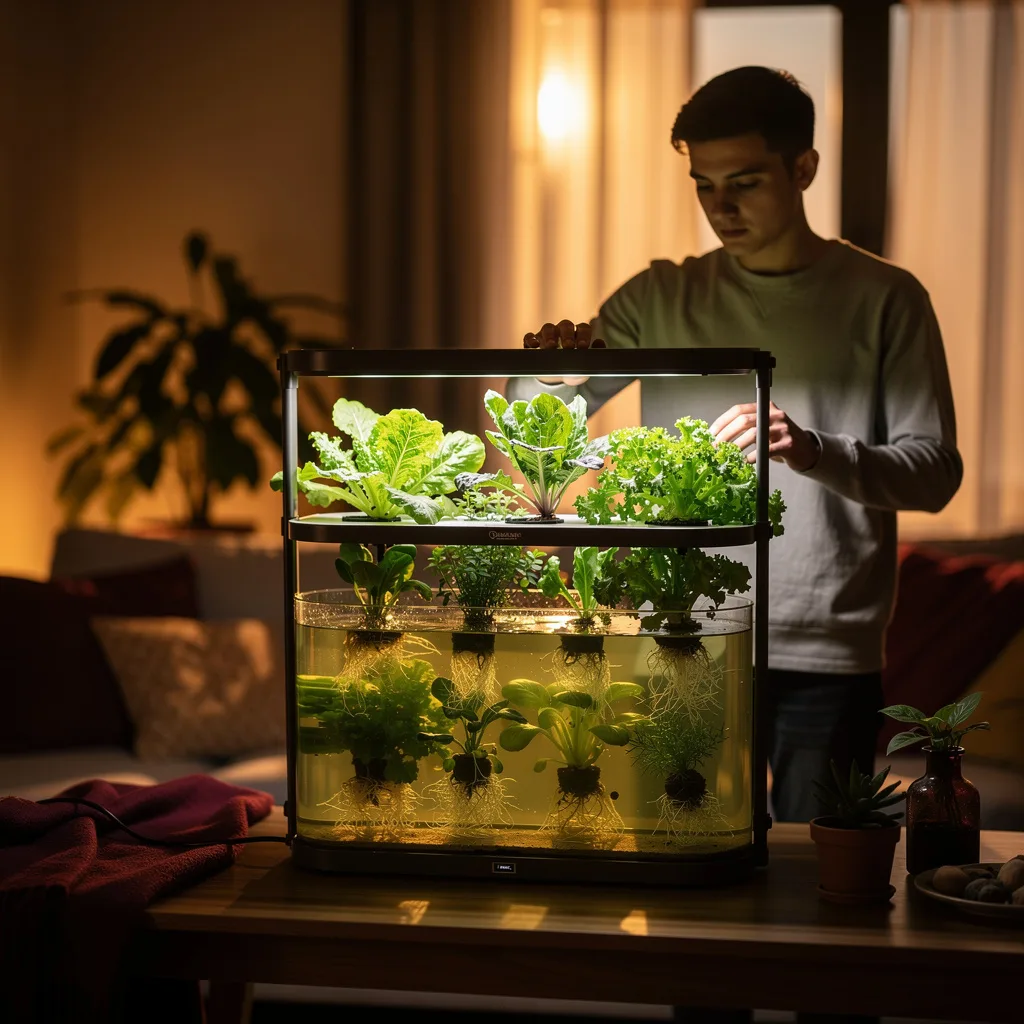
Starting seeds indoors is the controlled propagation of plants from seed in protected environments—such as windowsills, grow racks, greenhouses, or growth chambers—before seedlings are moved outdoors. Its scope spans vegetables, herbs, flowers, native plants, and woody species, and its core concepts include seed viability and quality, dormancy and pre-treatment, germination requirements, growing media, container choice, sanitation, moisture and temperature control, light management, and hardening off. Practitioners must understand how water, oxygen, temperature, and light interact during germination and early growth, because small imbalances can cause poor emergence, leggy seedlings, damping-off, or transplant shock. The subject therefore combines plant physiology, environmental monitoring, material selection, and scheduling judgment rather than merely placing seeds in soil.
Starting seeds indoors matters today because it supports food resilience, season extension, cultivar preservation, and local food production in households, community gardens, small farms, nurseries, and controlled environment agriculture. Growers use it to synchronize transplant timing with field conditions, reduce dependence on purchased starts, preserve heirloom and regionally adapted varieties, and produce native plants for restoration and pollinator projects. Recent shifts include wider adoption of LED grow lights, heat mats, soil-blocking, renewable and peat-reduced media, inexpensive environmental sensors, and recordkeeping tools that make indoor propagation more precise and accessible. Seed supply disruptions and climate variability have also pushed growers toward greater self-reliance in propagation, while horticulture programs and extension services increasingly emphasize sanitation, energy efficiency, and evidence-based seedling care.
Mastering this subject builds a practical skill stack that includes seed-quality assessment, dormancy breaking, environmental monitoring, sanitation protocols, crop scheduling, problem diagnosis, and careful recordkeeping. These capabilities matter in professional contexts such as market gardening, nursery and greenhouse work, landscape design, extension education, urban agriculture, and conservation planting, where uniform, healthy transplants reduce risk and improve planning. In personal and community settings, the same skills support reliable home food production, seed saving, school and community garden projects, and more resilient local plant networks. The subject ultimately trains judgment—knowing when to sow, when to adjust temperature or moisture, when to pot up, and when plants are ready for the outdoors—rather than offering a single fixed recipe.
What Will This Course Bring You?
- Design a seed-starting timeline that aligns crop schedules, indoor space, and target transplant dates to meet defined gardening goals.
- Analyze seed anatomy, germination triggers, and dormancy mechanisms to determine appropriate pre-treatment methods for specific seed types.
- Evaluate seed varieties and suppliers using criteria such as germination rates, vigor, disease resistance, and regional suitability.
- Build an indoor growing environment that integrates lighting, temperature, airflow, and sanitation practices for healthy germination.
- Apply proper sowing depth, spacing, and moisture management techniques while monitoring germination progress and correcting early problems.
- Implement watering, feeding, and damping-off prevention strategies that support strong seedling growth and root development.
- Assess seedling readiness to pot up and transplant, then execute hardening-off procedures that prepare plants for outdoor conditions.
- Develop a troubleshooting and continuous planning schedule that anticipates crop rotations and resolves common seed-starting failures.
Curriculum
12 Units1. Benefits, Timeline Planning, and Goal Setting
1 hour
2. Seed Anatomy, Germination Triggers, and Dormancy
1 hour
3. Selecting Varieties, Seed Quality, and Sourcing
1 hour
4. Designing the Indoor Growing Environment
1 hour
5. Seed Starting Mixes, Containers, and Sanitation
1 hour
6. Sowing Depth, Spacing, and Seed Pre-Treatment
1 hour
7. Managing Moisture, Warmth, and Germination Checks
1 hour
8. Light and Temperature for Emerging Seedlings
1 hour
9. Watering, Feeding, and Damping-Off Prevention
1 hour
10. Potting Up, Root Development, and Transplant Readiness
1 hour
11. Hardening Off and Moving Plants Outdoors
1 hour
12. Crop Schedules, Troubleshooting, and Continuous Planning
1 hour
Exam – Starting Seeds Indoors
20 Questions • 70% Pass • 30 min
Unlock All Units for Free
Create an account, enroll in the course, and start with the first unit right away.
Exam – Starting Seeds Indoors
20 Questions • Pass: 70% • 30 min
Course Duration
720
Total Minutes
12
Unit
1
Final Exam
~60
Min / Unit
Starting Seeds Indoors Certificate Program
Document Your Skill
Those who pass the 20-question, 30-minute exam with 70% receive the Starting Seeds Indoors Certificate.
Stand Out on Your CV
By adding your certificate to your CV, gain a professional reference in job applications and stand out from the crowd.
Career Advantage
With the verification code, employers can check your certificate instantly — a concrete way to show your growth.
CERTIFICATE FEE
At the end of the course, an online exam consisting of 20 questions with a 30-minute time limit is given. The exam appears automatically after you complete the topics. Anyone who scores at least 70 out of 100 on the certificate exam is awarded the Starting Seeds Indoors Document (certificate of attendance). You can add the certificate you earn to your CV for job applications in the many sectors listed above, and use it as a reference proving that you took this interactive course.
The Certificate of Achievement you receive with the Starting Seeds Indoors course program holds value that proves your personal and professional development in the business world. By adding it to your CV, it can serve as an important reference in your job applications. Moreover, compared with certificates from other private training institutions, Catch Wisdom certificates are offered to our participants at a much more affordable price.
The Starting Seeds Indoors course certificate is a document that proves, with a unique verification code, that you completed the course. Employers can instantly check its authenticity with this code, which helps you show your development concretely in your job applications.
For more information, we recommend visiting the Support page.
Certificate in 7 Languages
Earning success certificates from our courses is now more meaningful and global. With certificates available in Turkish, English, German, French, Spanish, Arabic, and Russian, we fully unlock the potential of students worldwide.
Why Certificate in 7 Languages?
-
01
Global Skill Development
Receiving your certificates in 7 different languages strengthens your communication skills as you engage with more people worldwide. It lets you operate more confidently and capably on the international stage.
-
02
International Job Opportunities
Employers may see your certificates in multiple languages as a sign of your ability to seize global opportunities. You can open more doors to new jobs and projects.
-
03
Cultural Richness
The chance to earn certificates in different languages helps you build closer ties with various cultures and broadens your worldview. It enriches your global perspective and deepens cultural understanding.
-
04
Ability to Participate in International Projects
Multilingual certificates give you an edge to work more effectively on international projects. They boost your chances of leadership and participation in diverse projects in the business world.
-
05
Prove Yourself on the Global Stage
Certificates in multiple languages give you the opportunity to present your skills and knowledge worldwide.
Language diversity opens worldwide opportunities. If you want to prove yourself in the international arena, join our online Starting Seeds Indoors course program and begin this journey with us.
Frequently Asked Questions (FAQ)
Is this course paid?
How do I join the course?
Can I take the course at my own pace?
How can I get my certificate?
What are the advantages of the certificate?
Boost Your Career
Take a new career step with the Starting Seeds Indoors course. Add your certificate to your CV, stand out in job applications, and open the door to new opportunities in the industry.
StartStudent Reviews
No reviews yet
Enroll in this course and be the first to leave a review about your experience with Starting Seeds Indoors.
Start